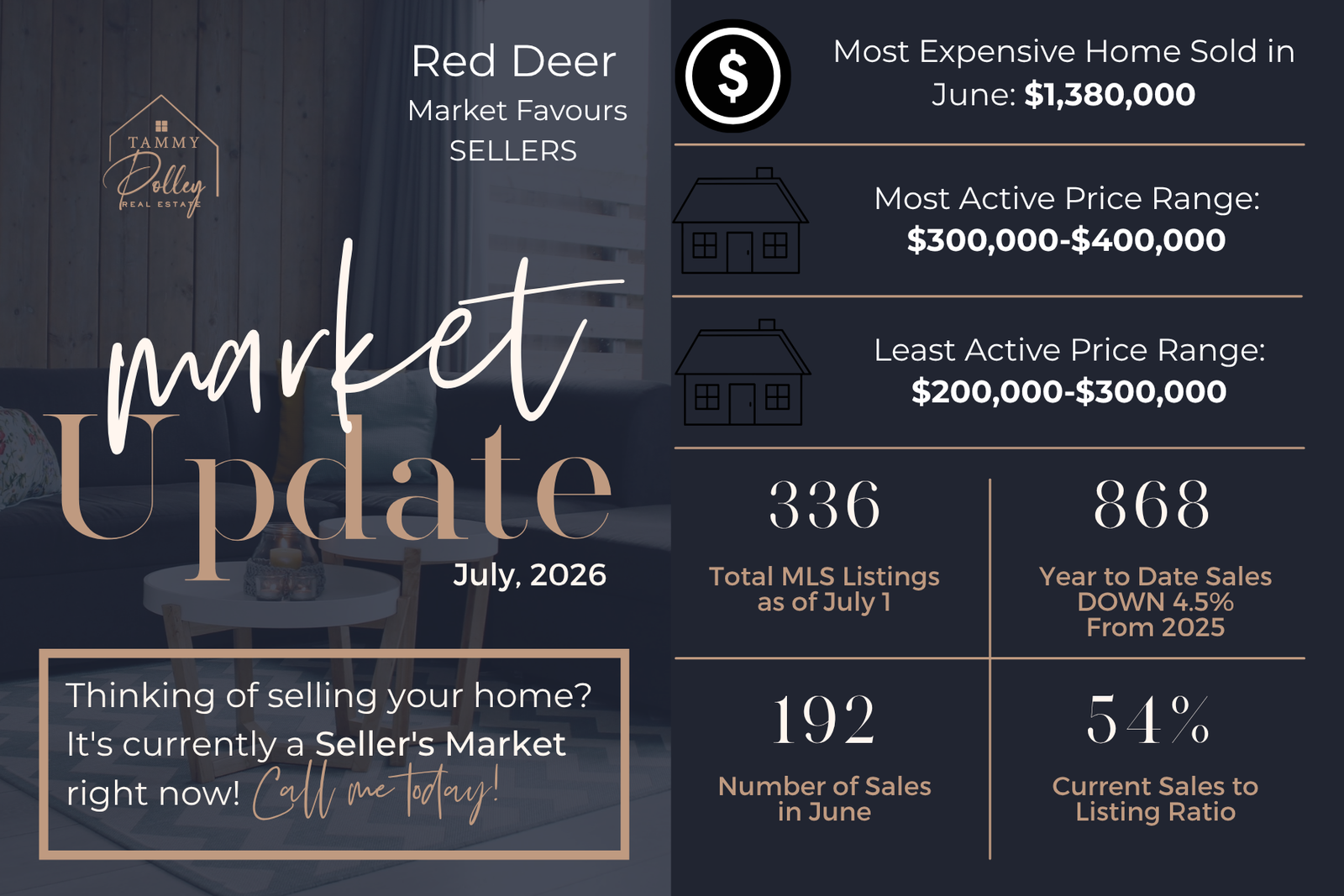
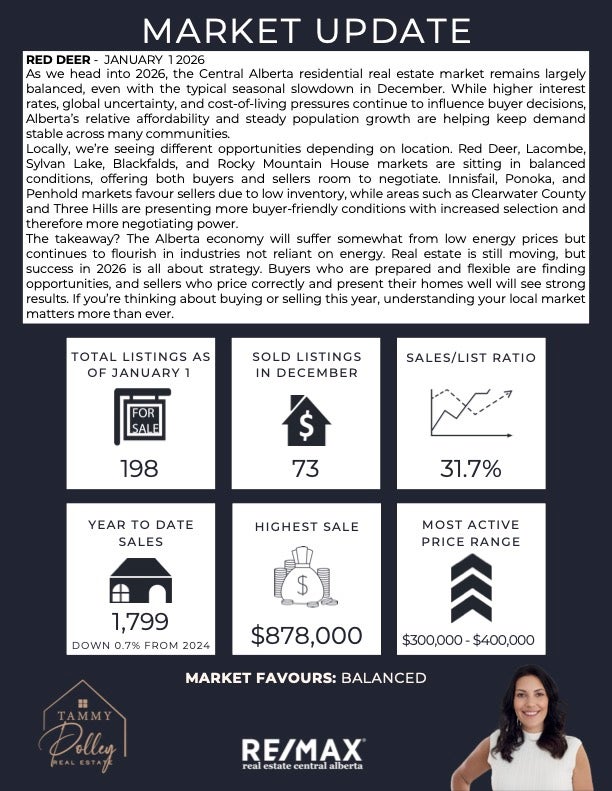
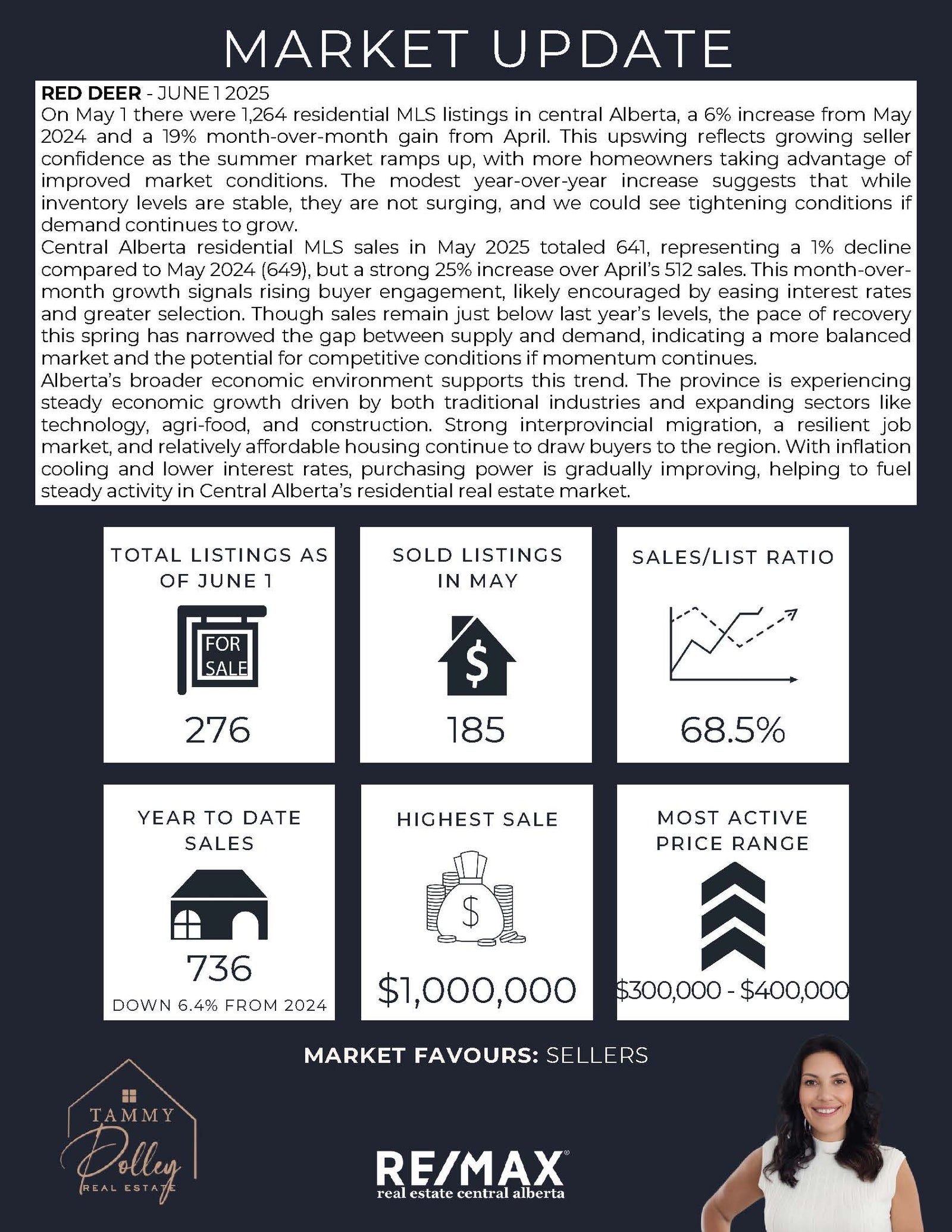
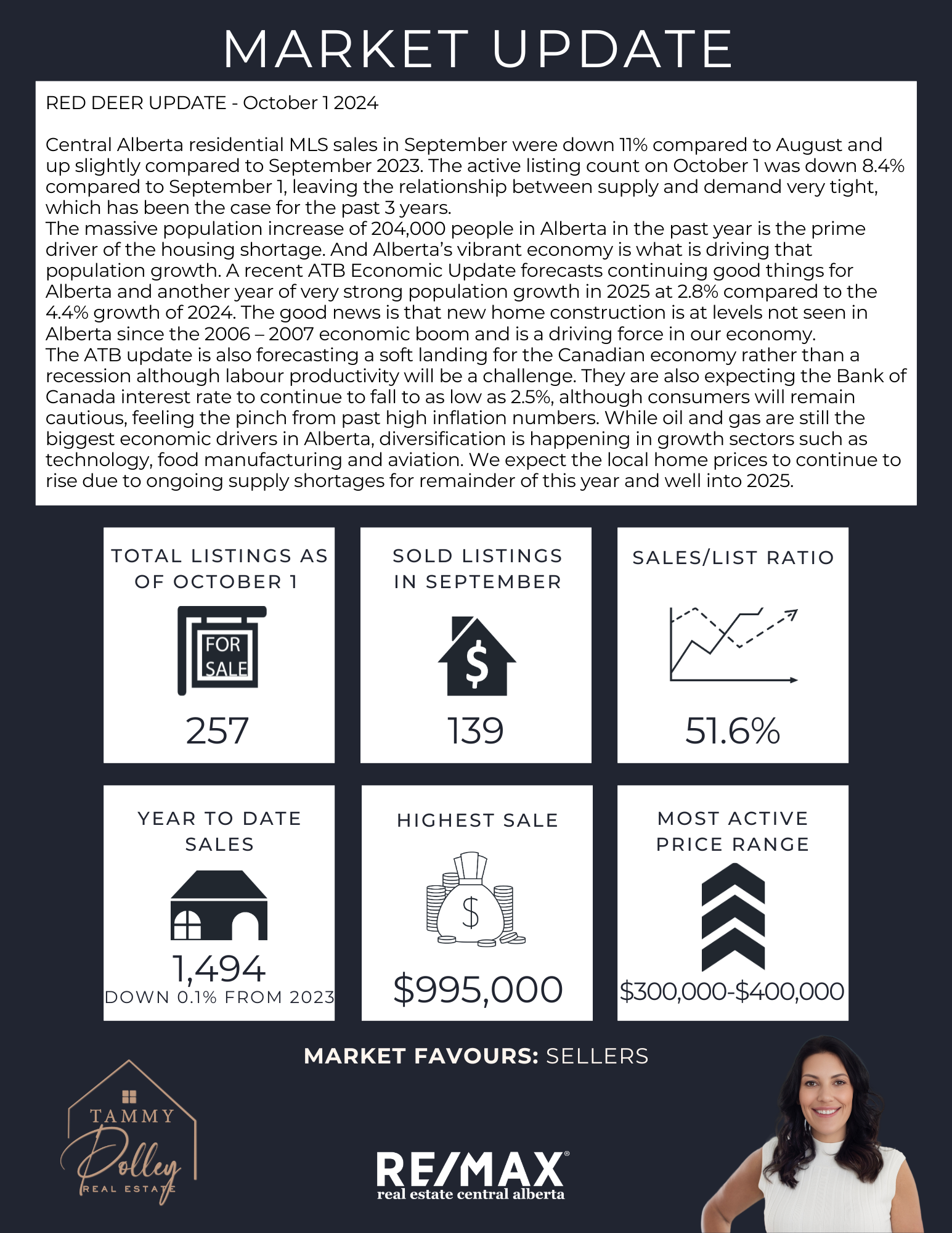
Central Alberta entered July with 1,522 homes on the market — the most inventory we have seen in over a year and up about 8 per cent from last July. Listings have climbed steadily since a January low of 848, so buyers now have noticeably more selection than at any point since last summer. Importantly, buyer activity has kept pace with that added supply: 560 homes sold across the region in June, virtually identical to the 559 sold in June of last year.
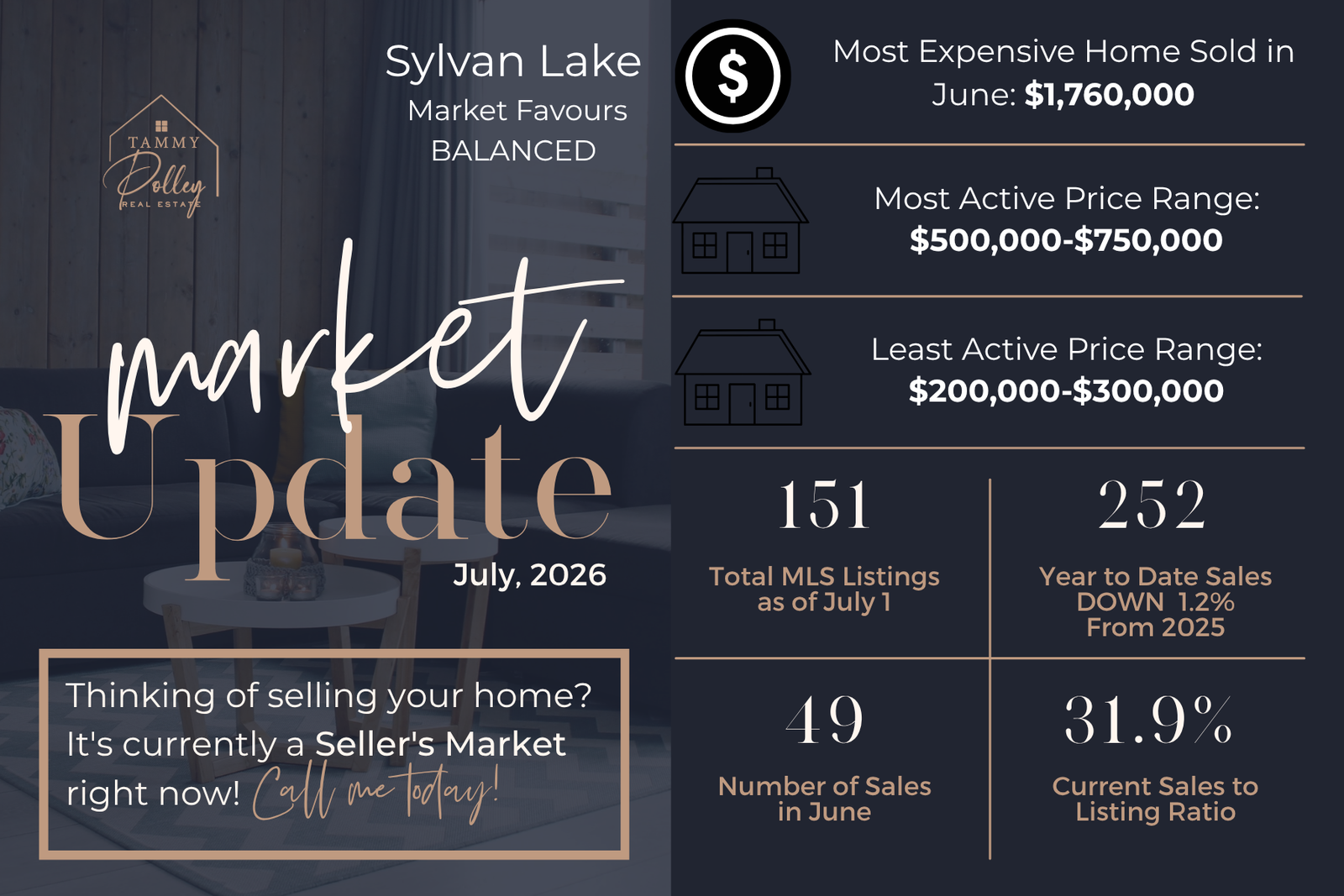
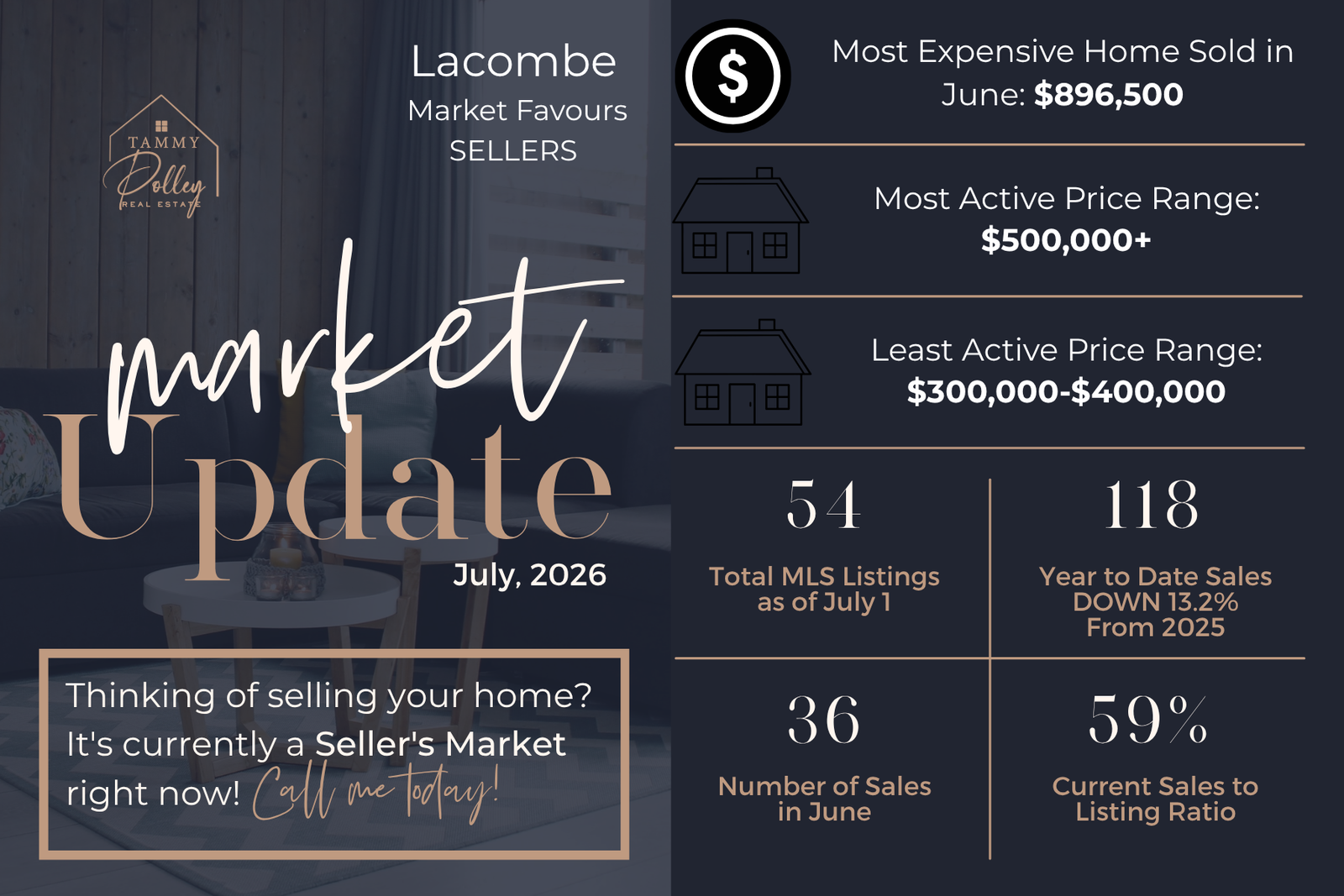
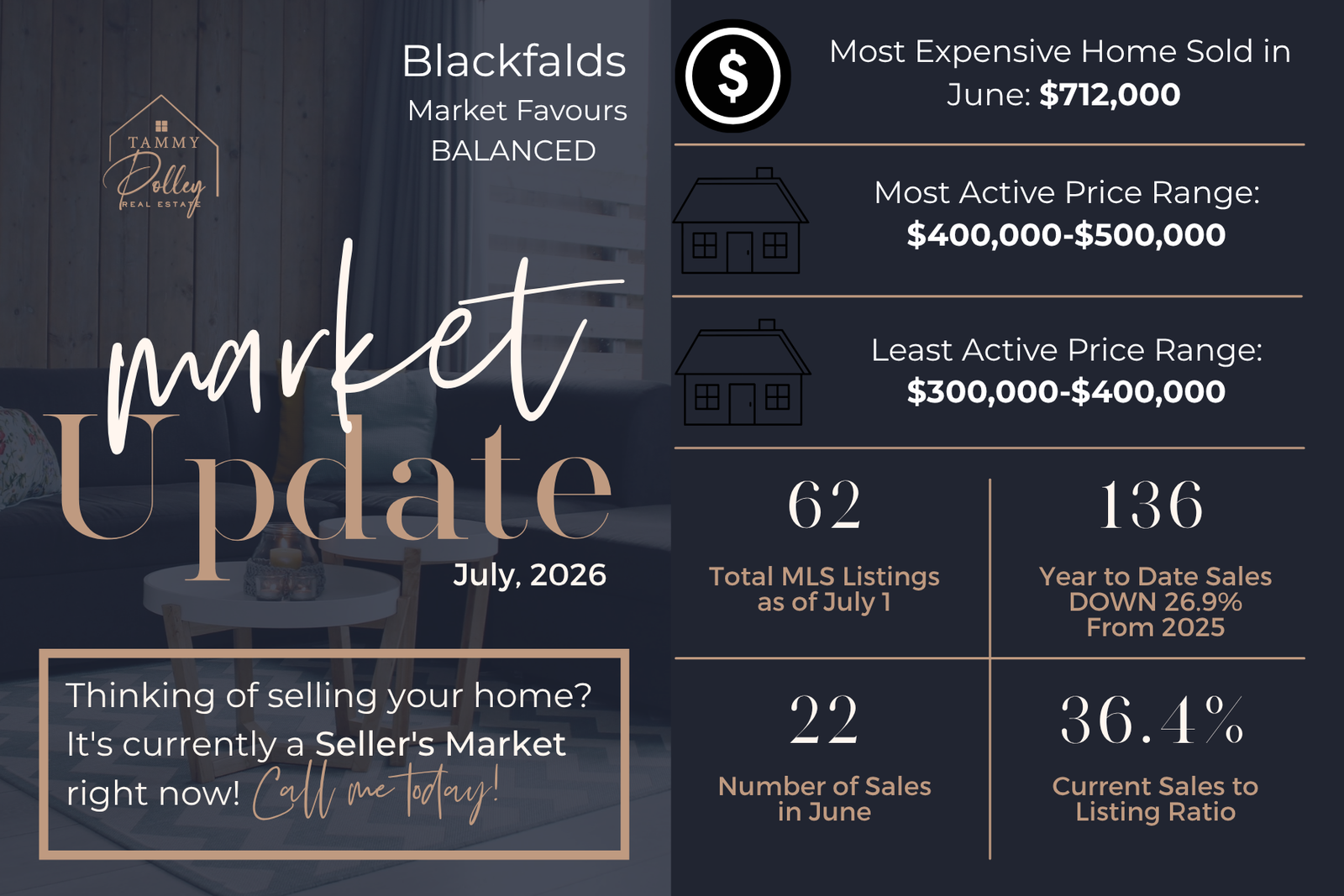
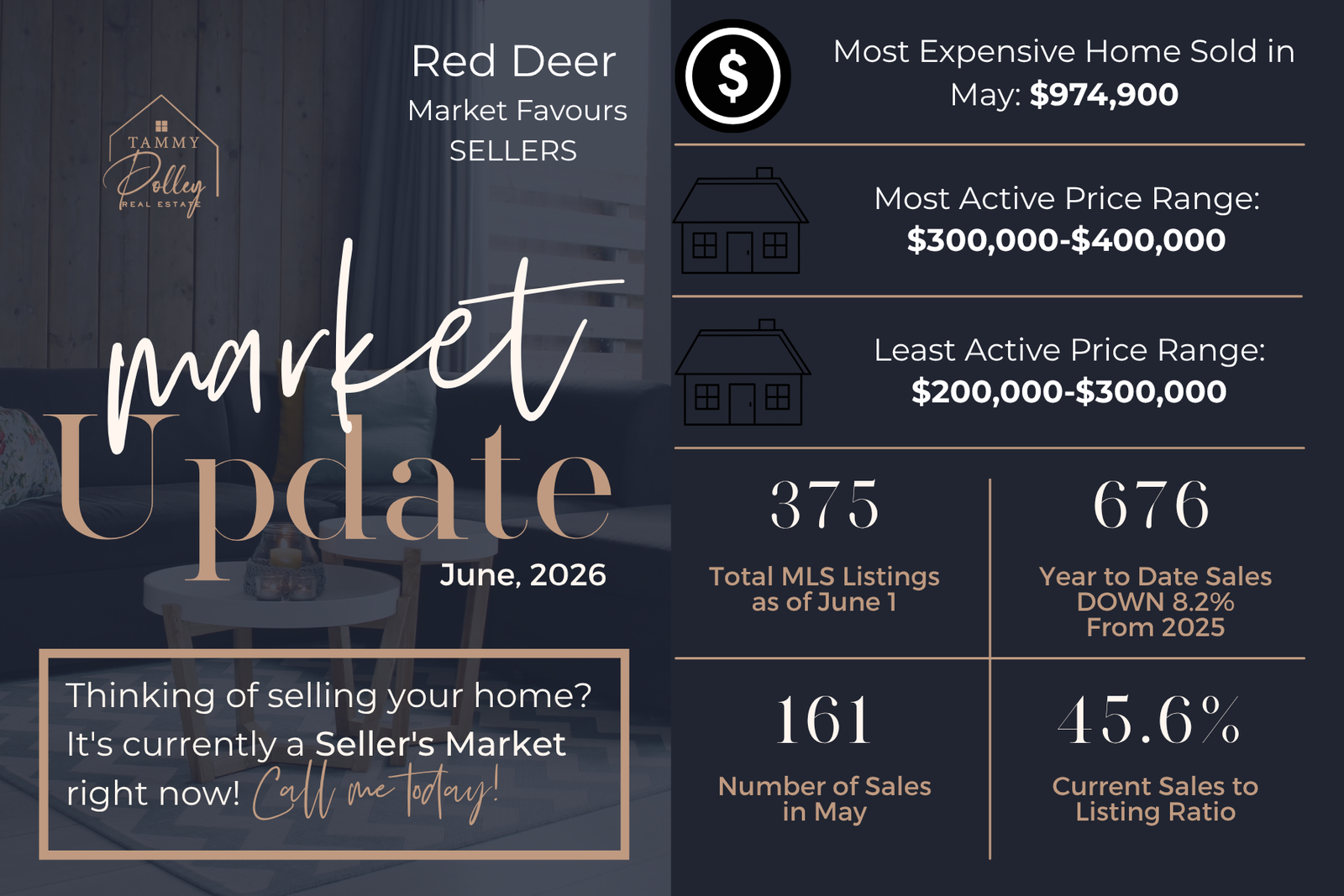
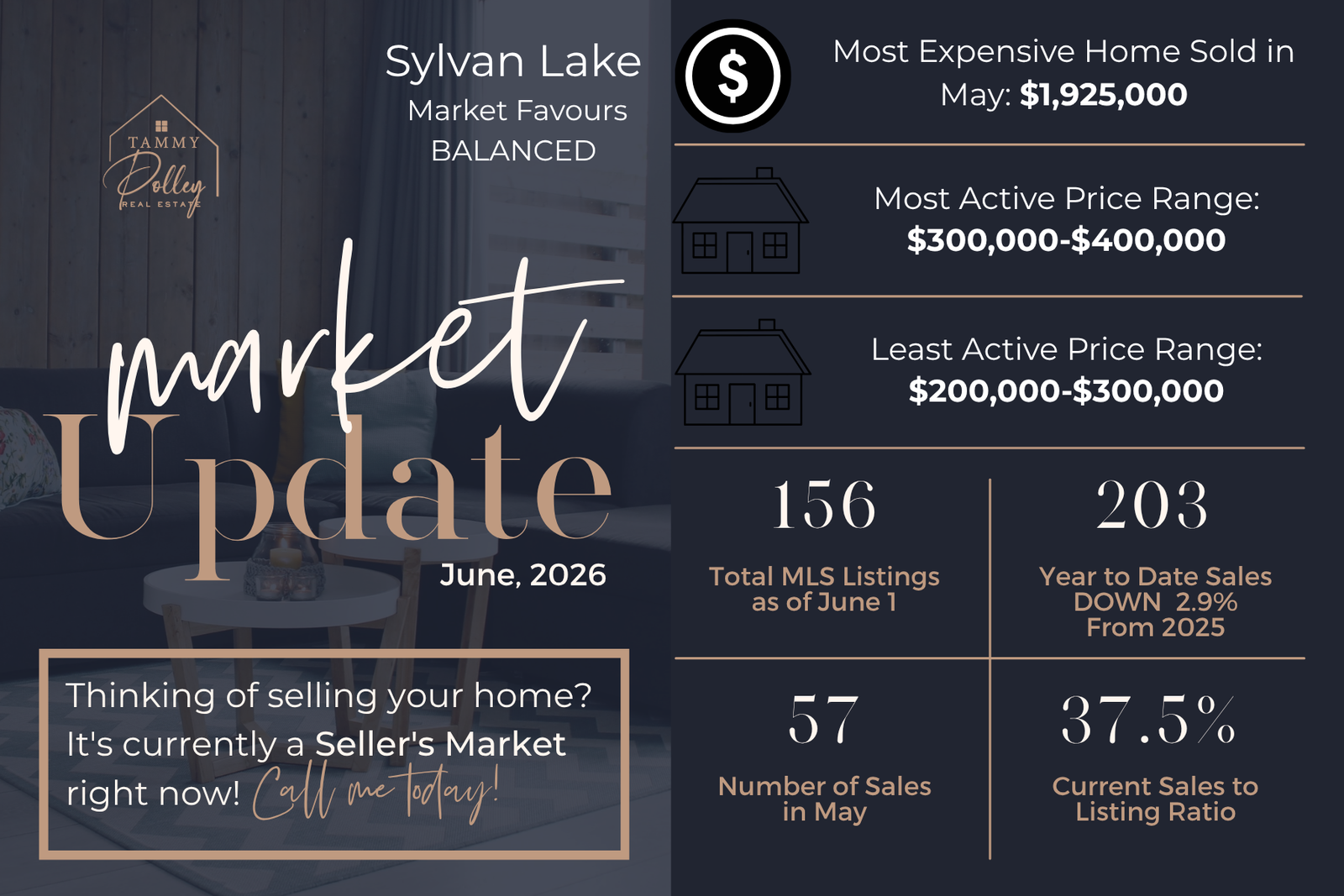
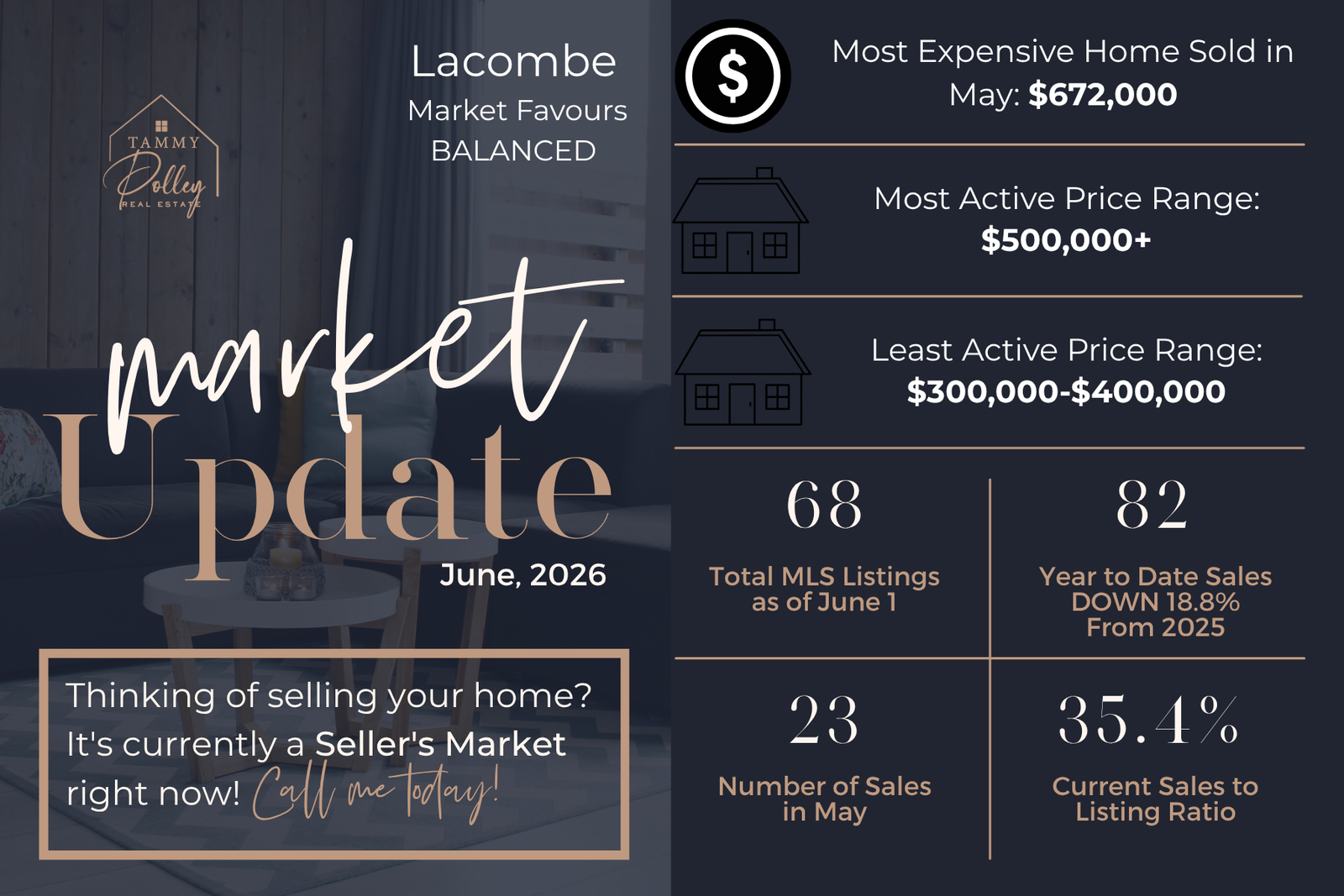
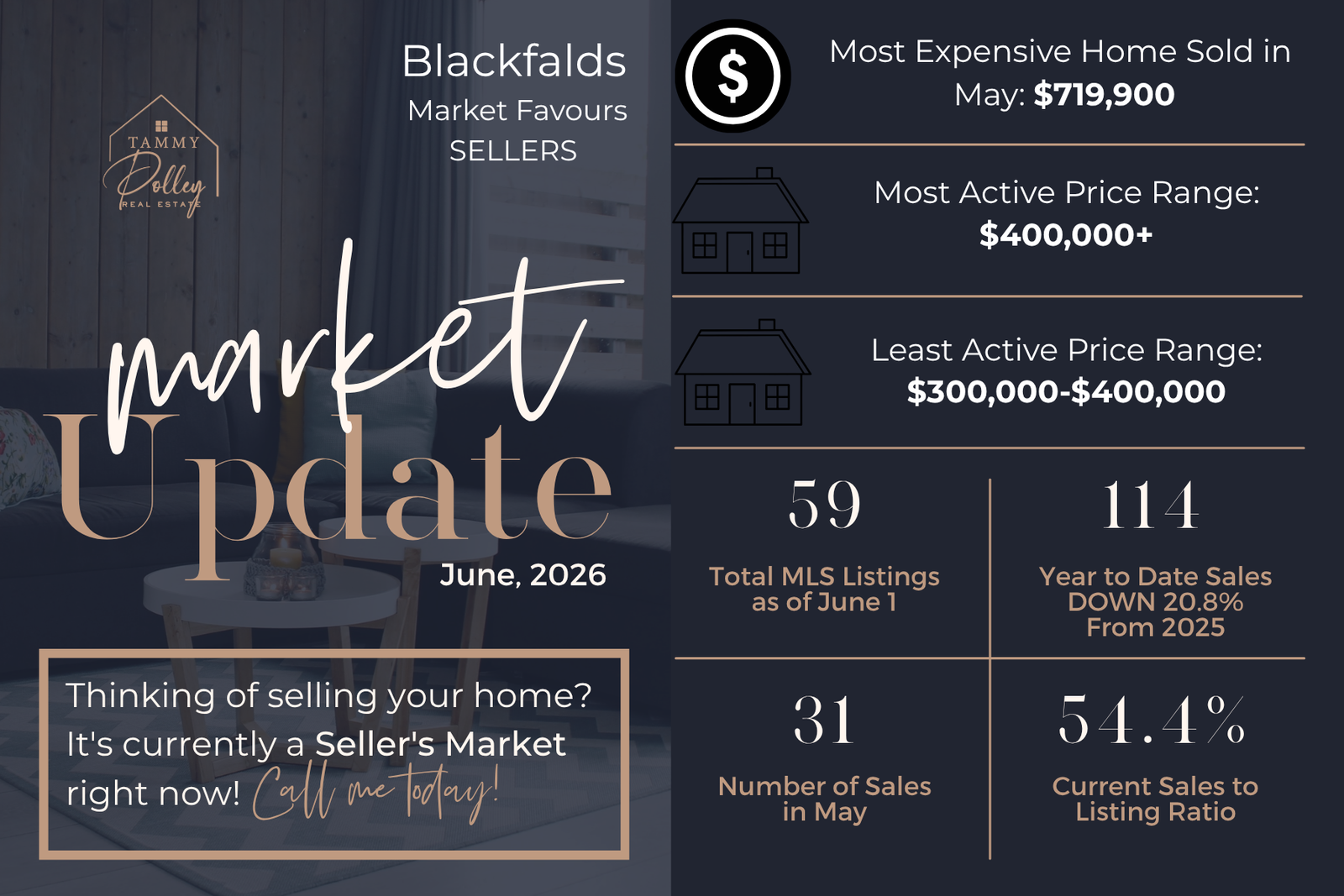
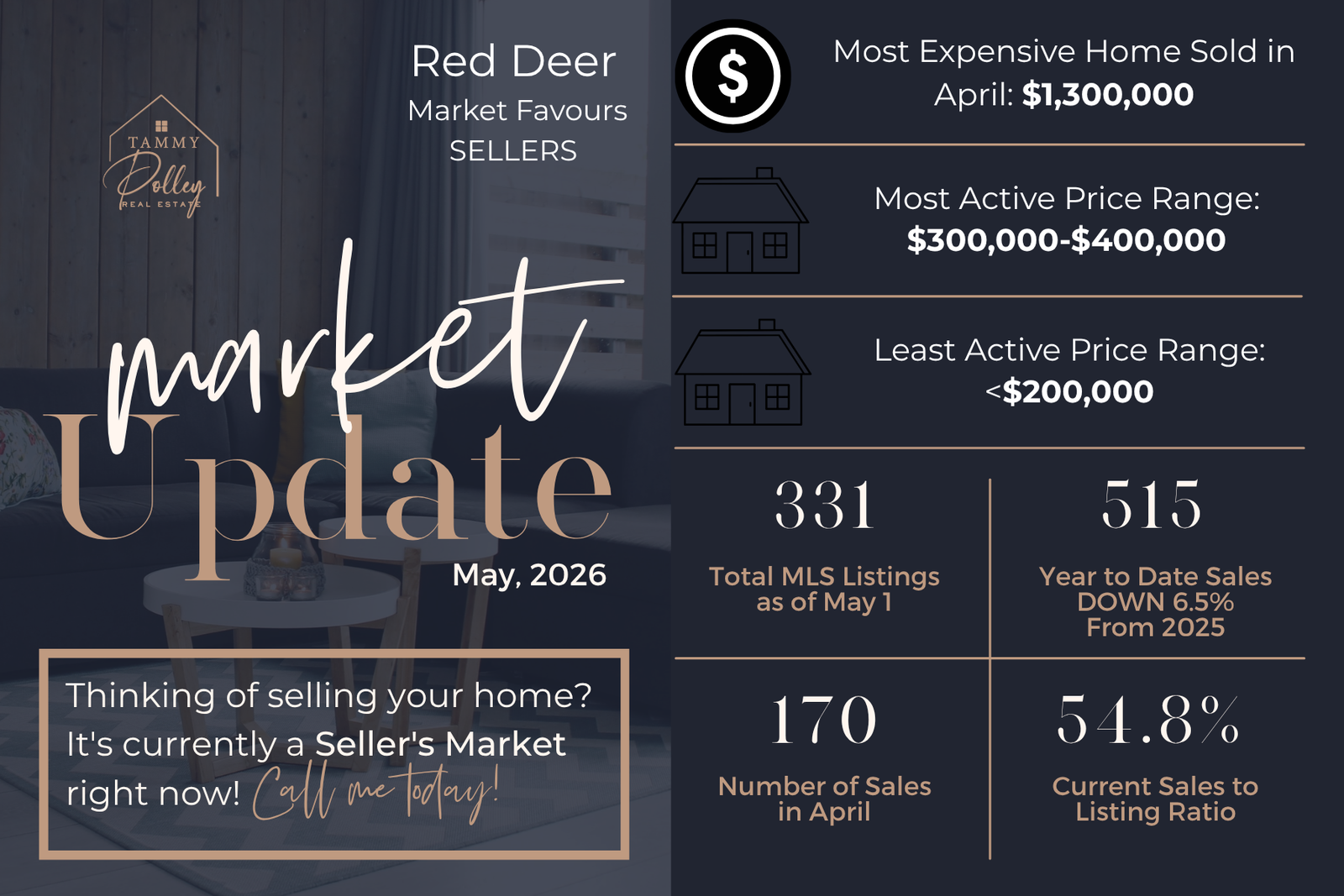
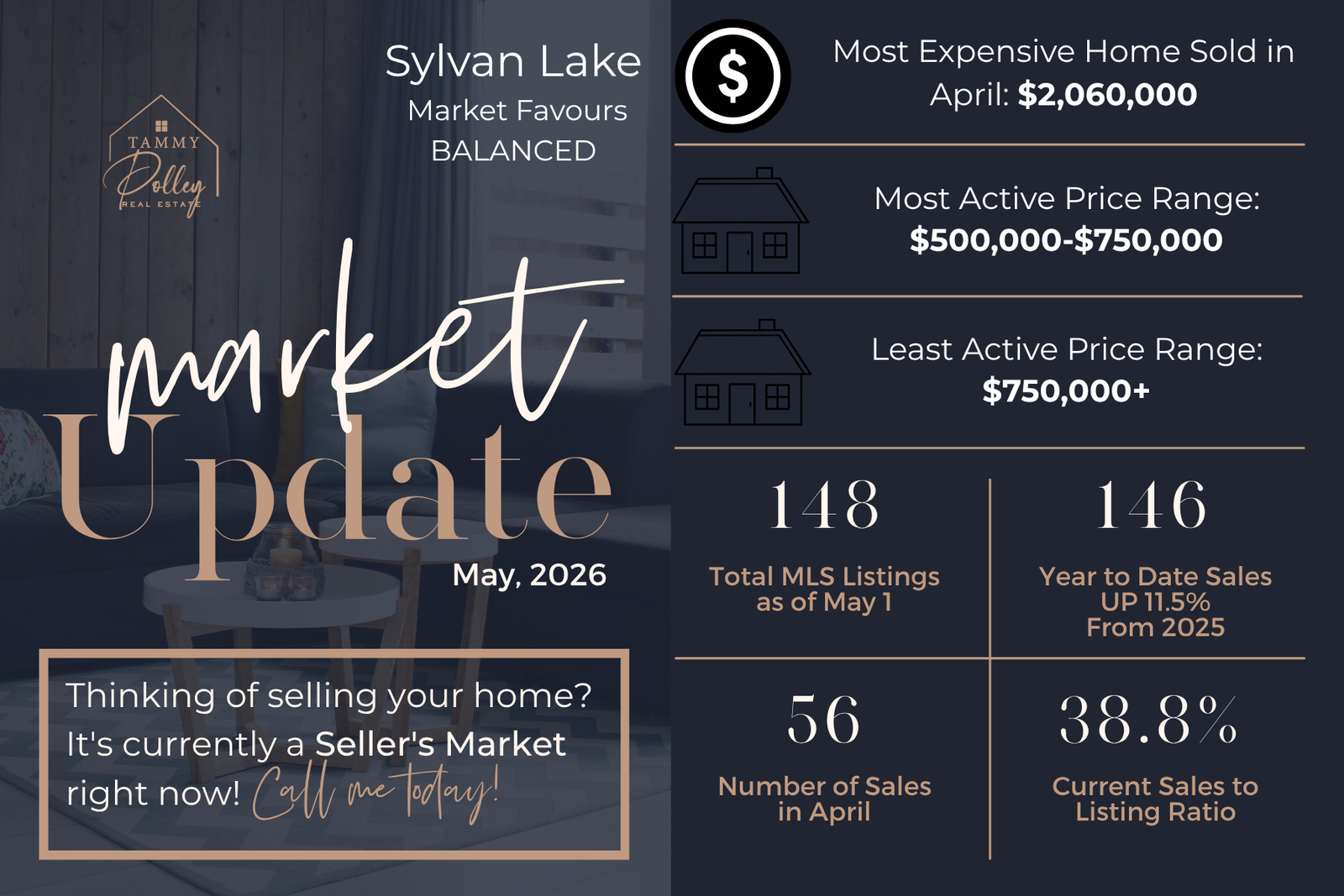
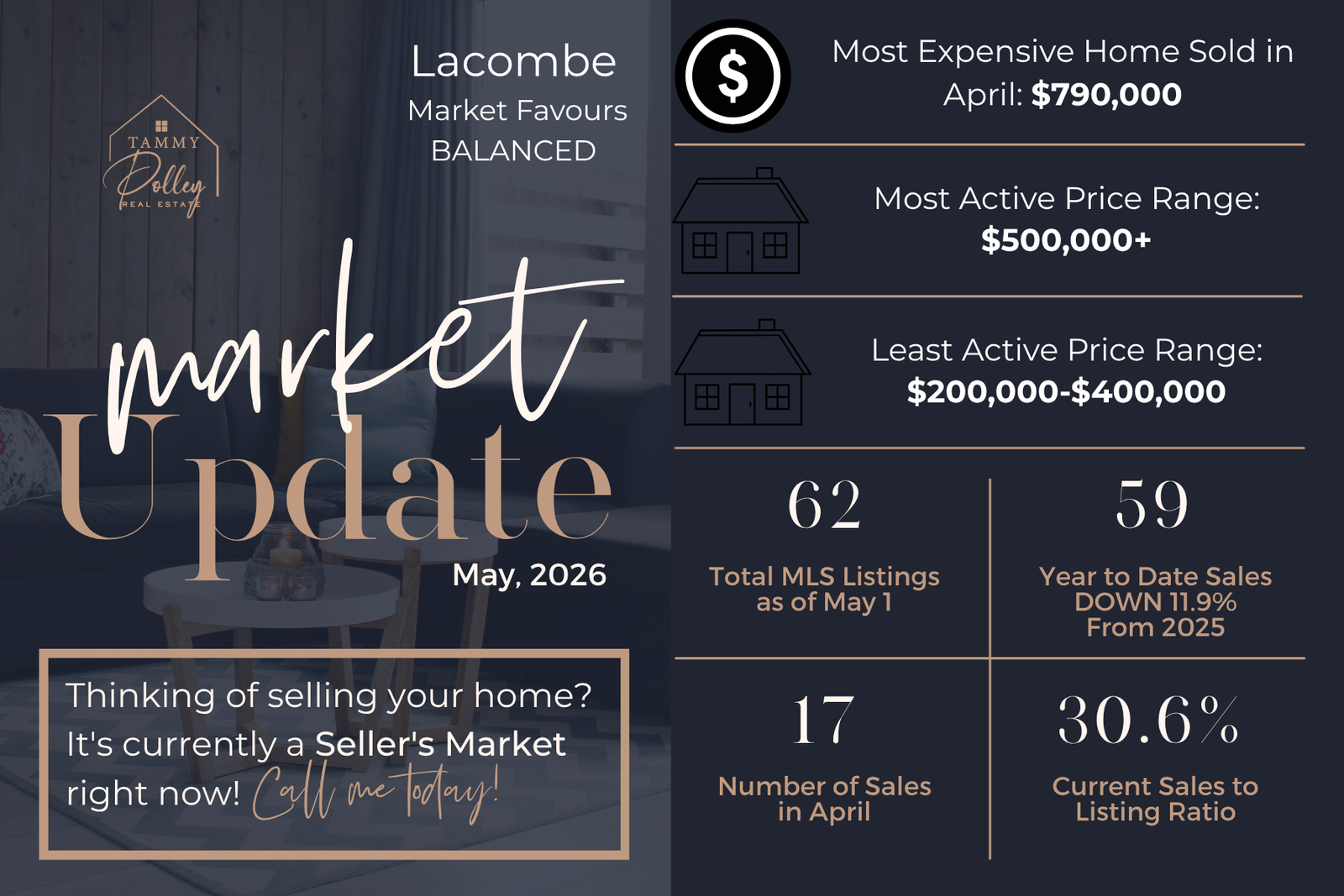
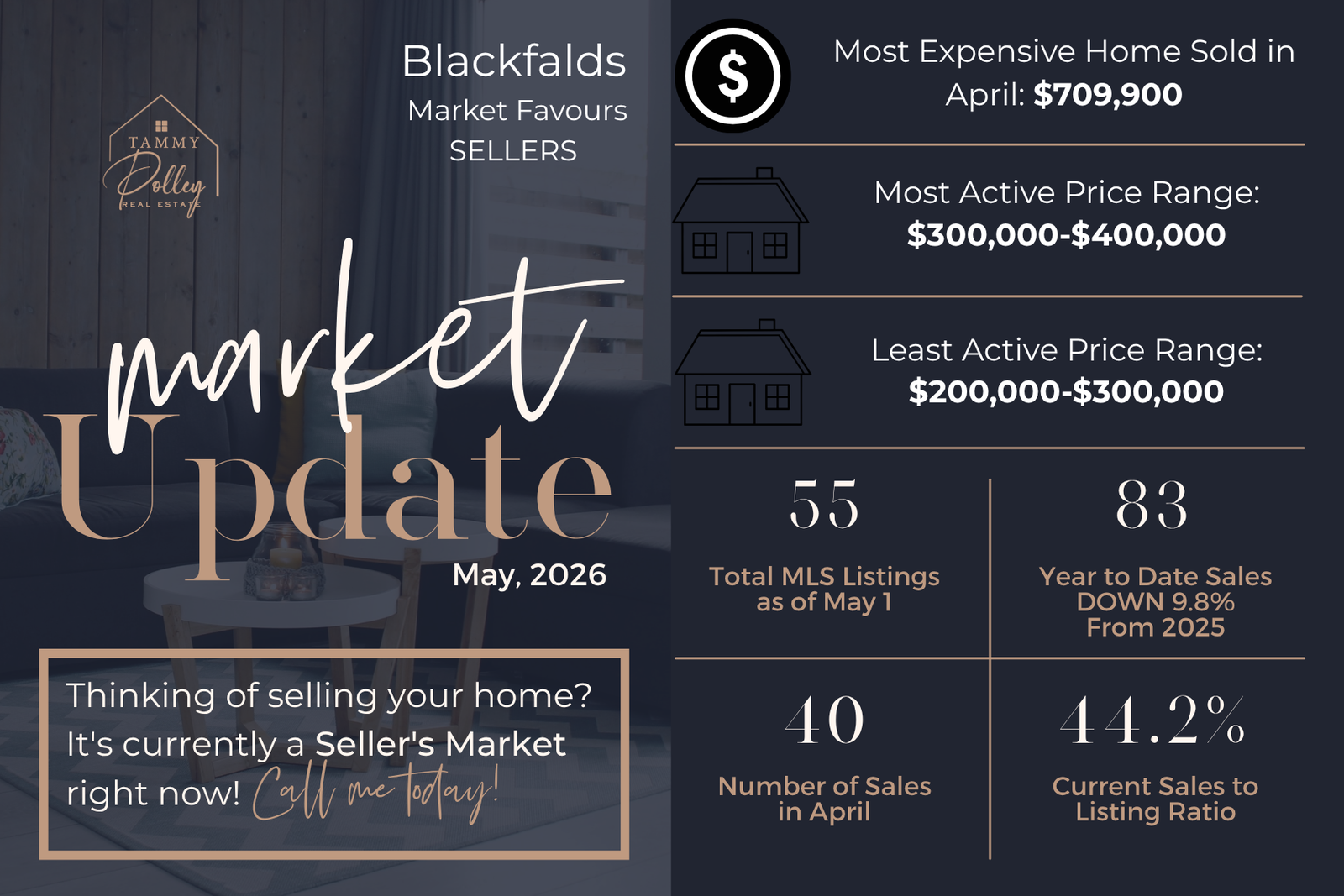
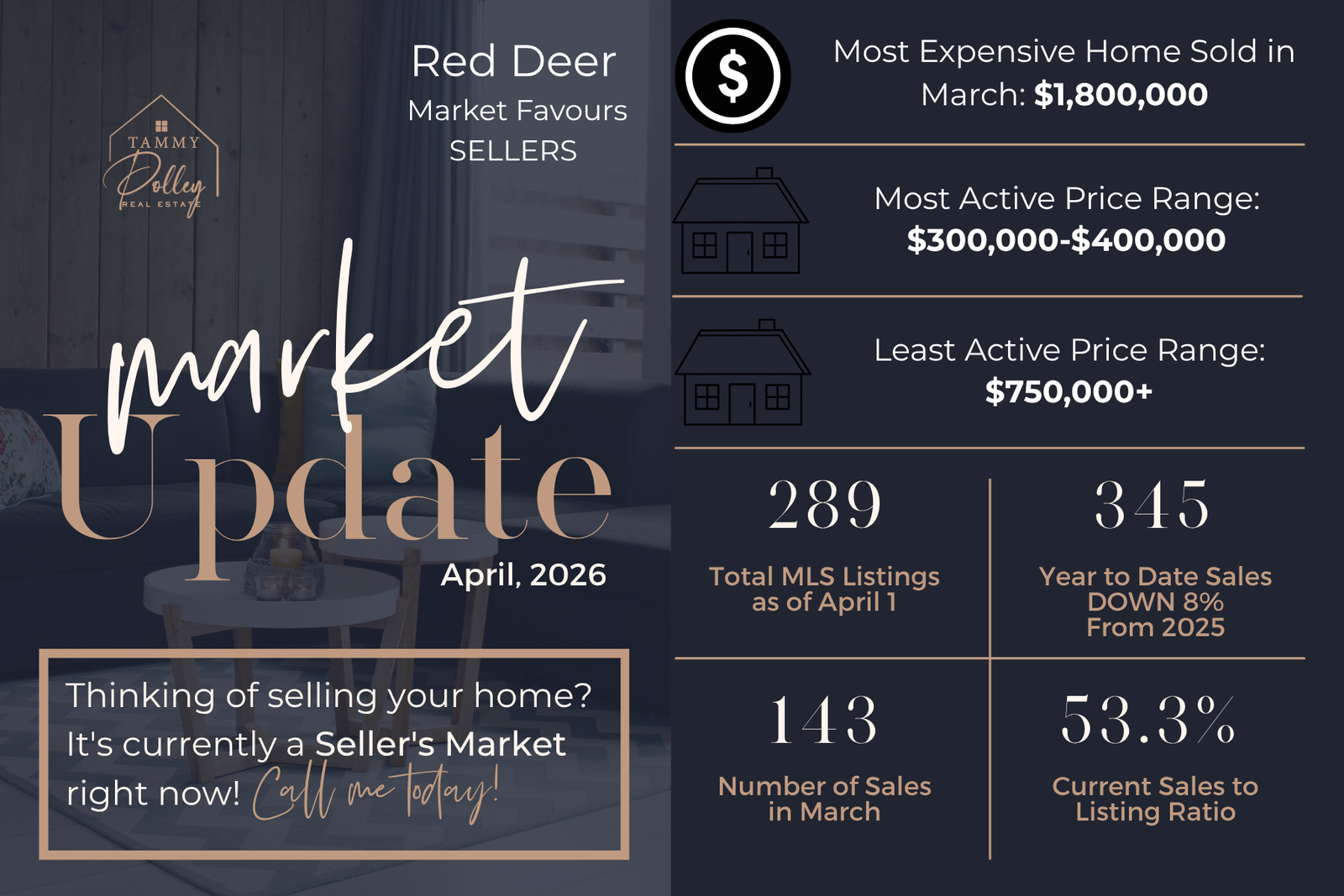
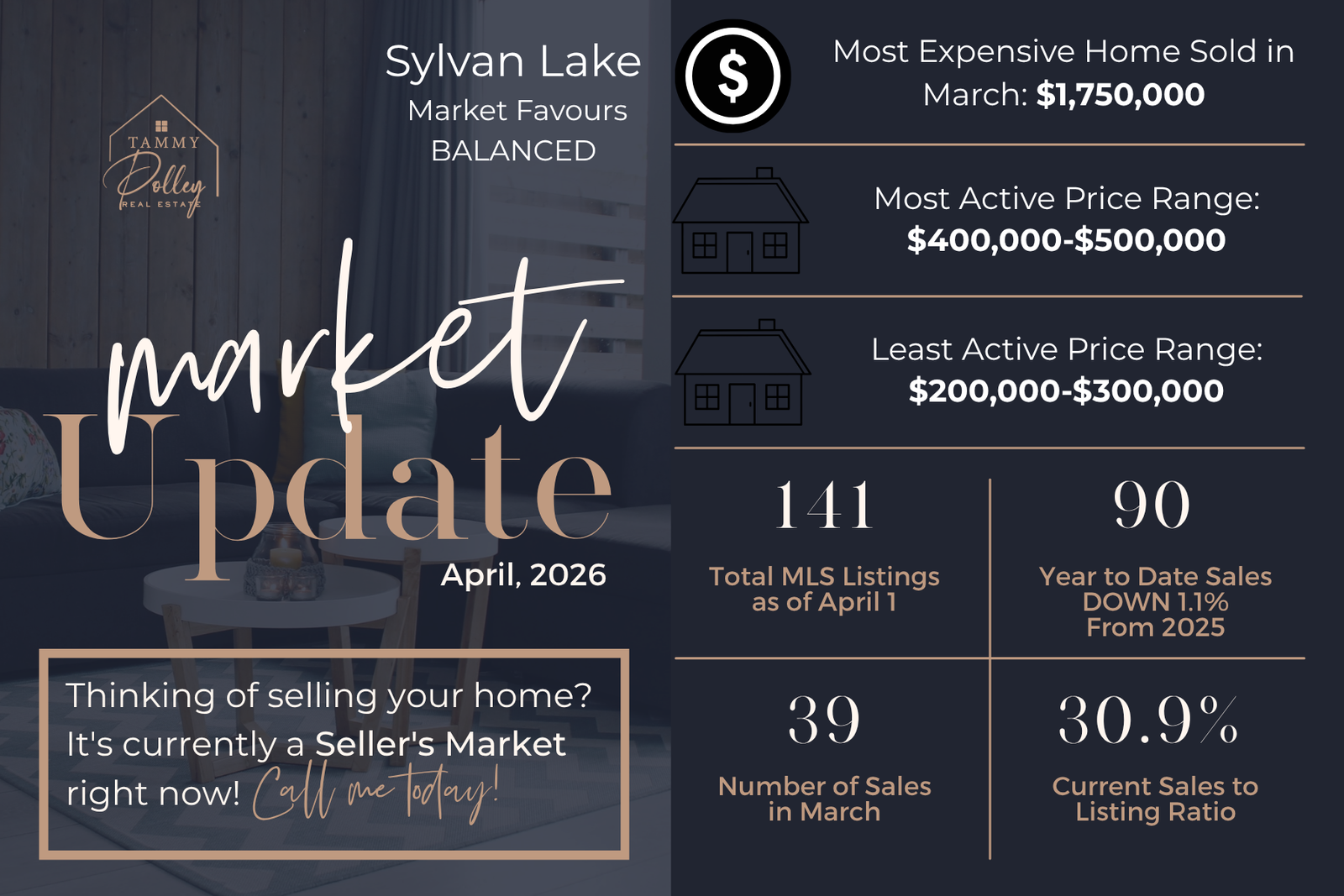
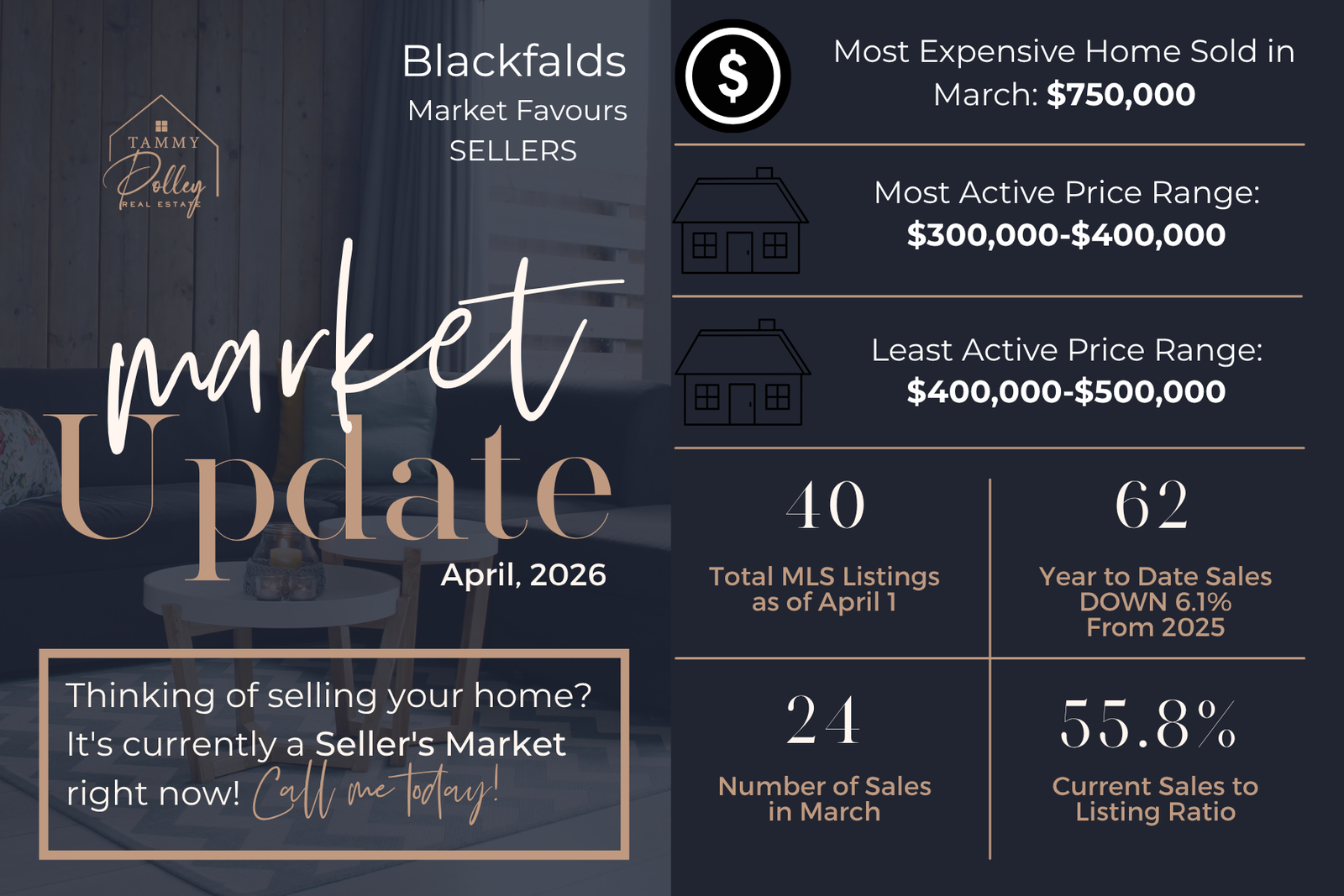
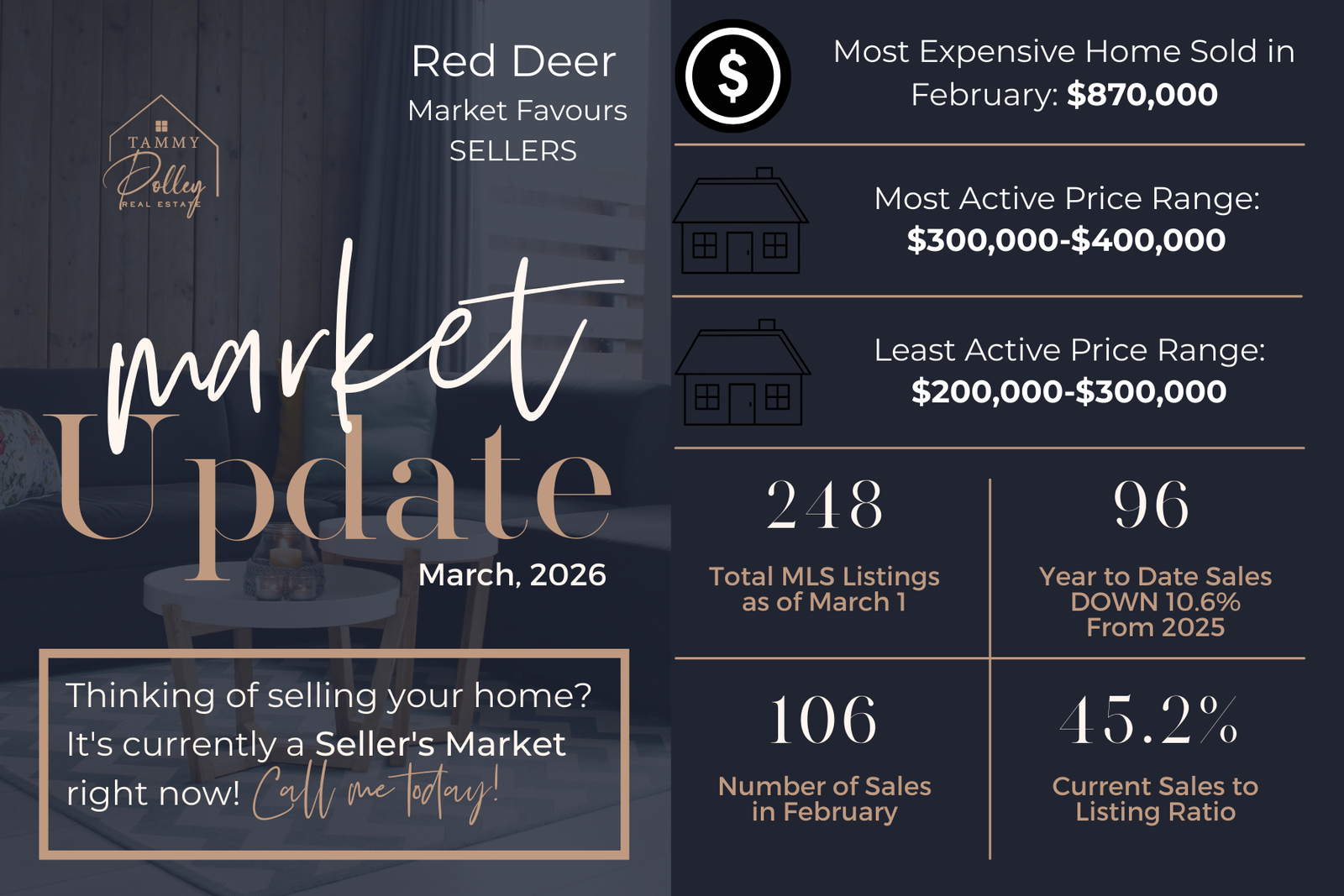
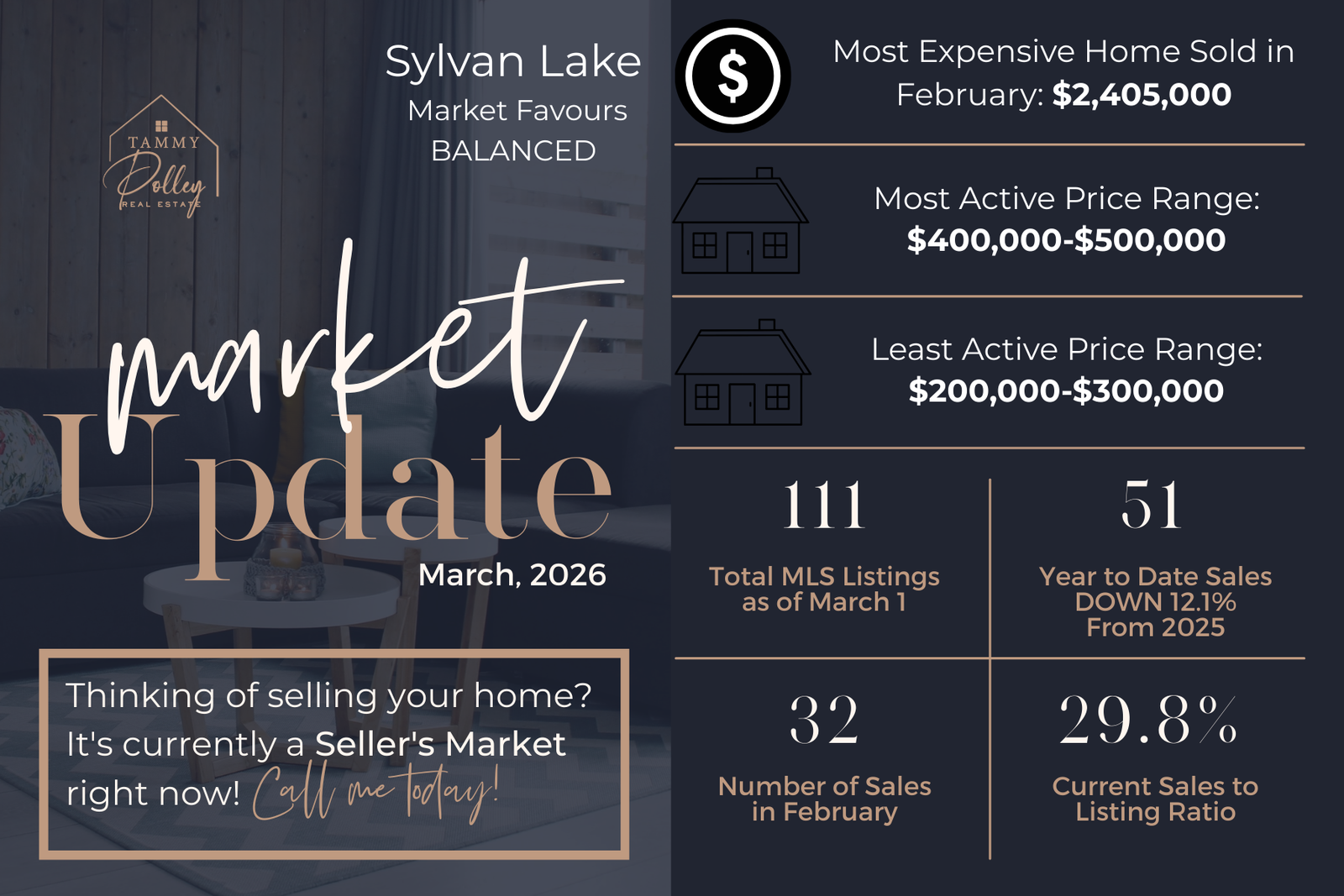
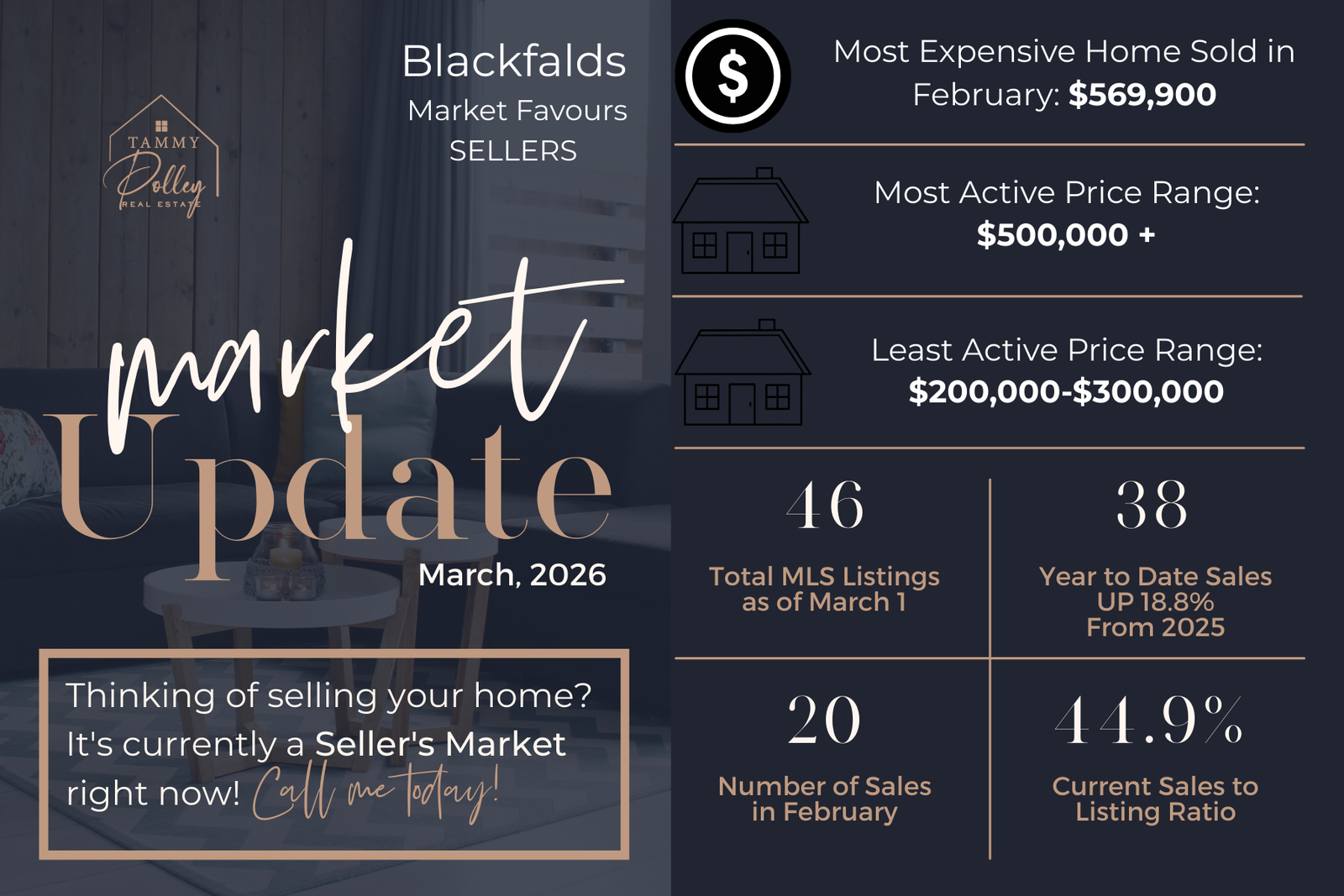
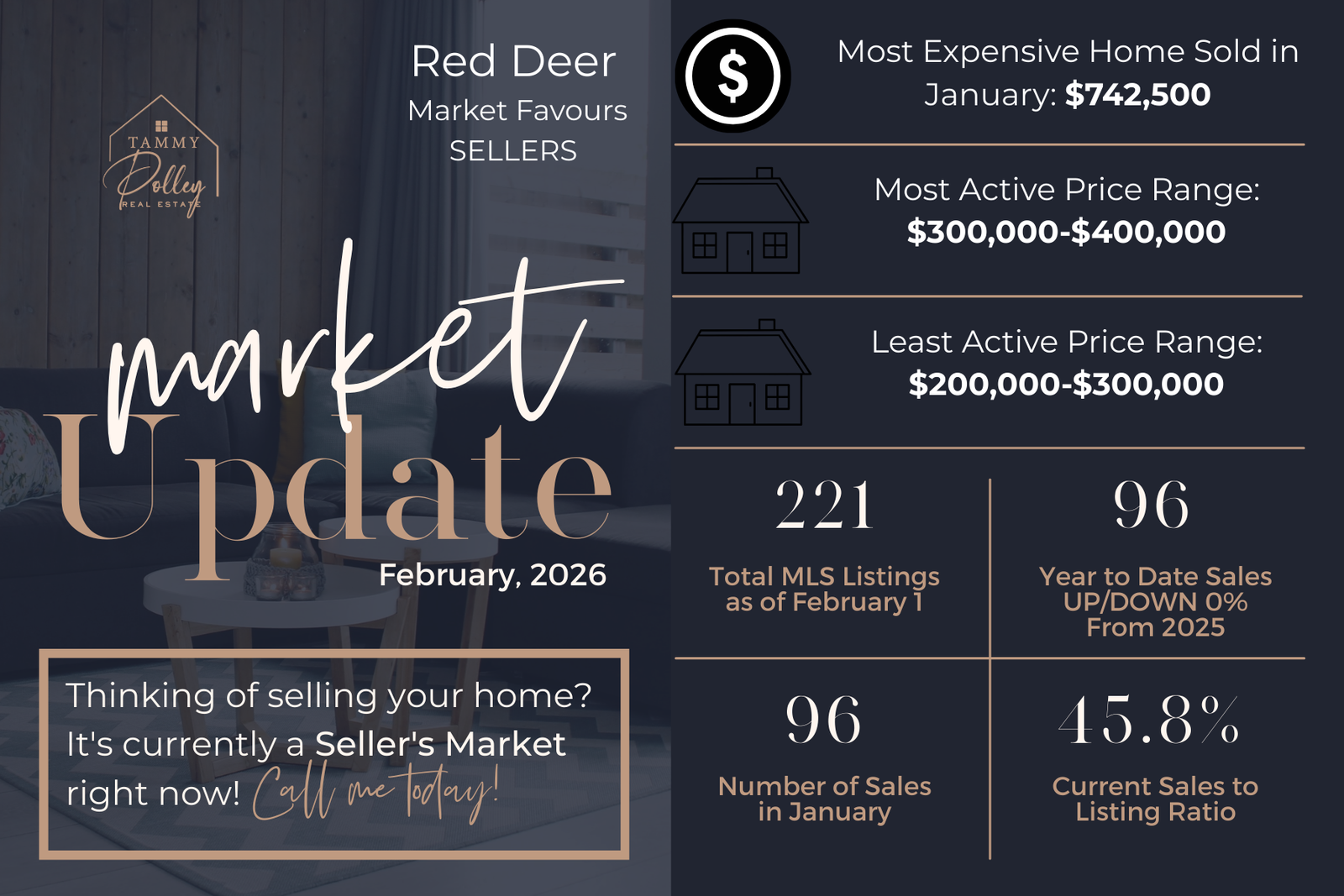
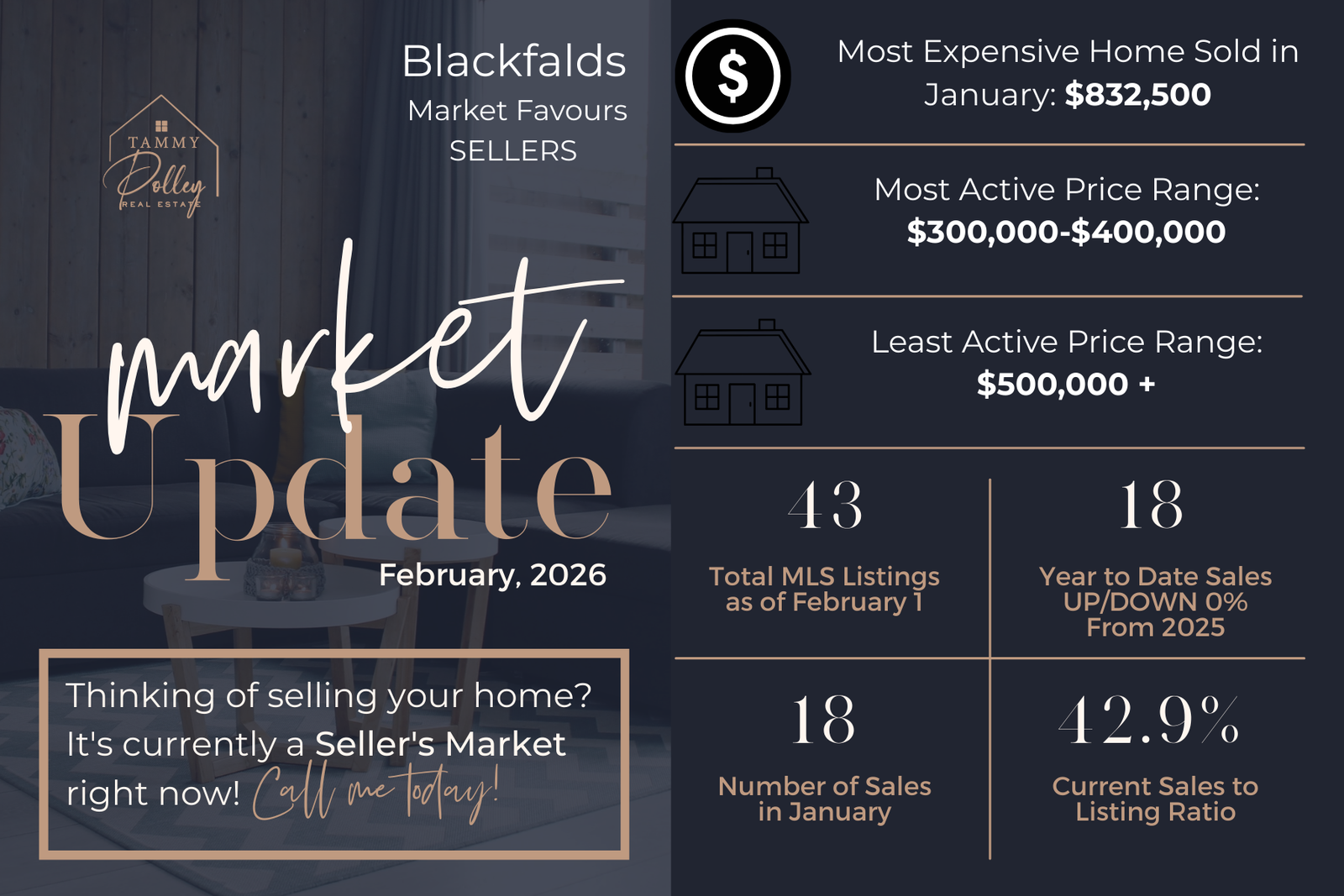
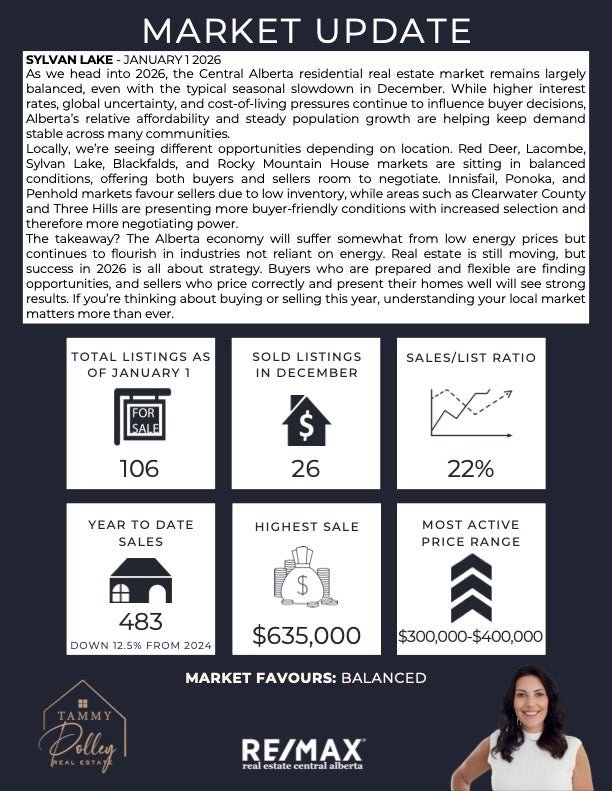
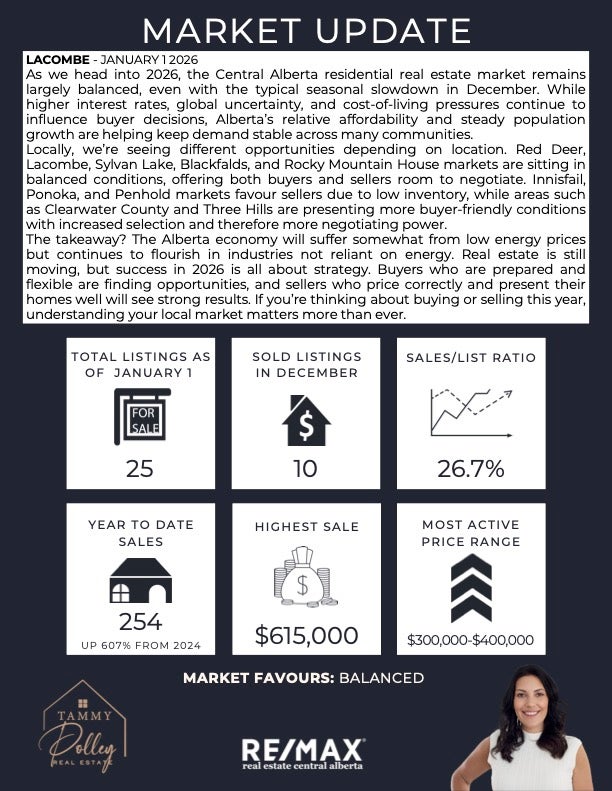
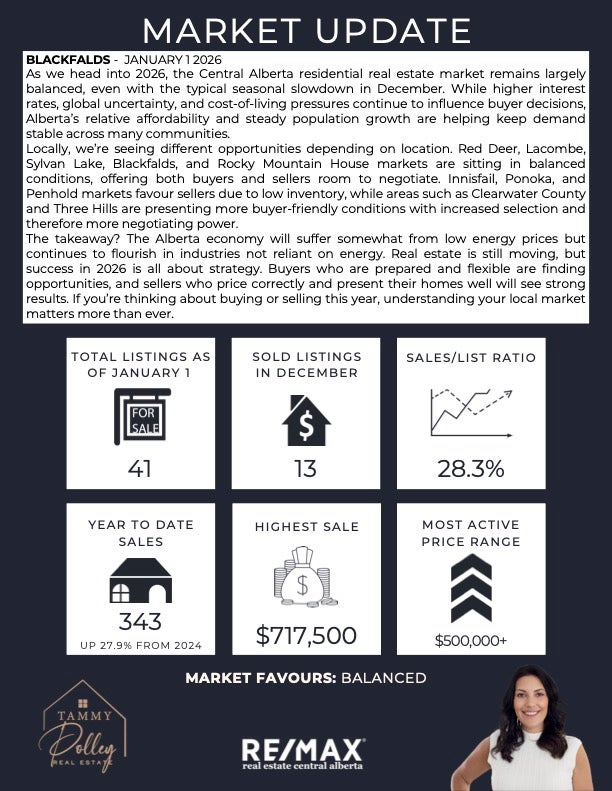
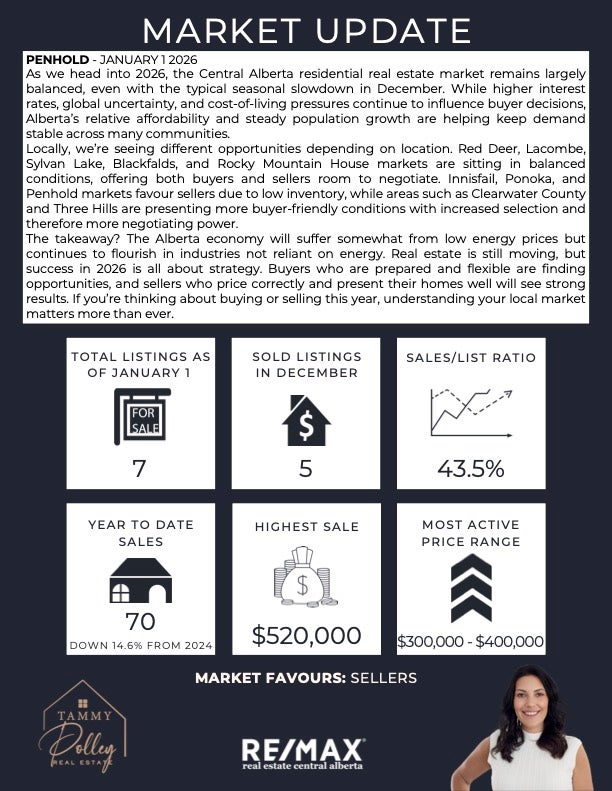
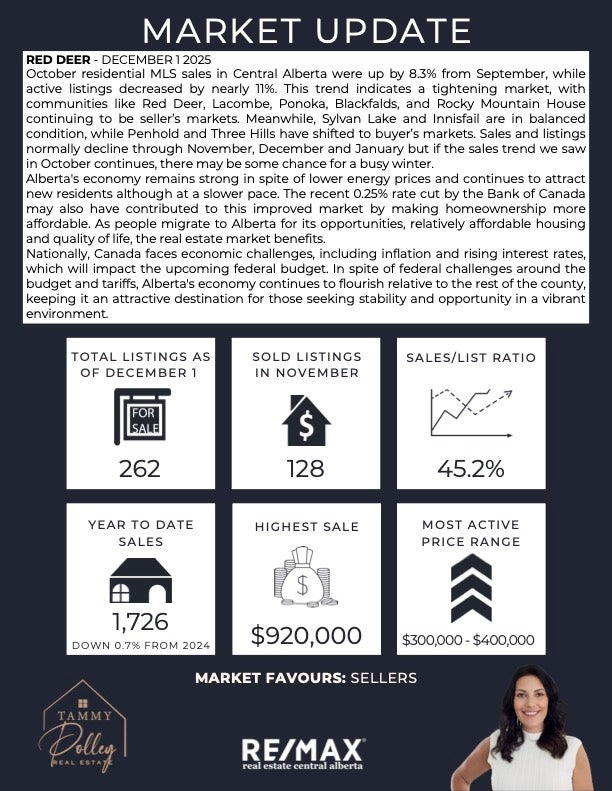
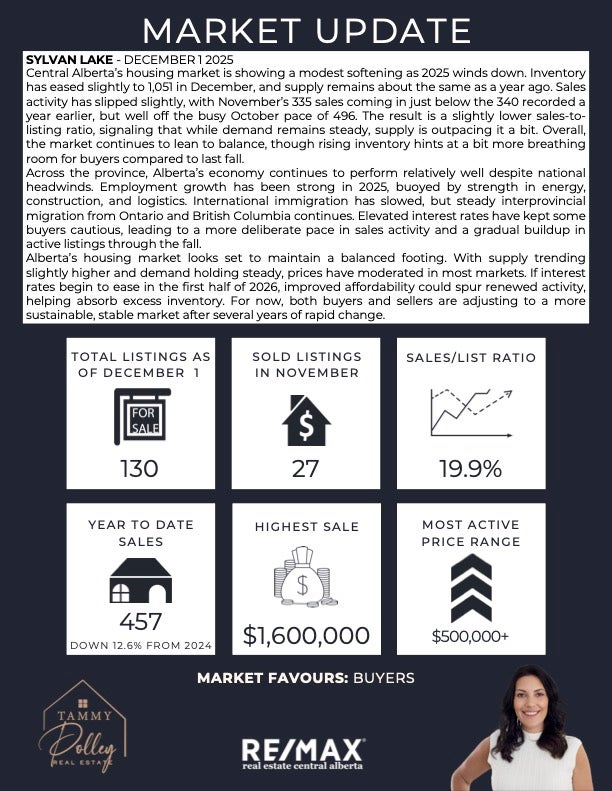
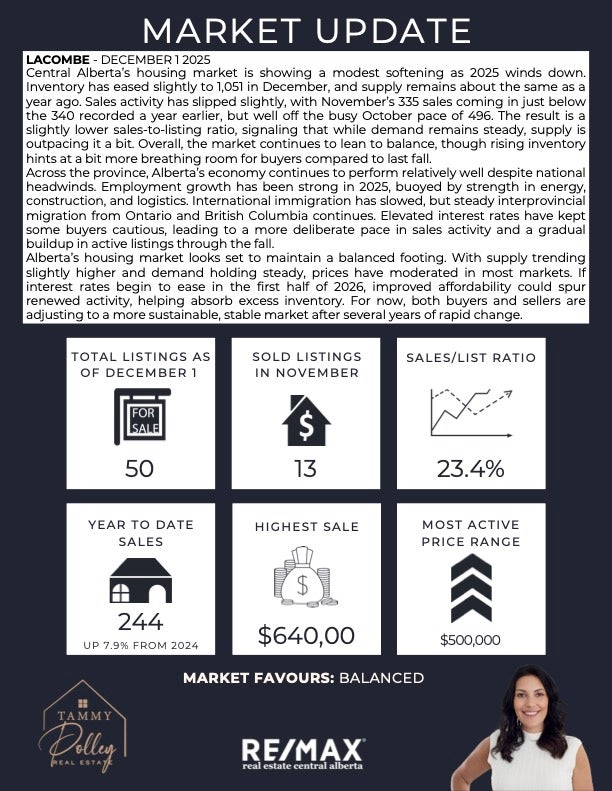
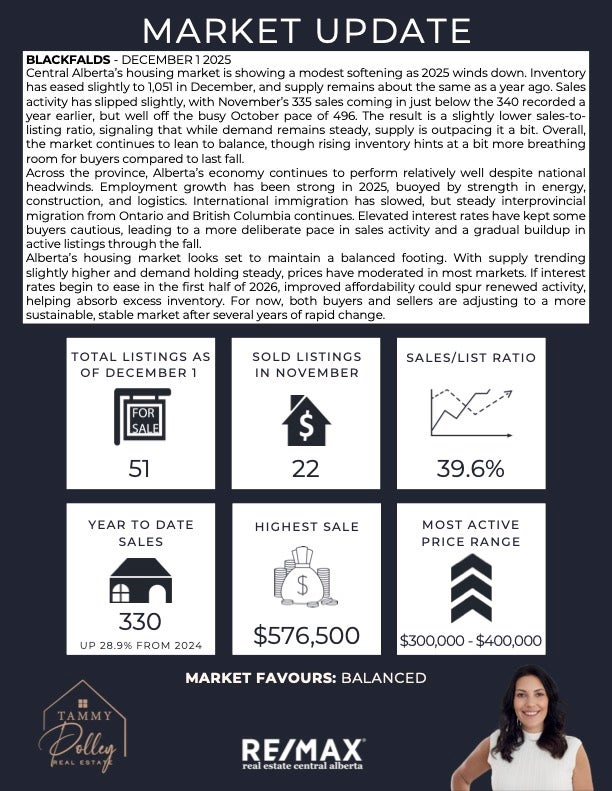
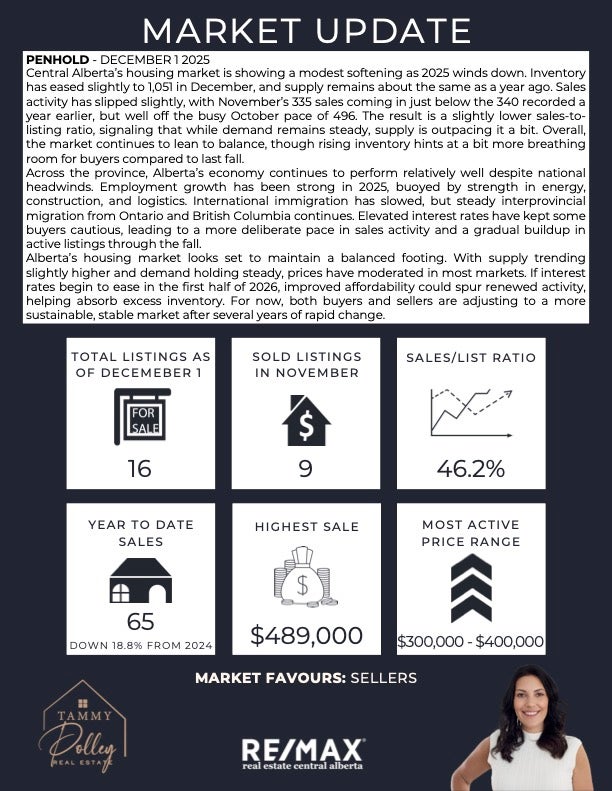
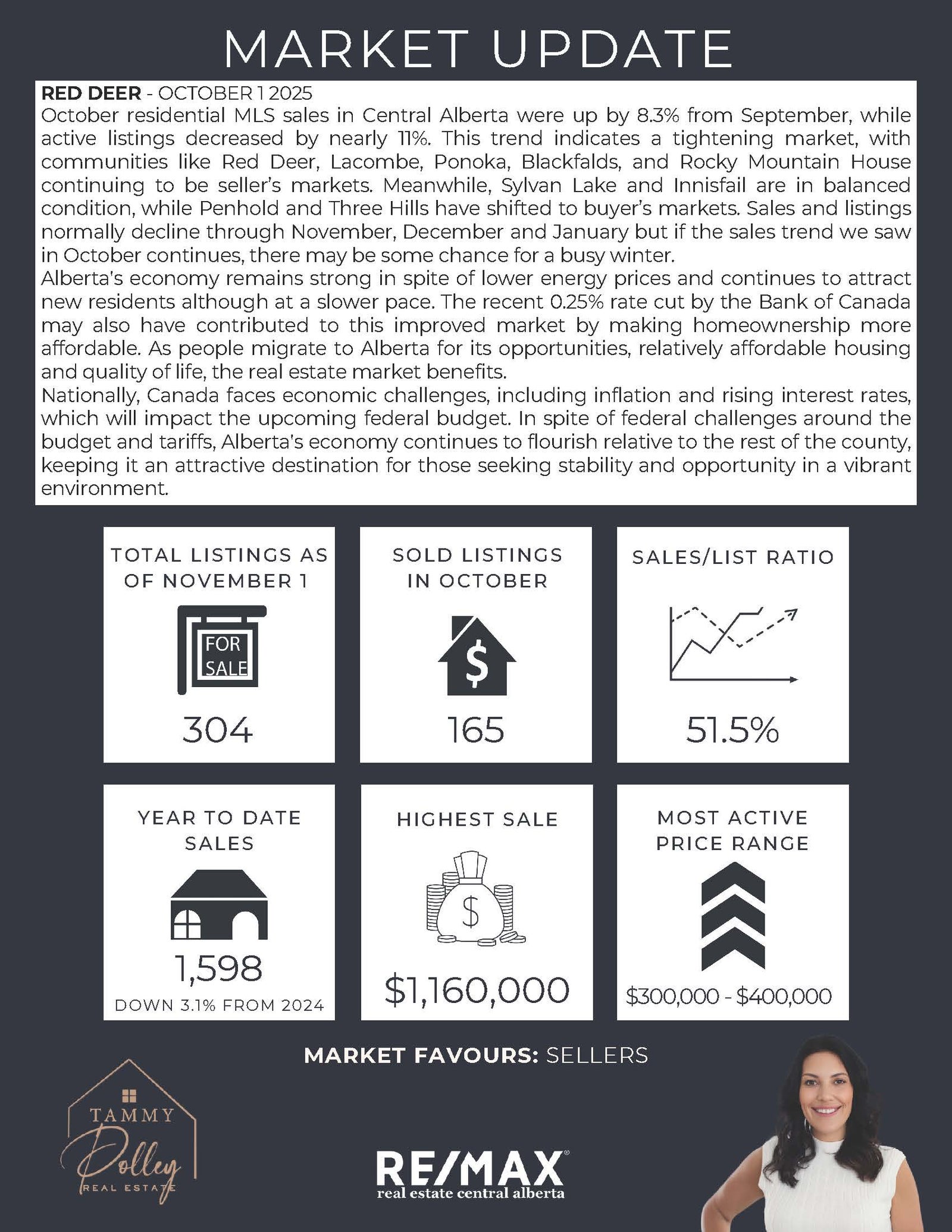
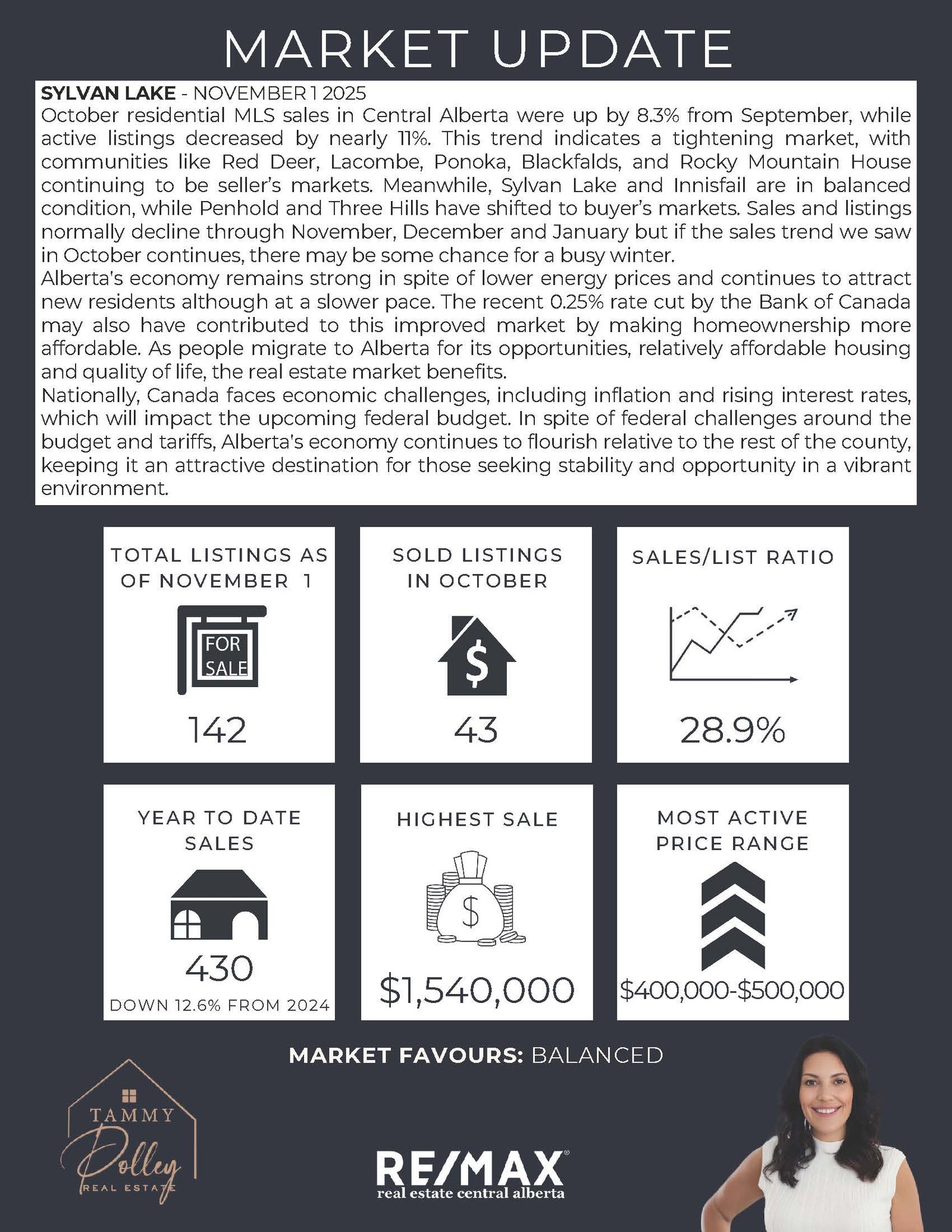
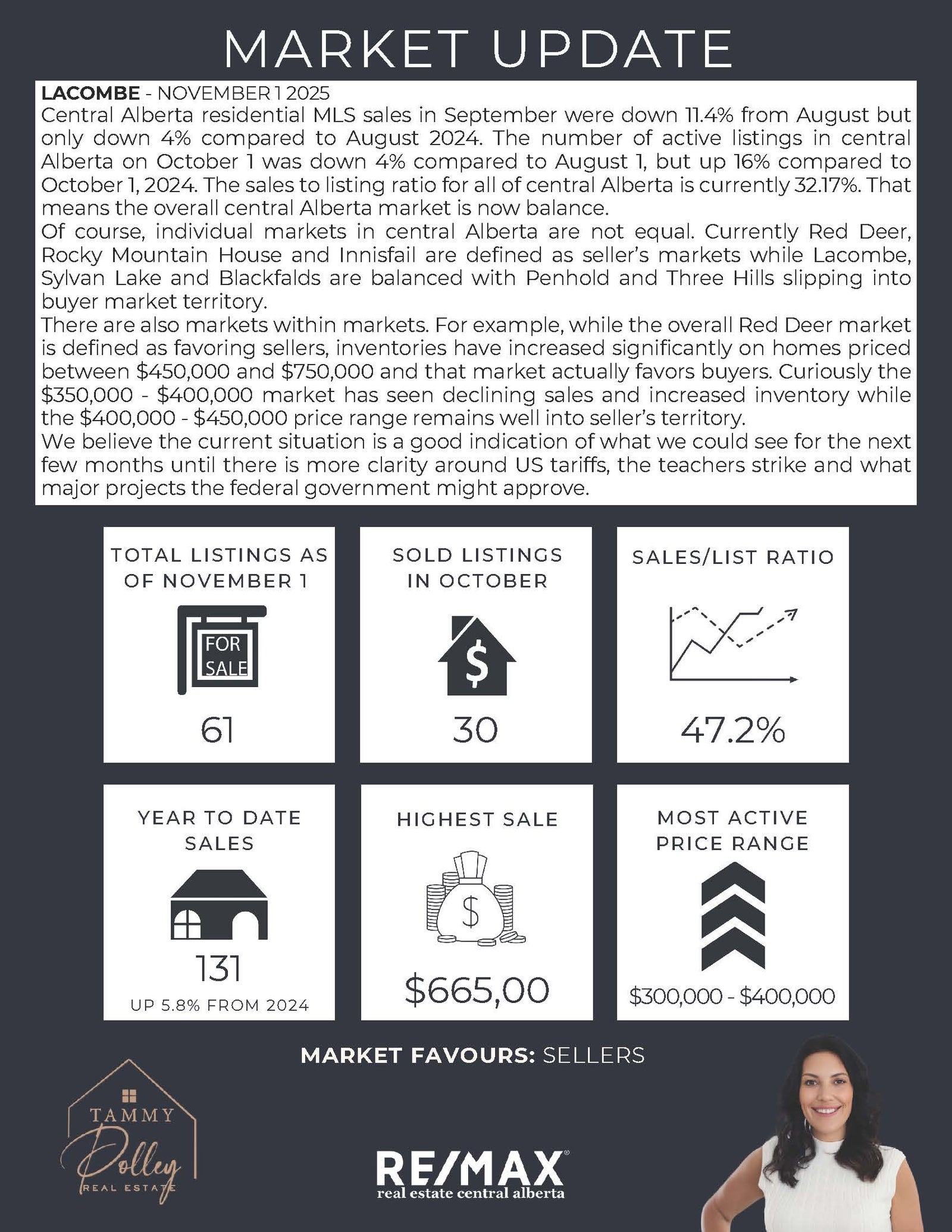
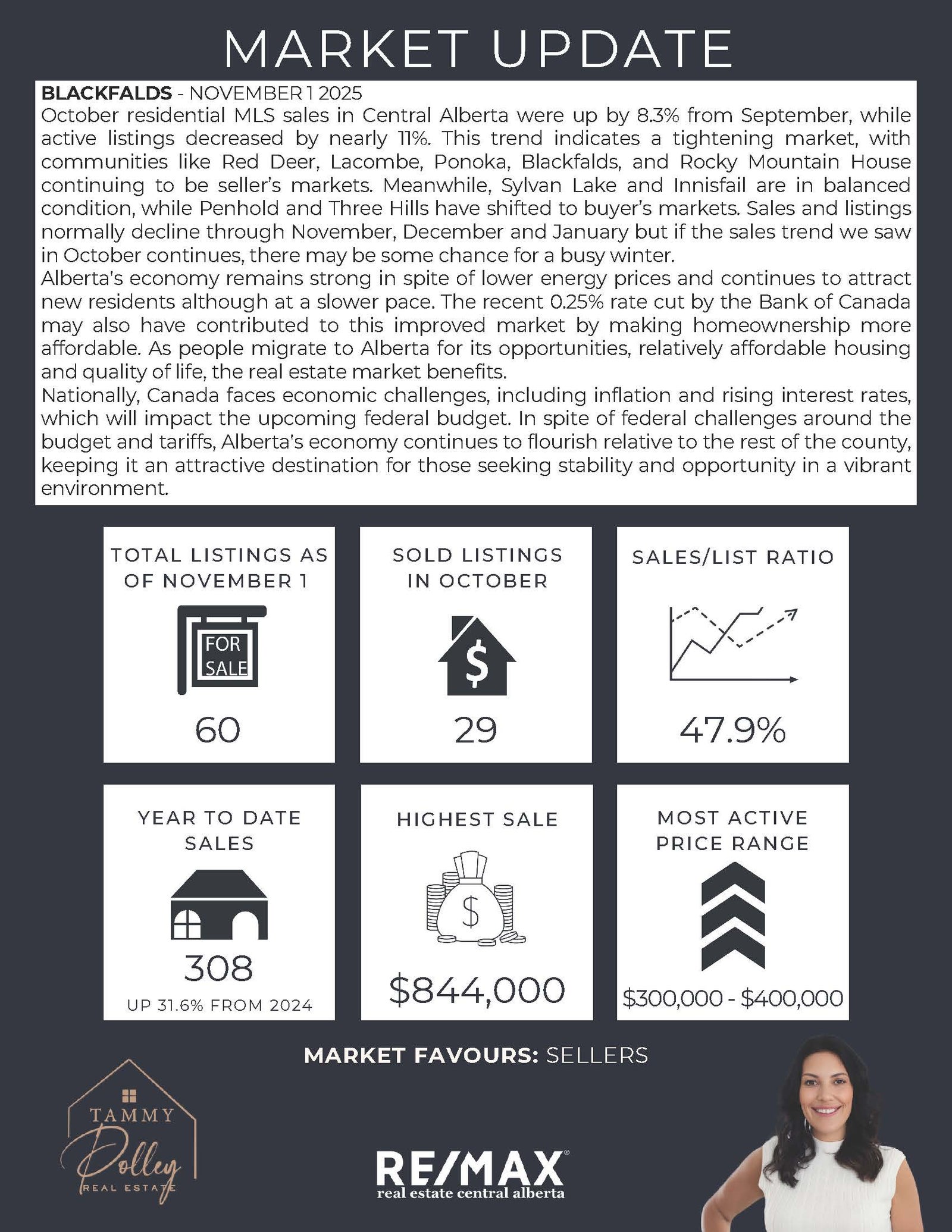
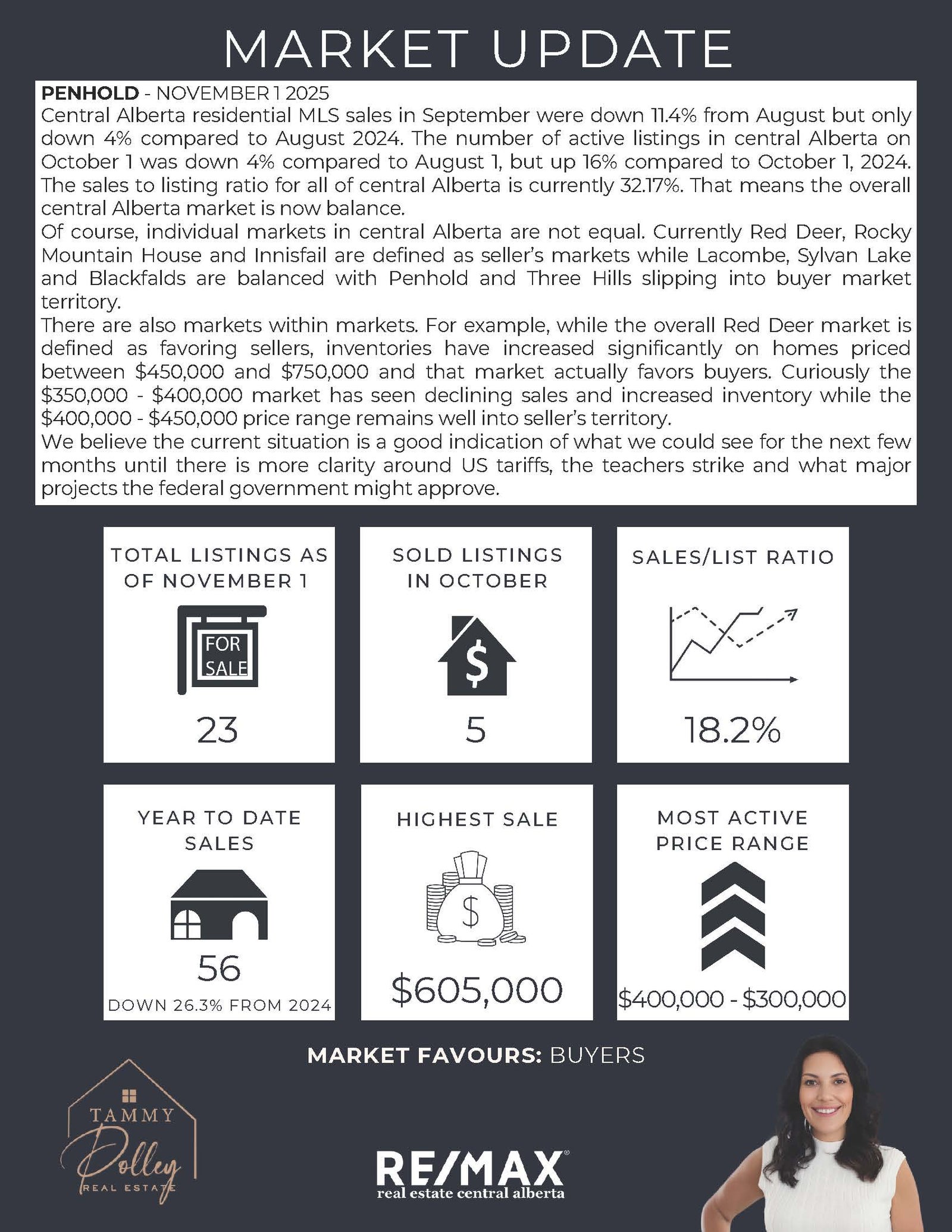
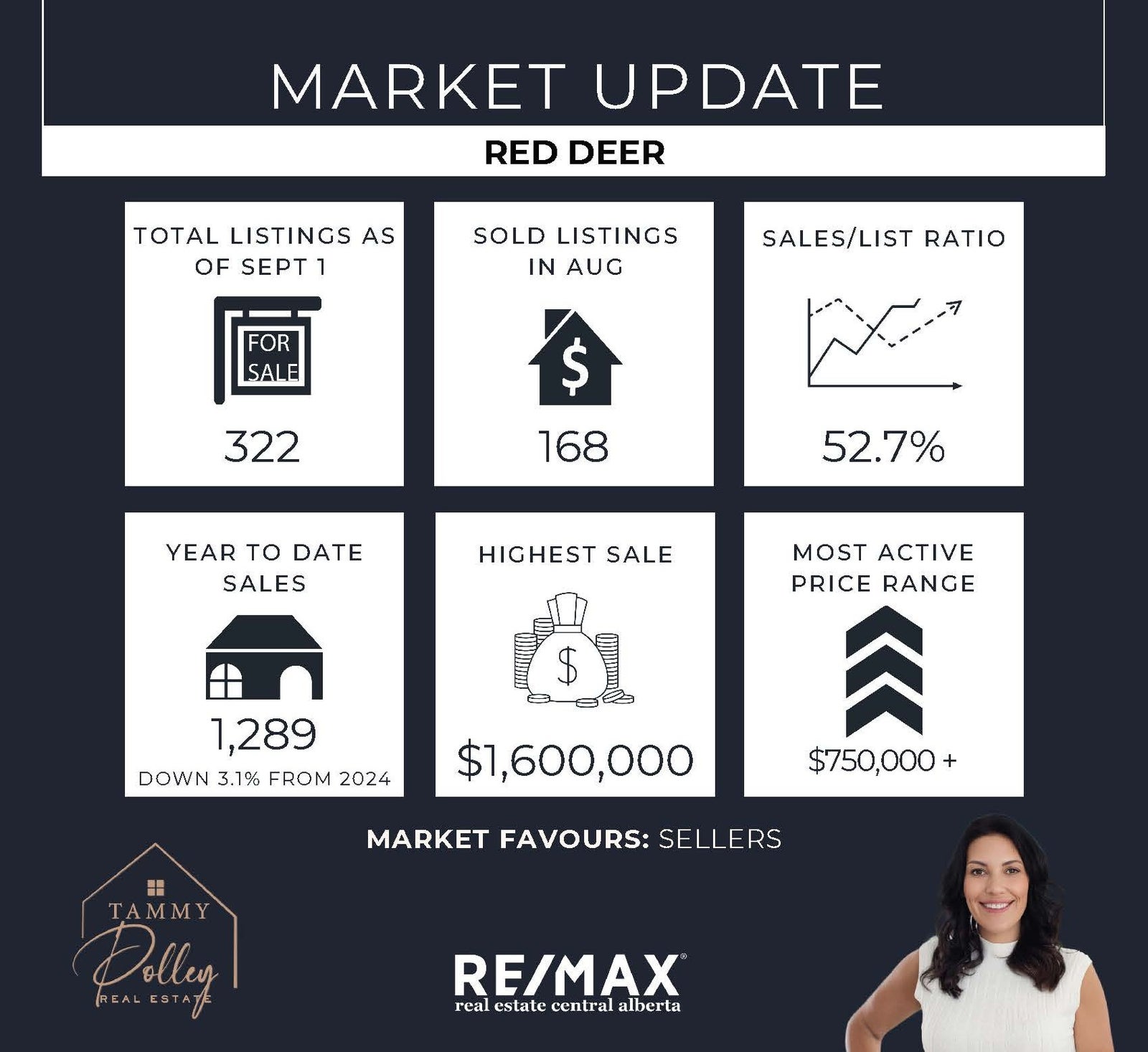
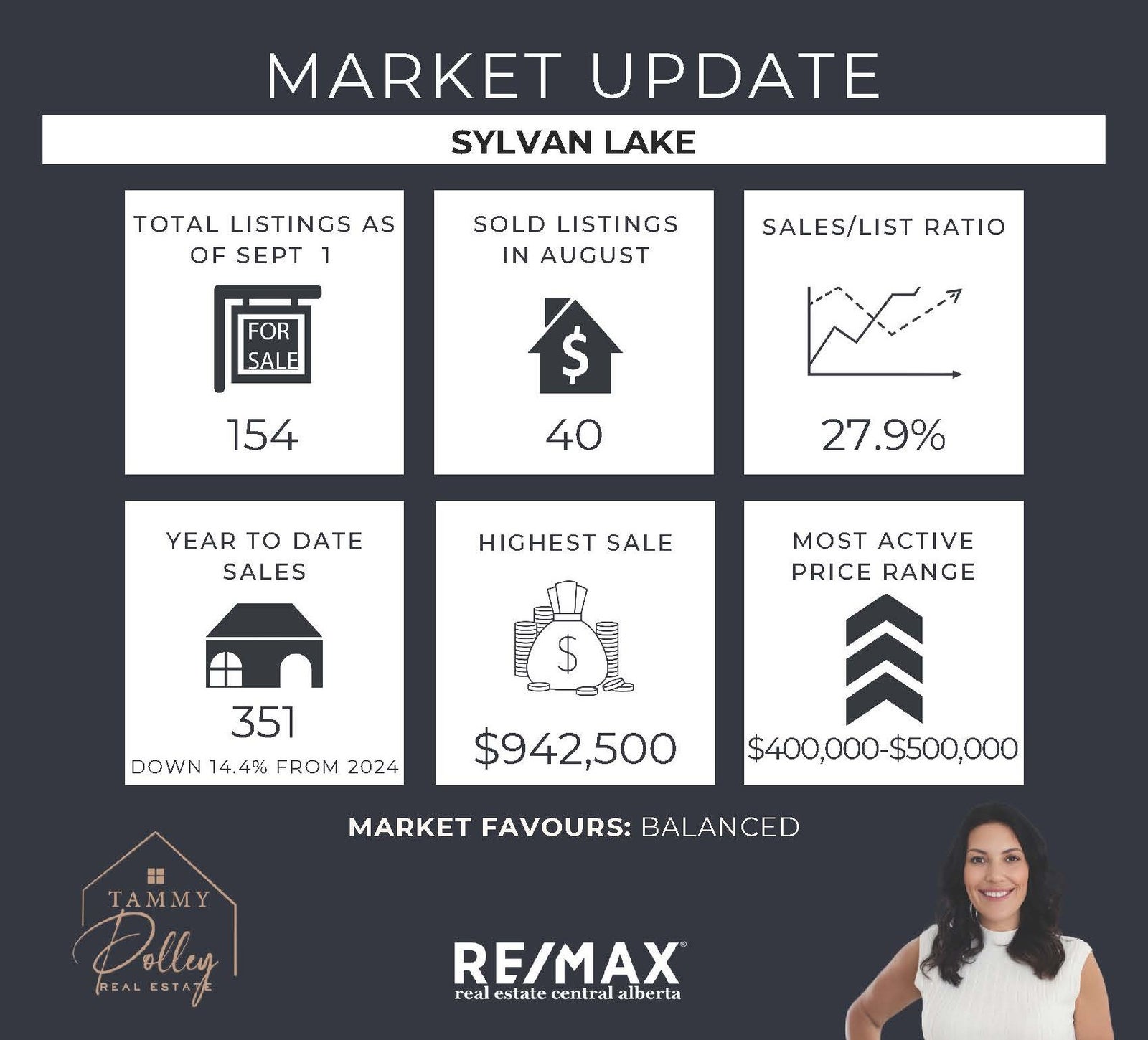
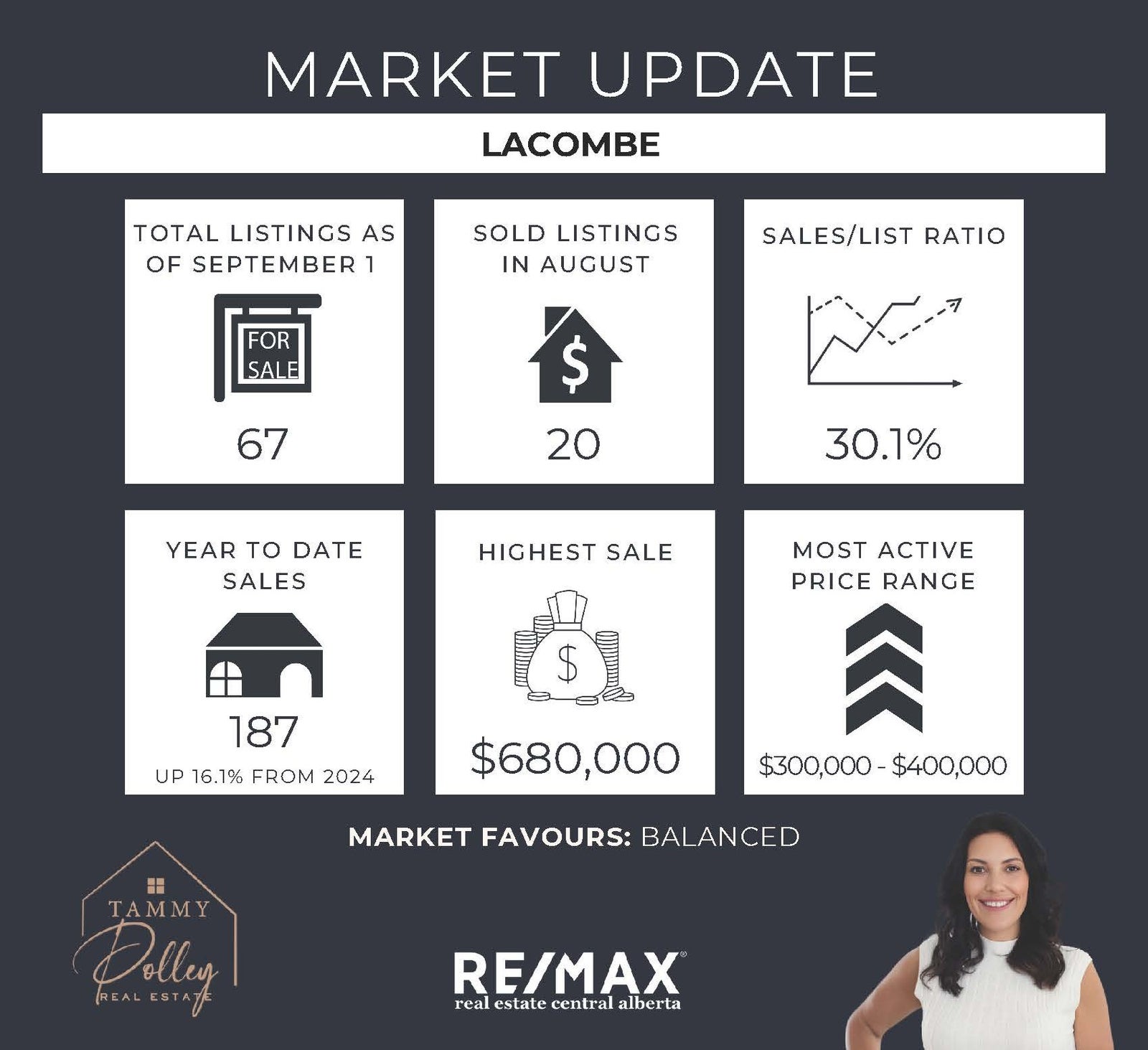
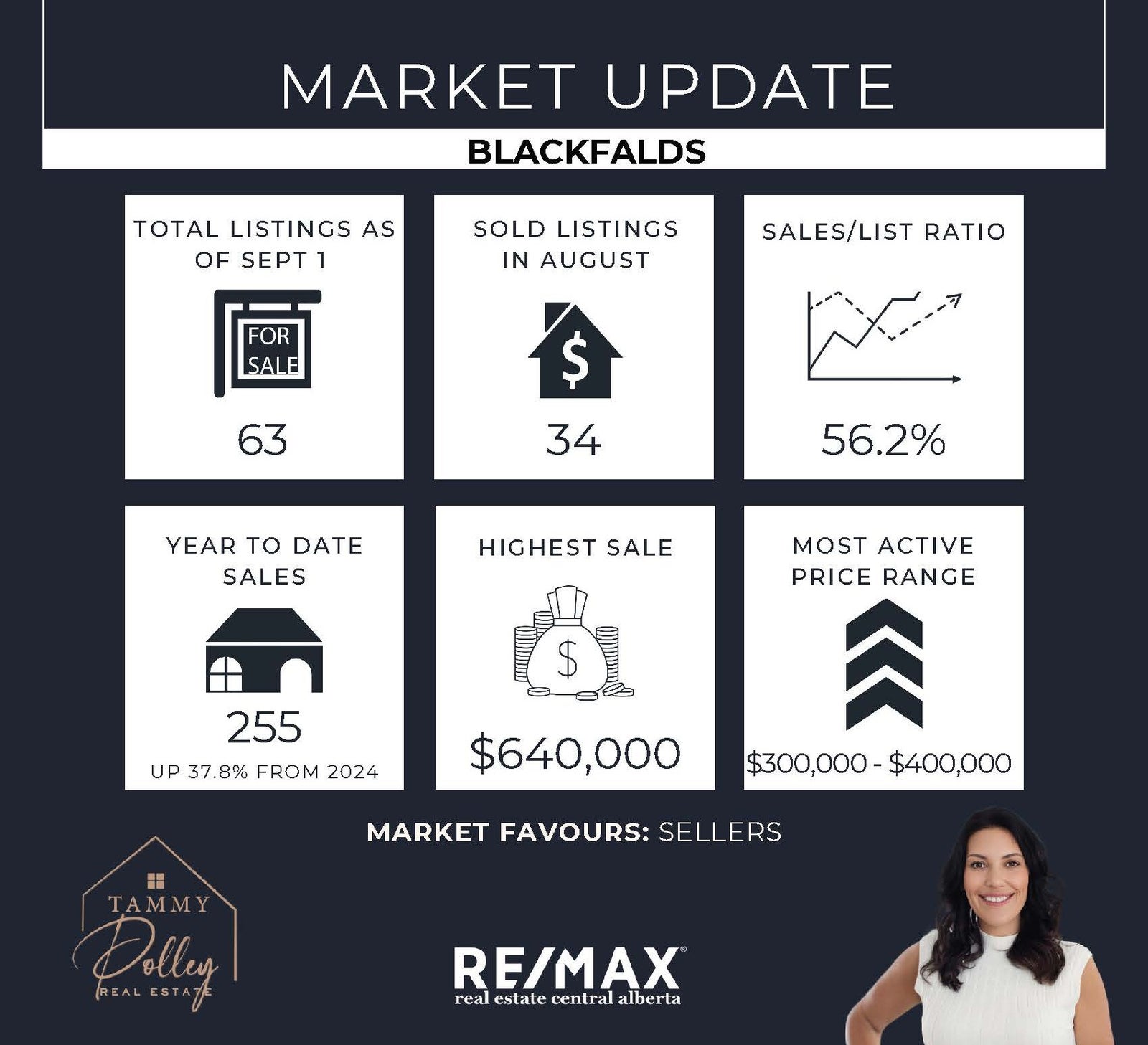
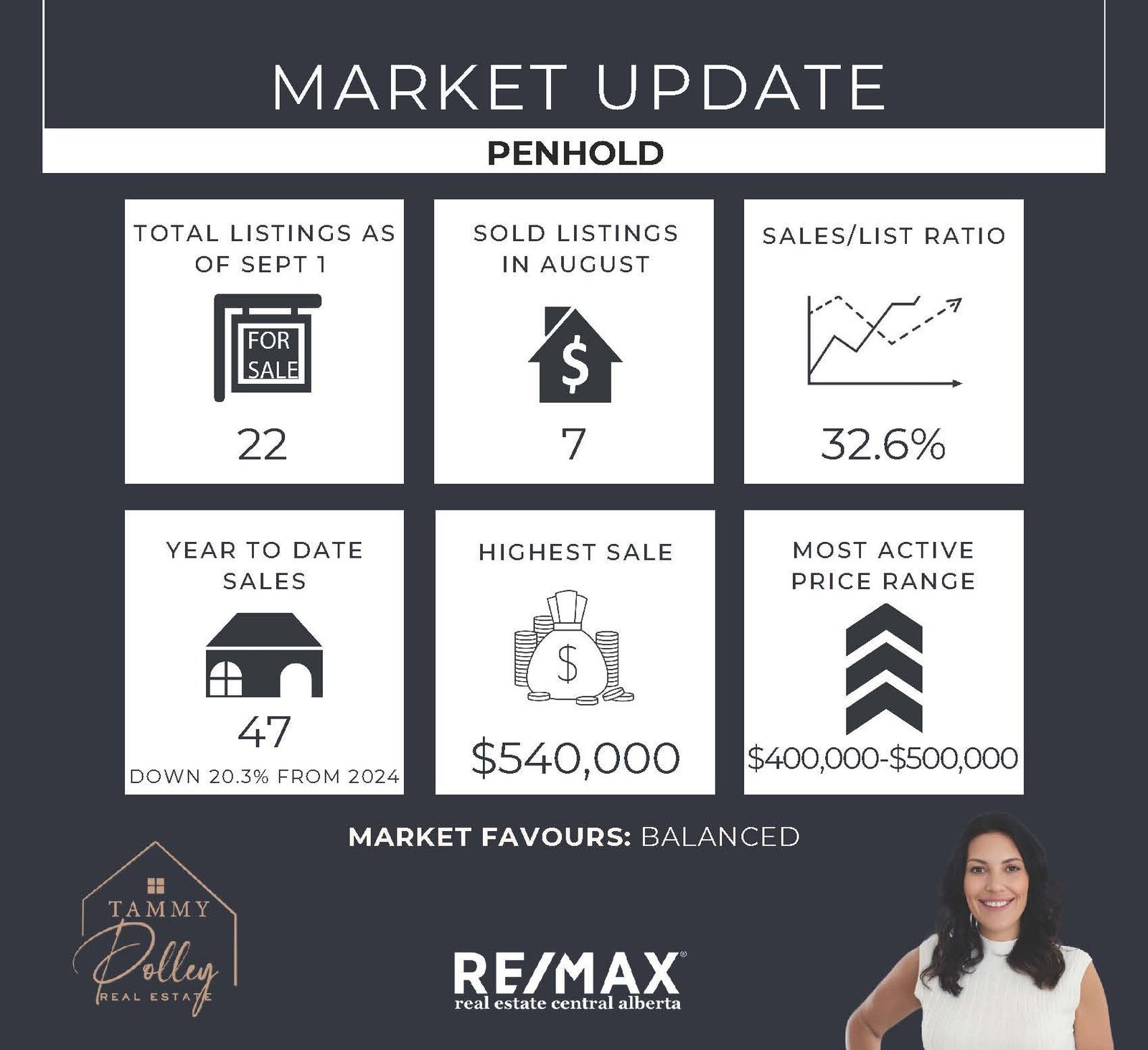
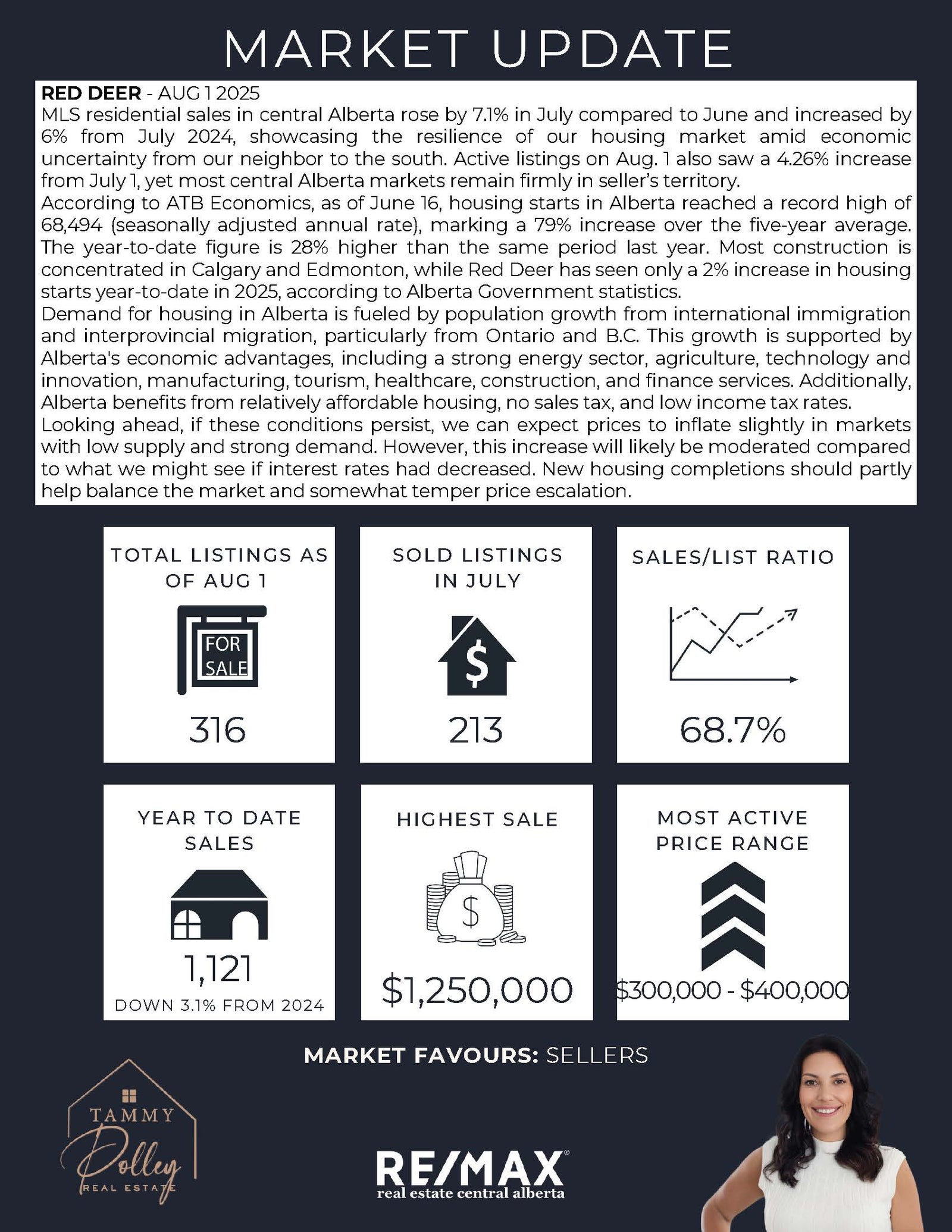
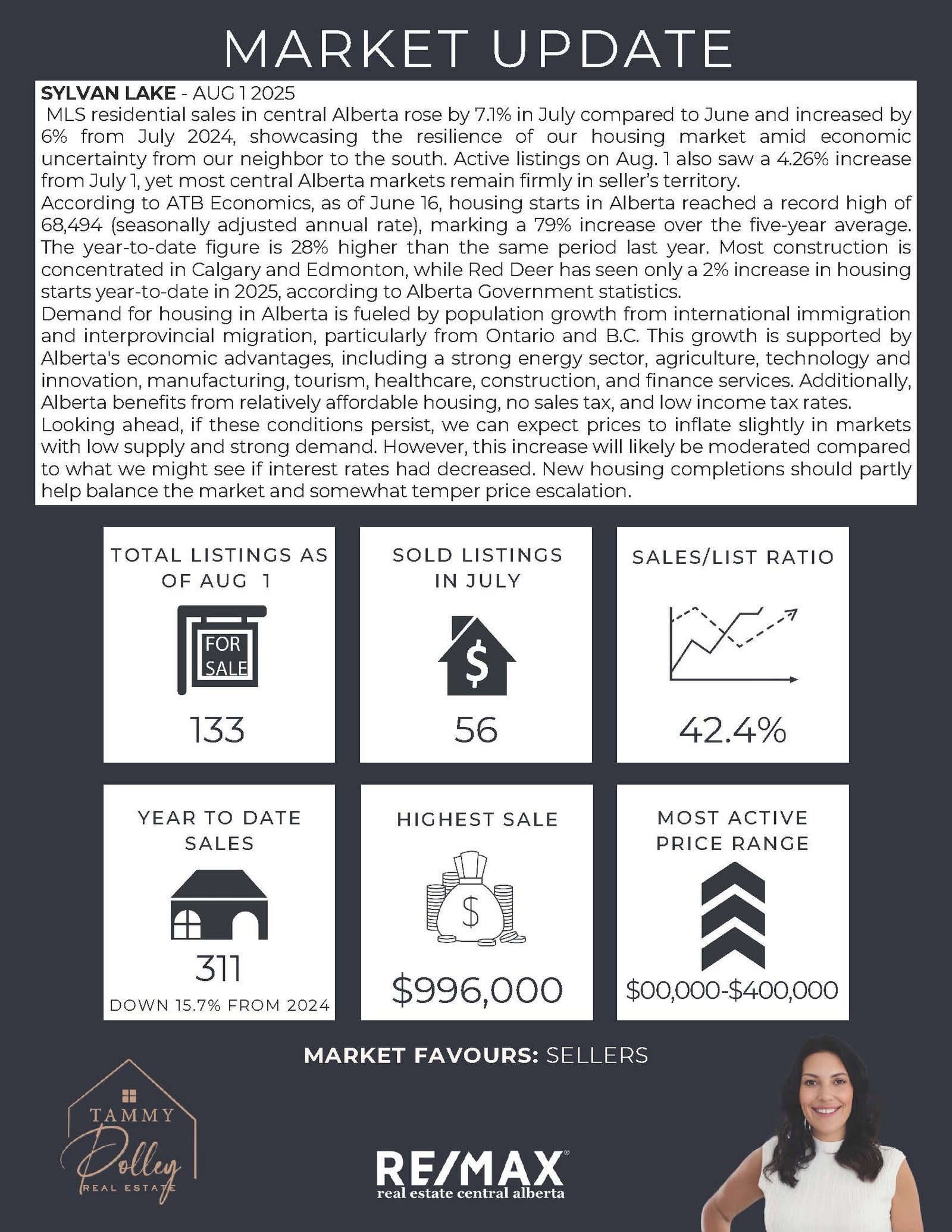
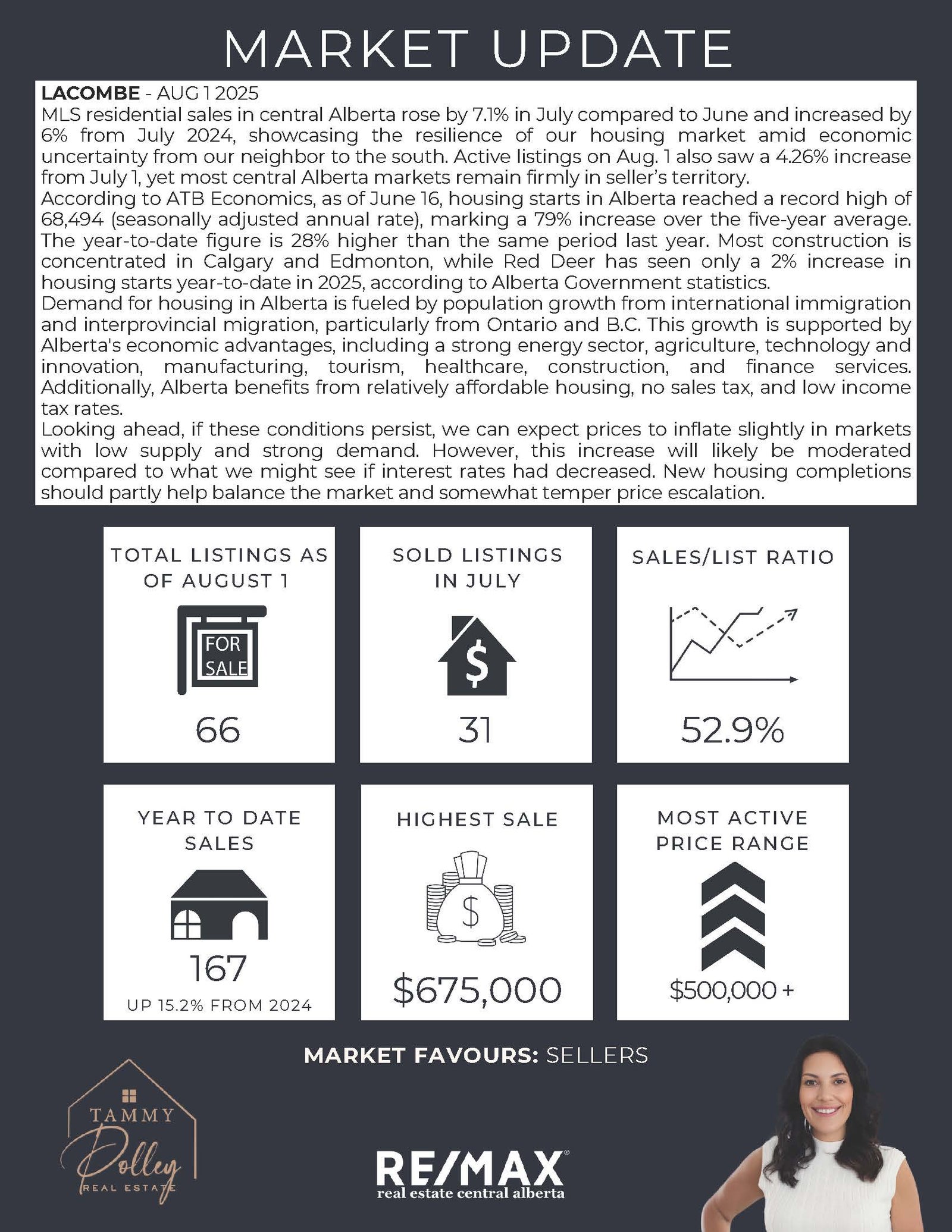
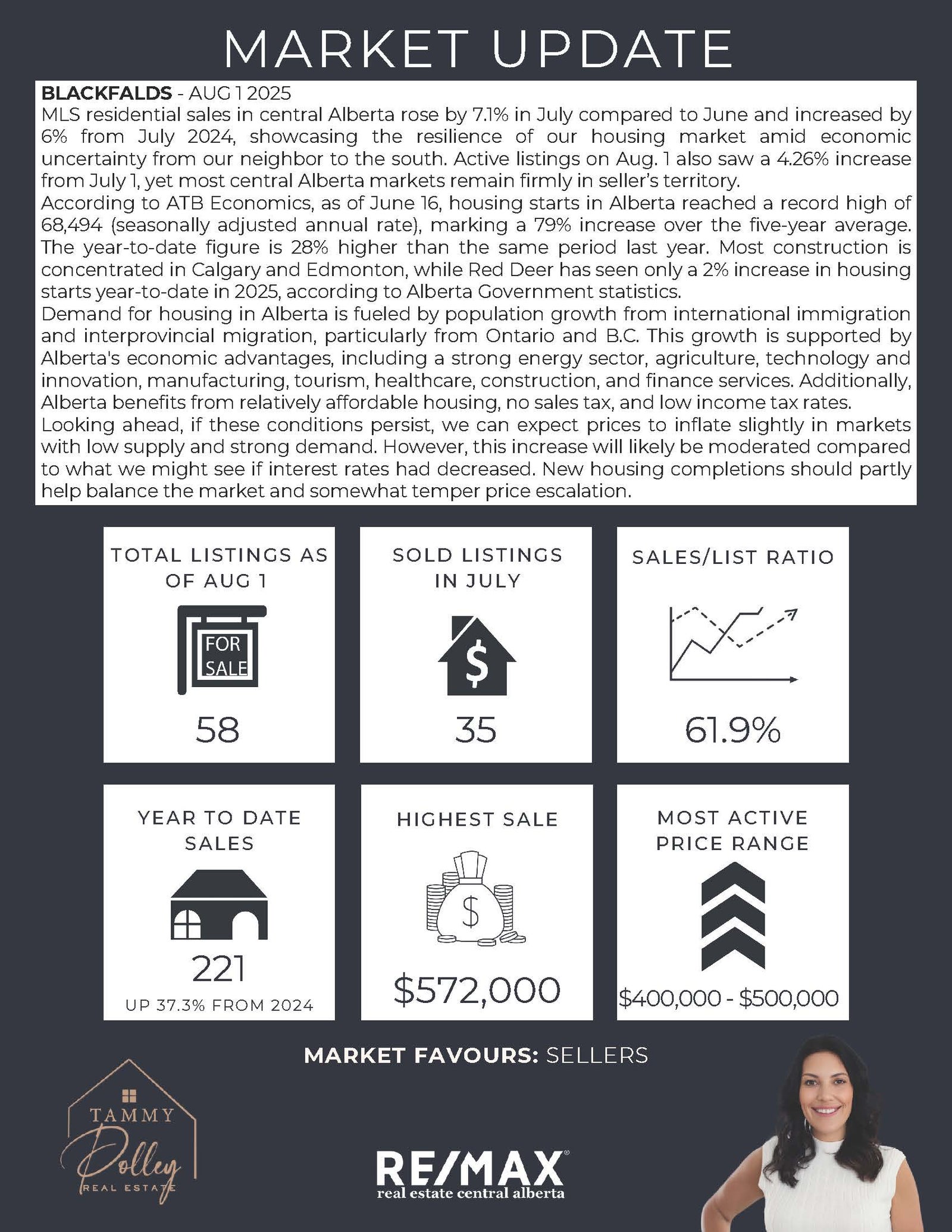
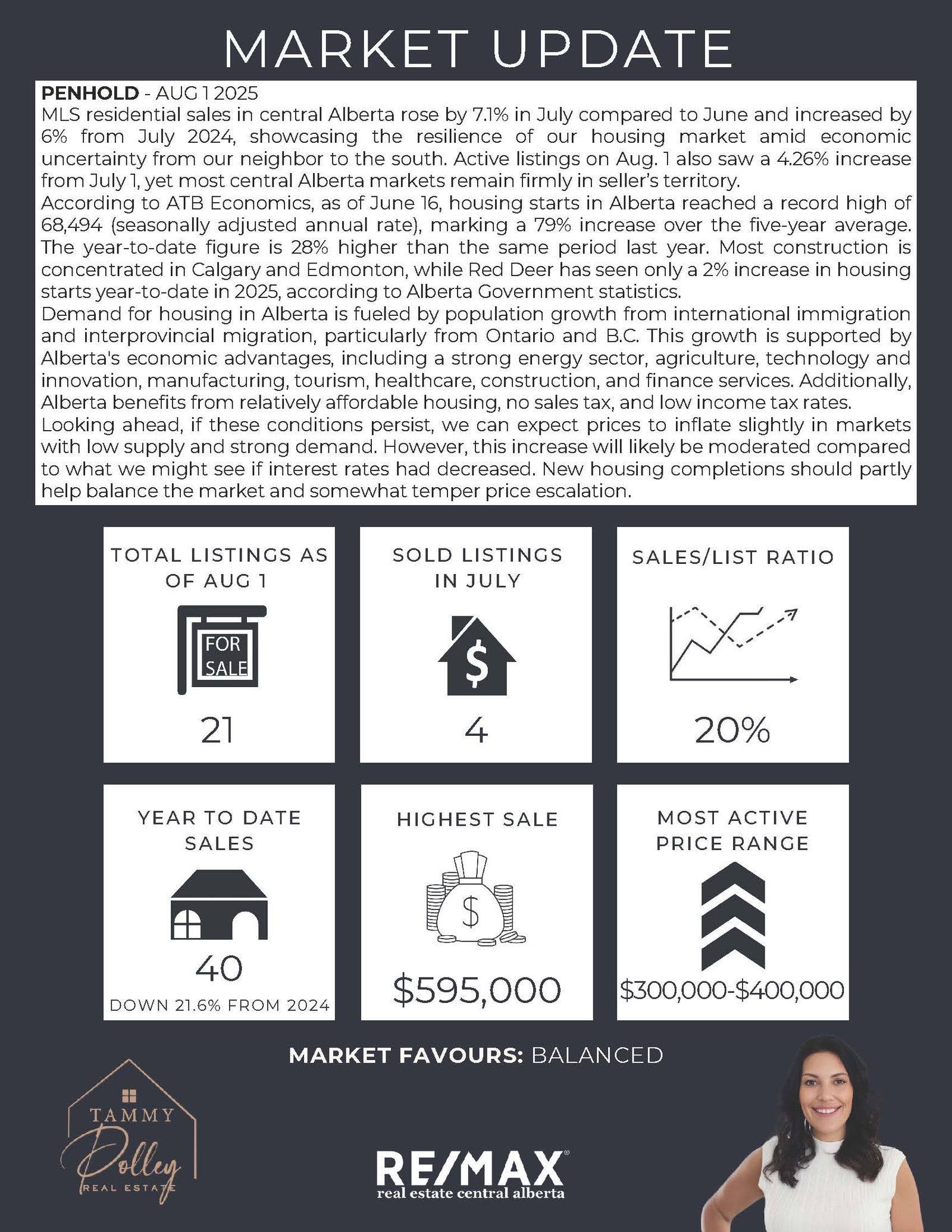
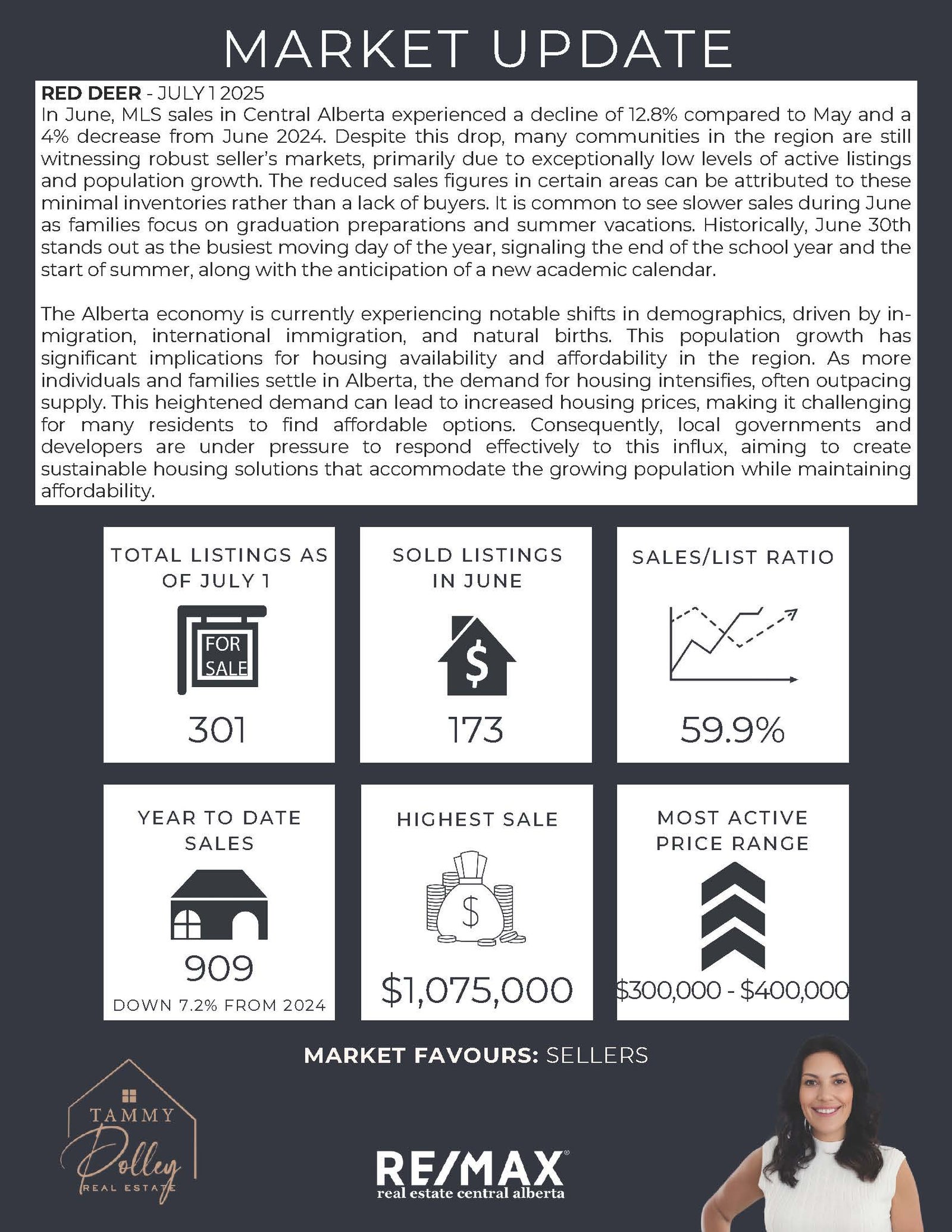
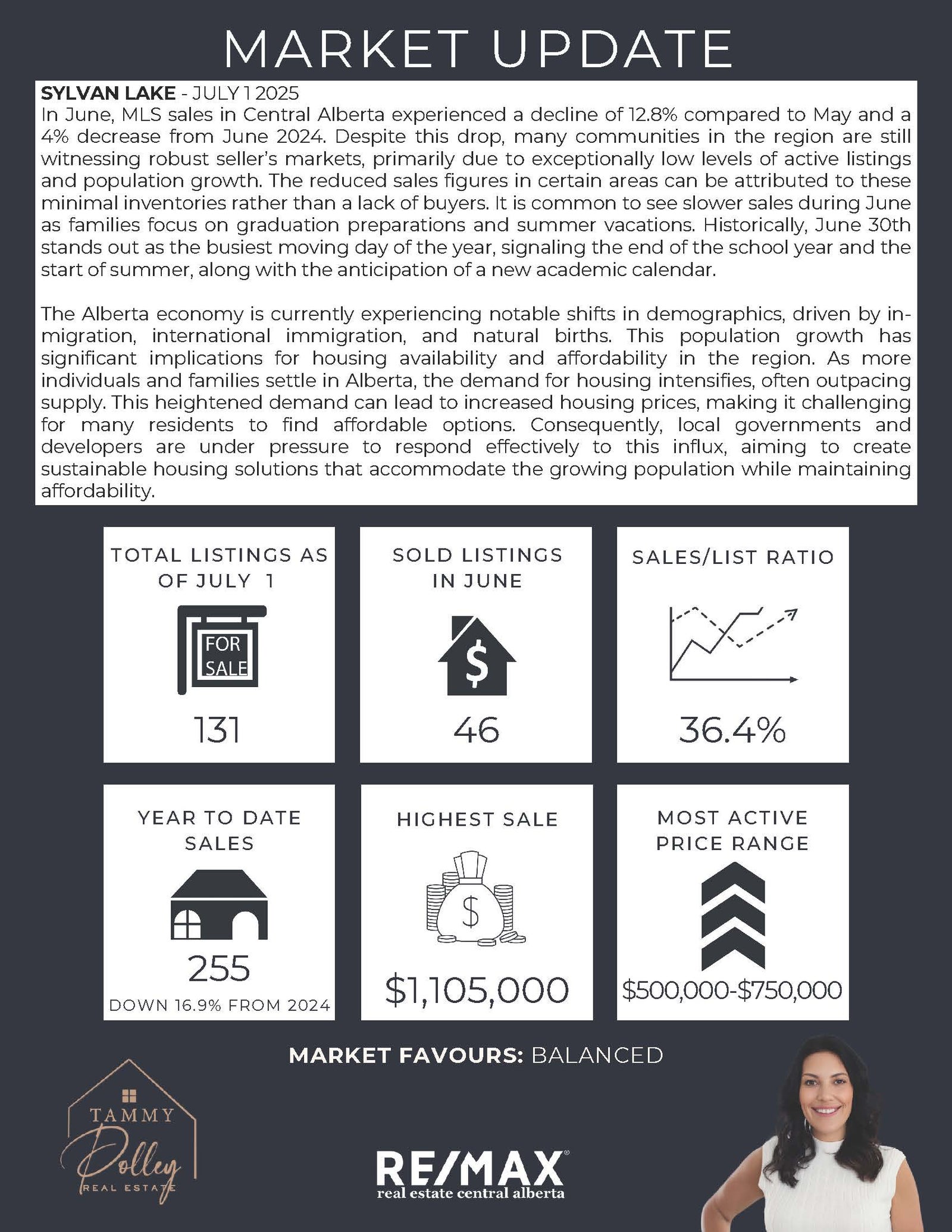
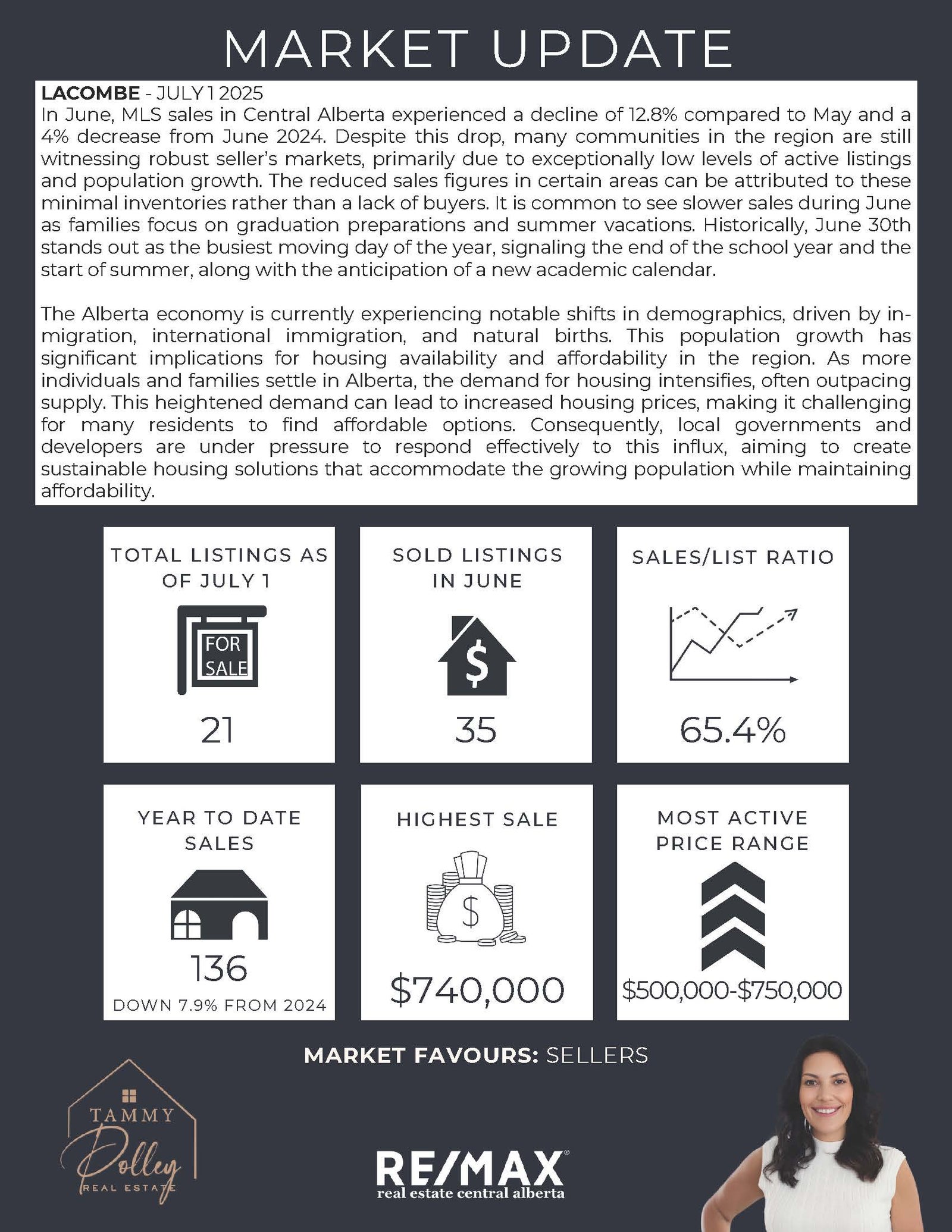
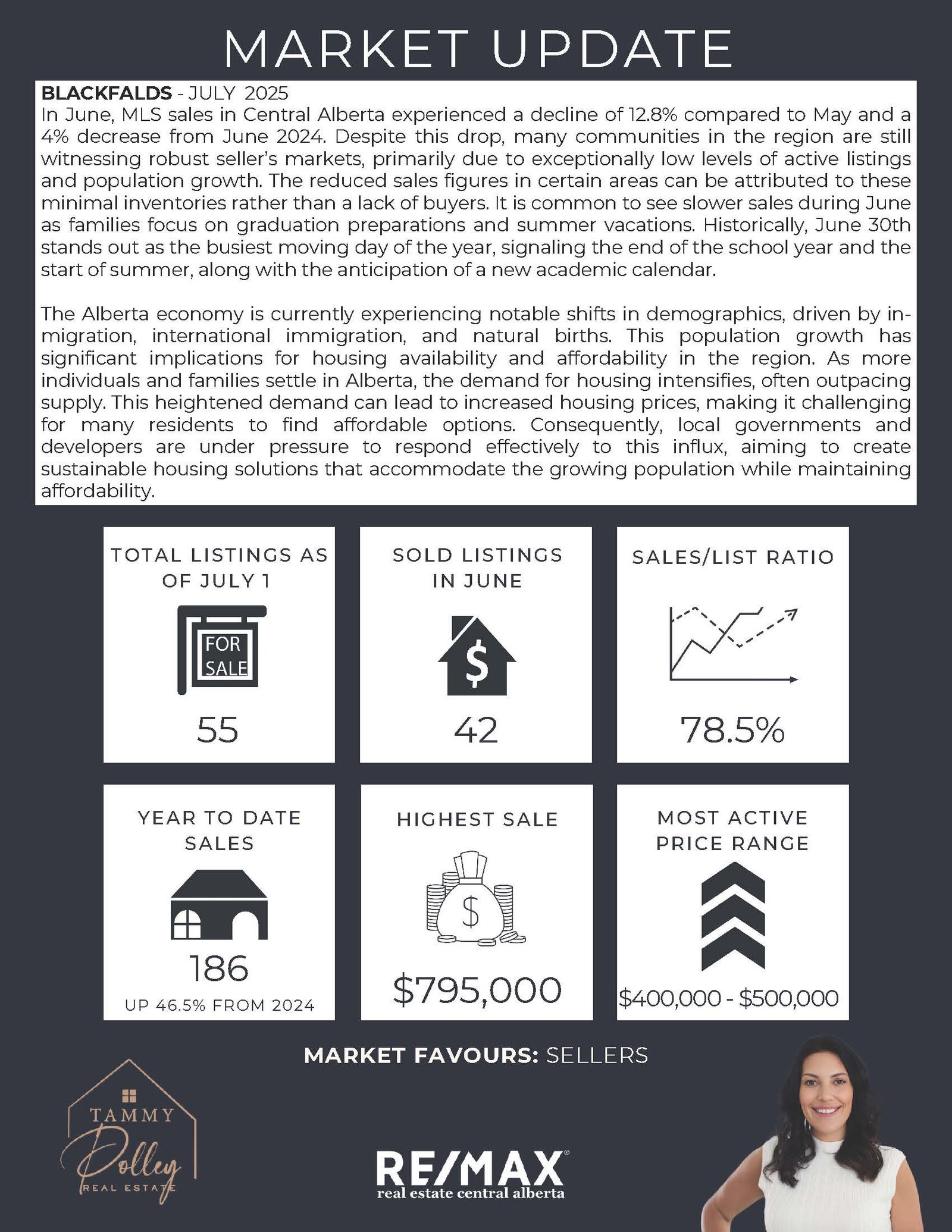
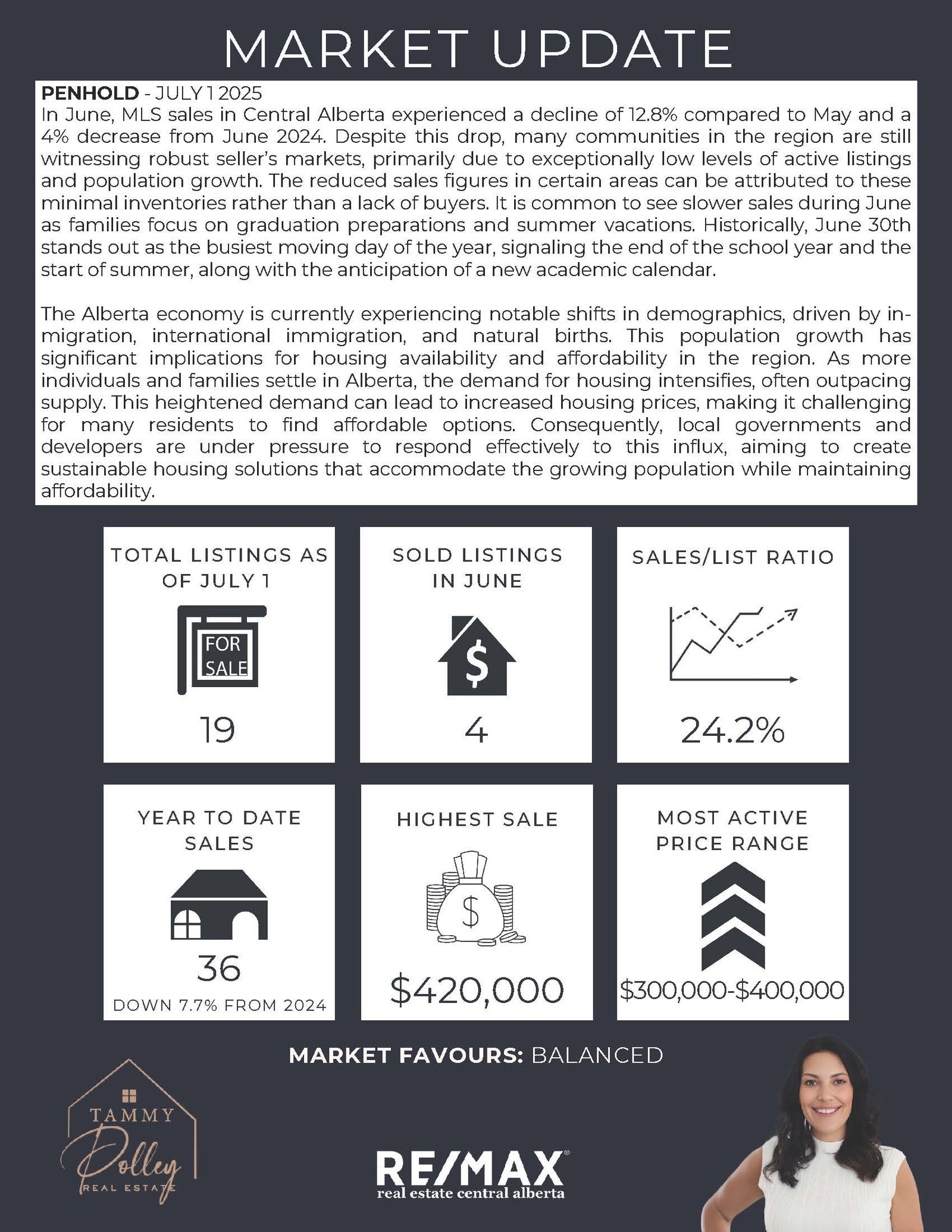
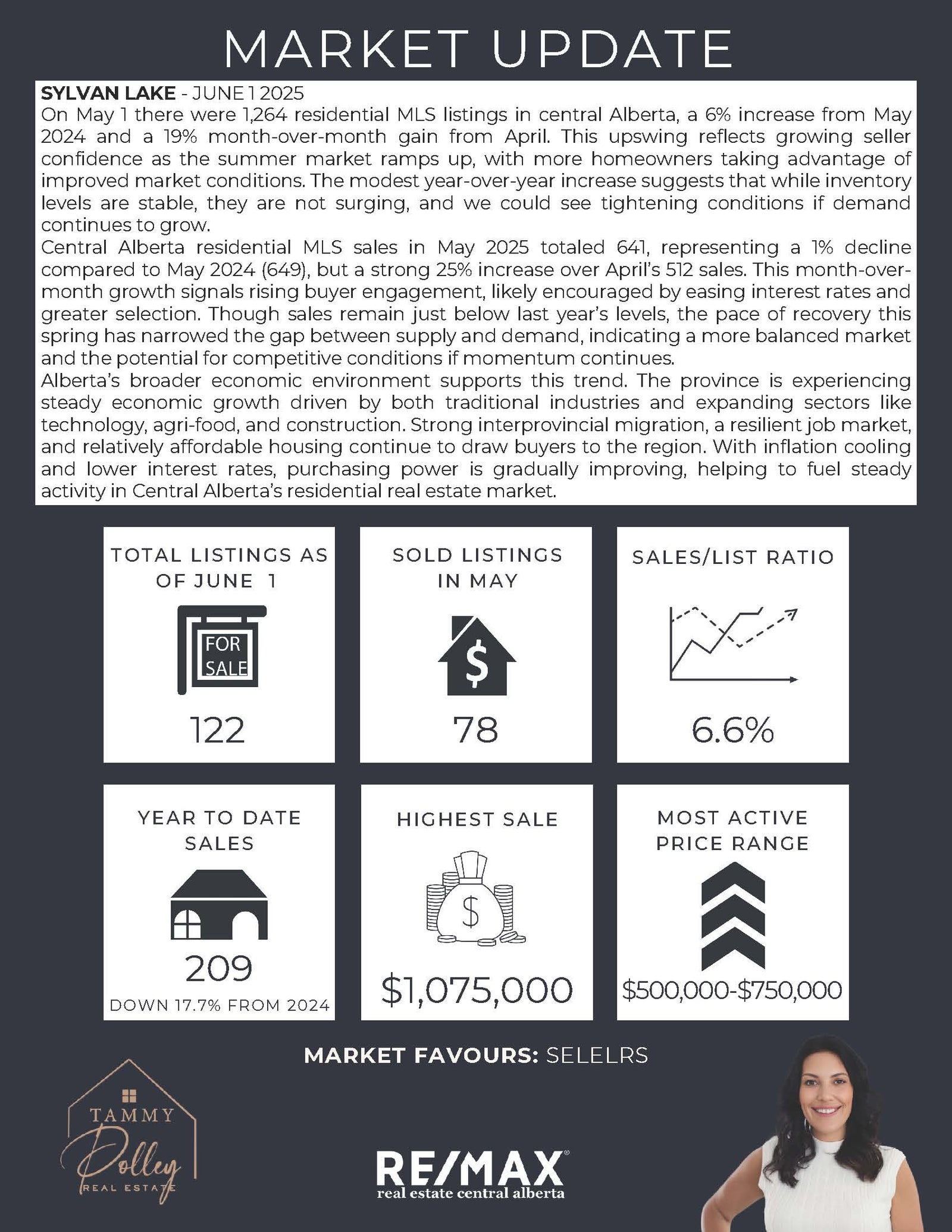
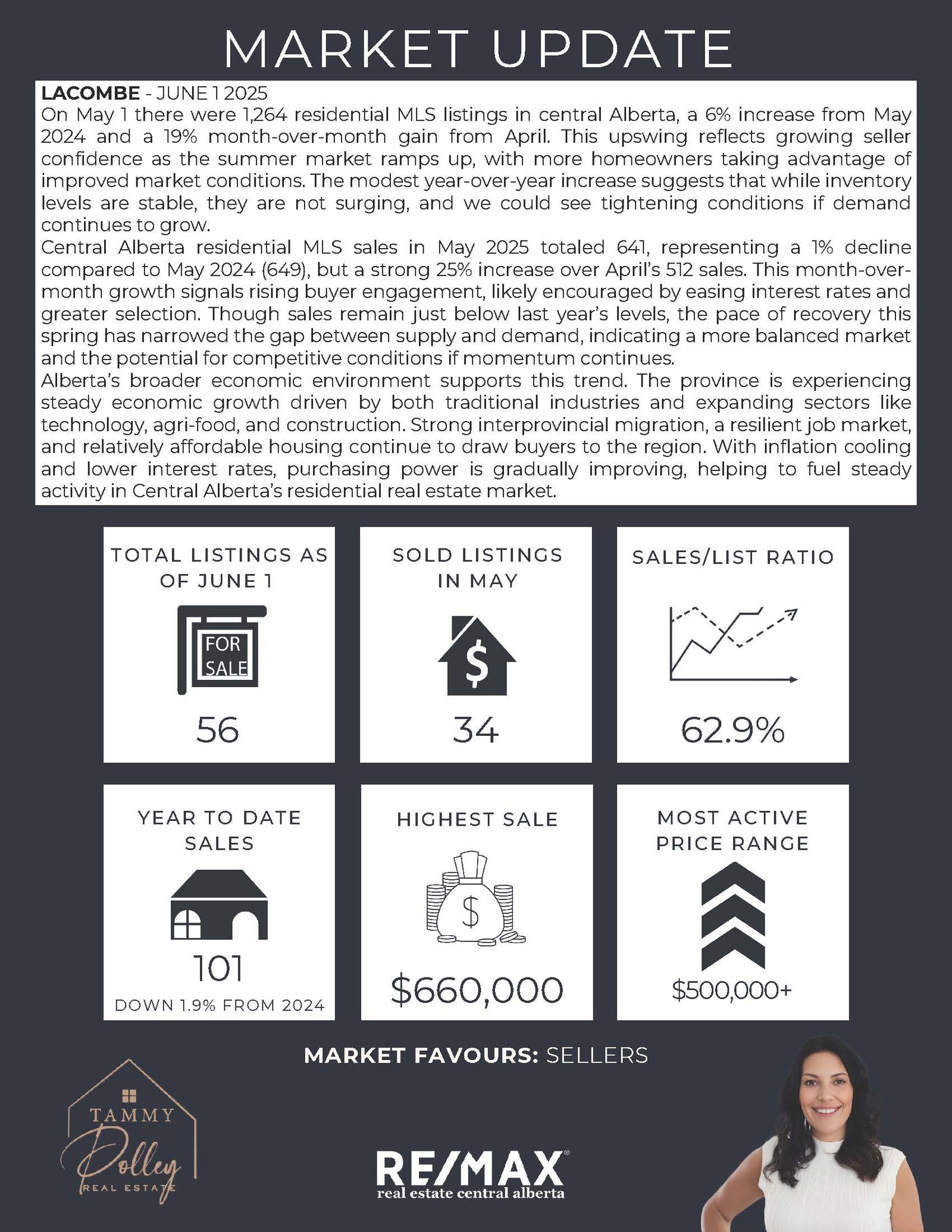
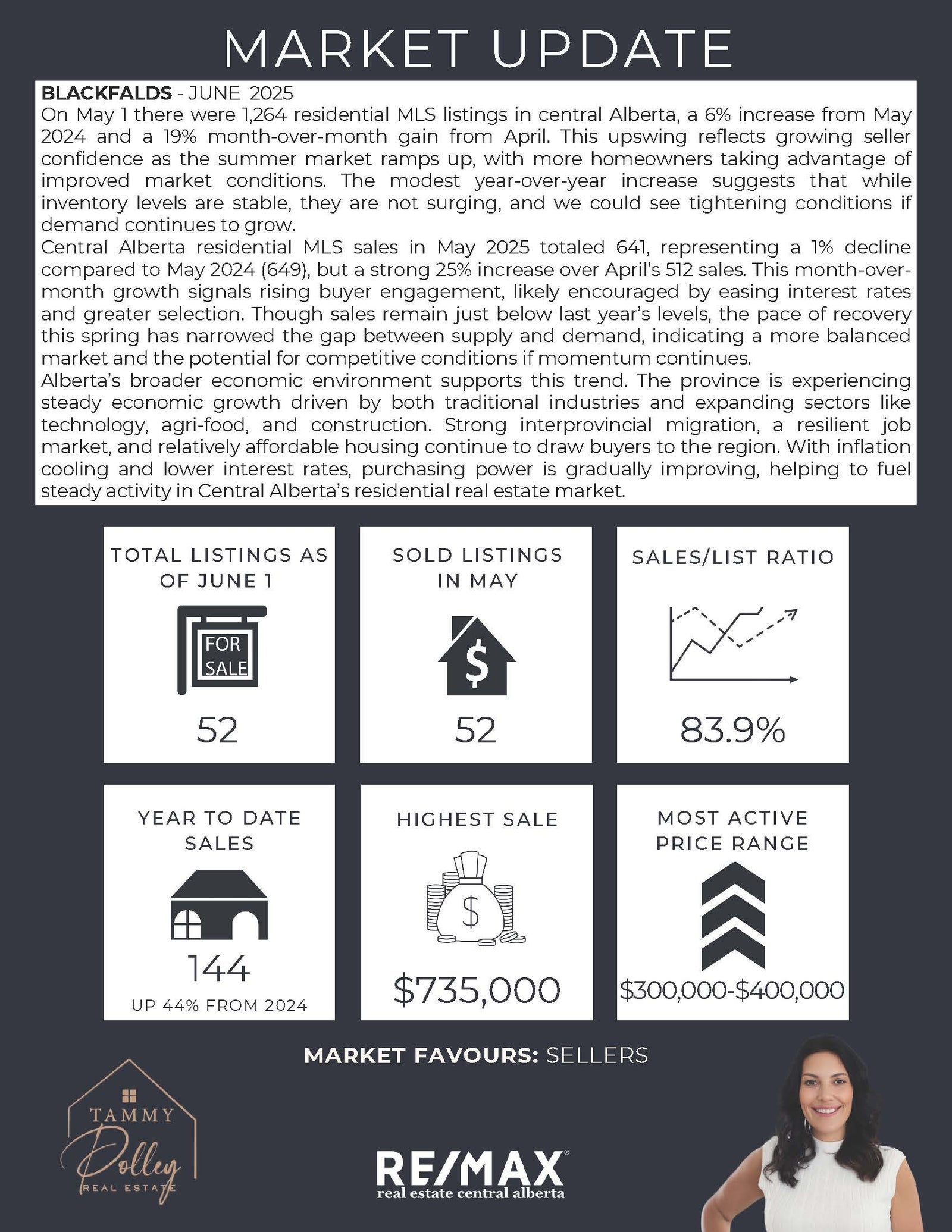
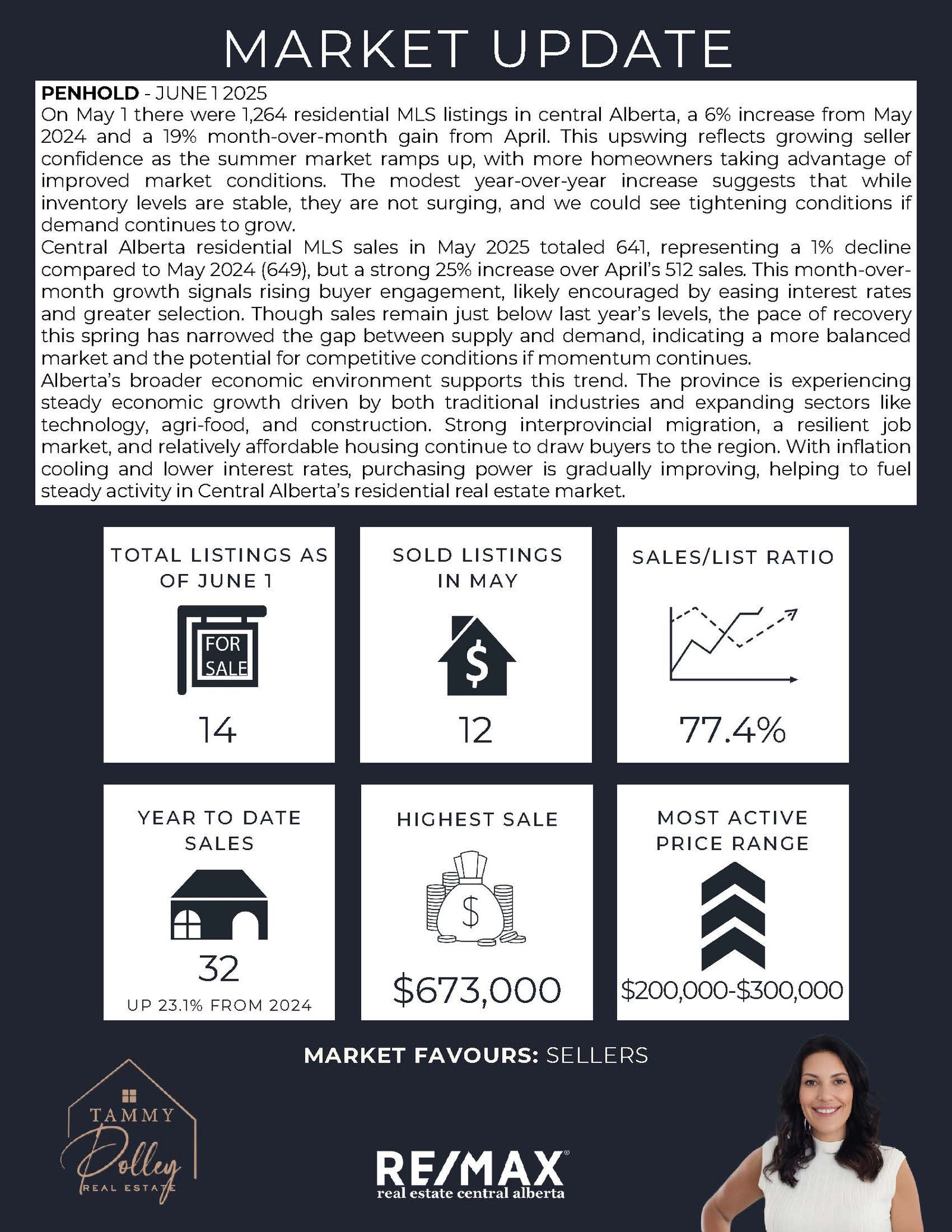
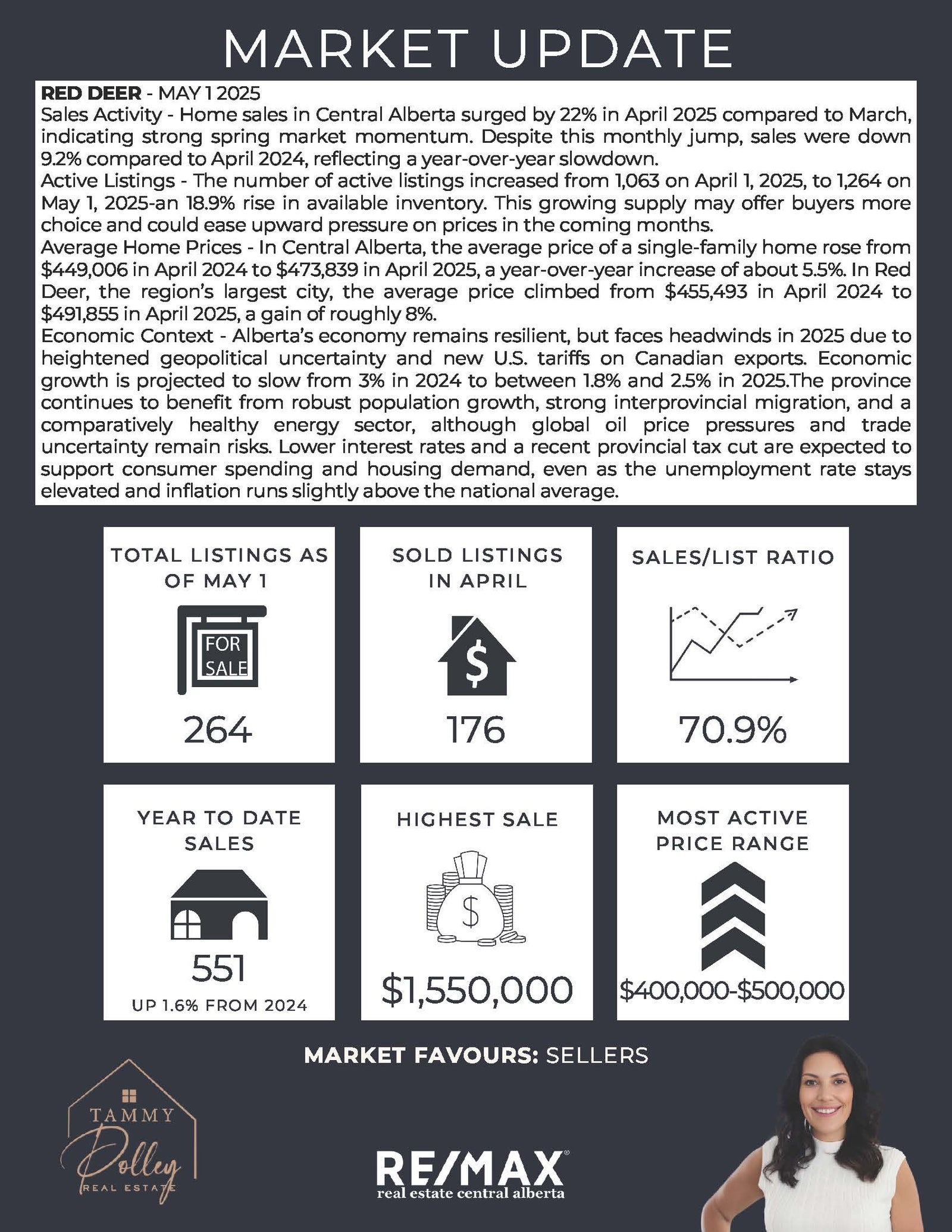
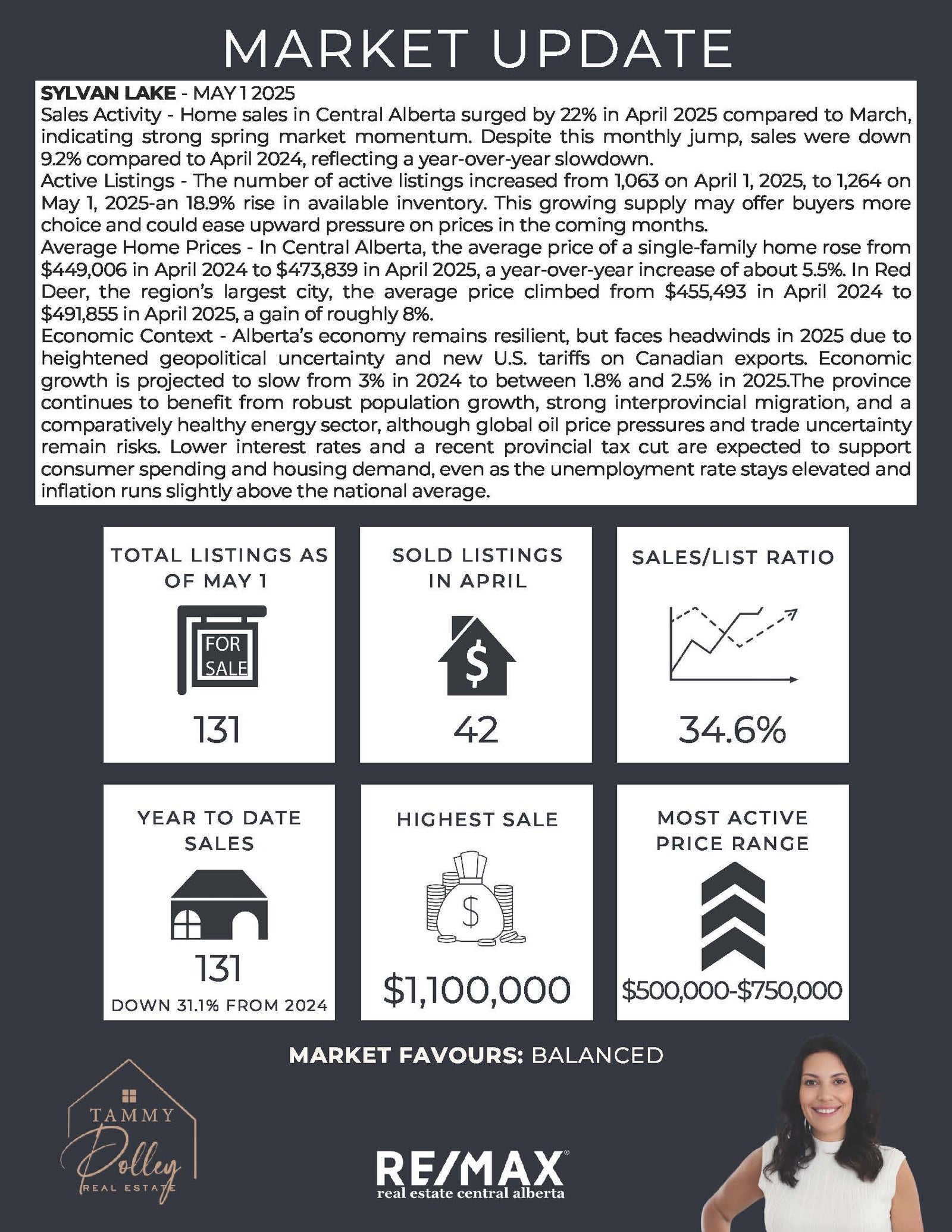
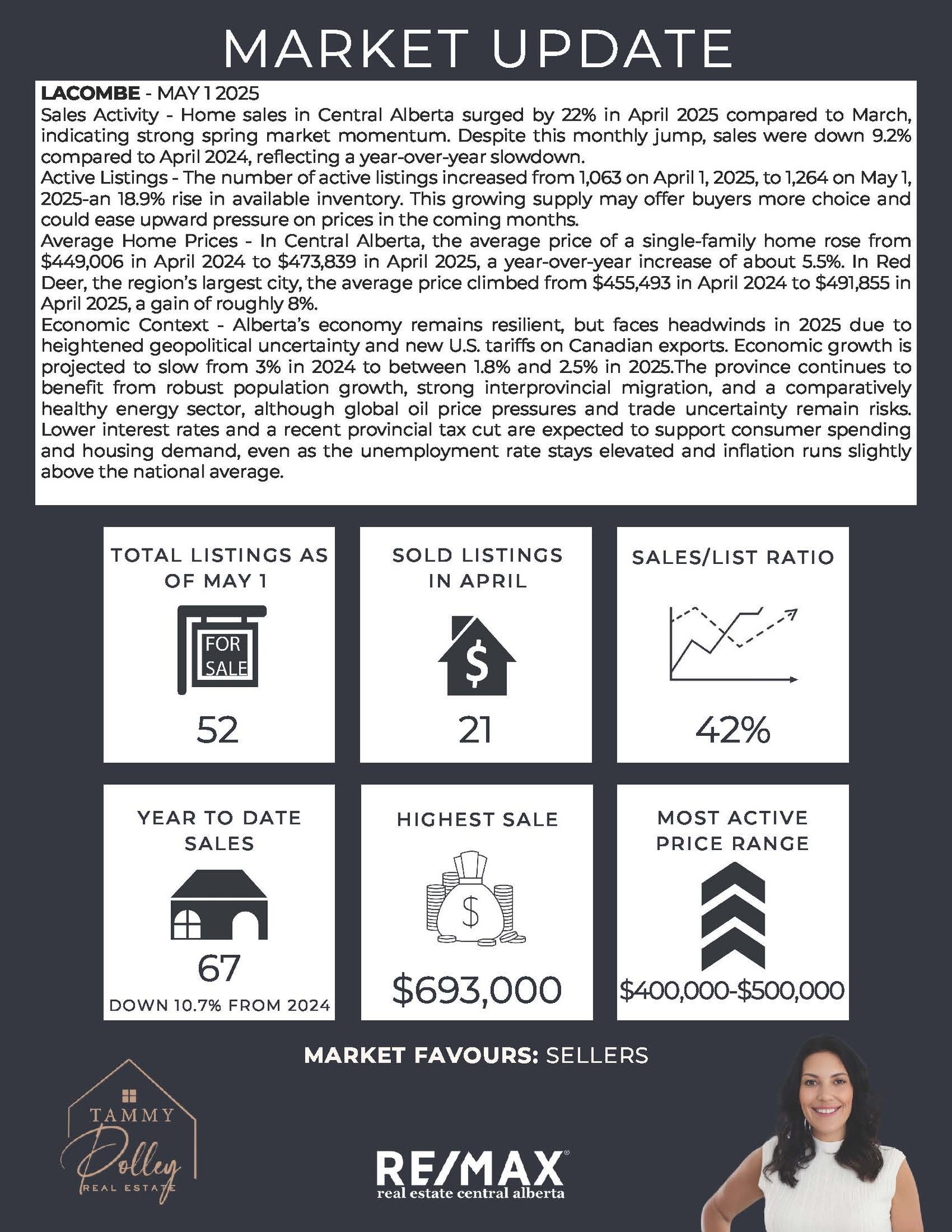
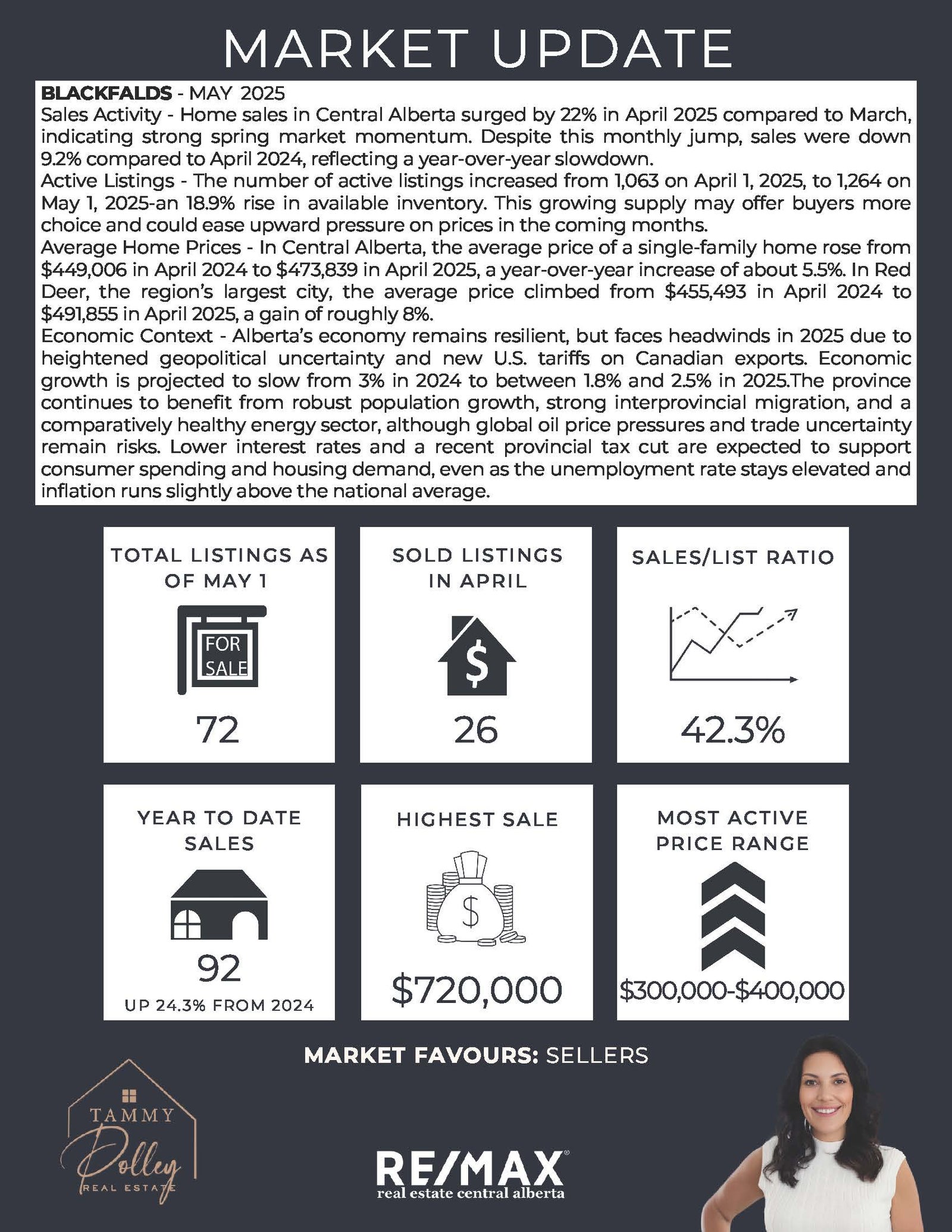
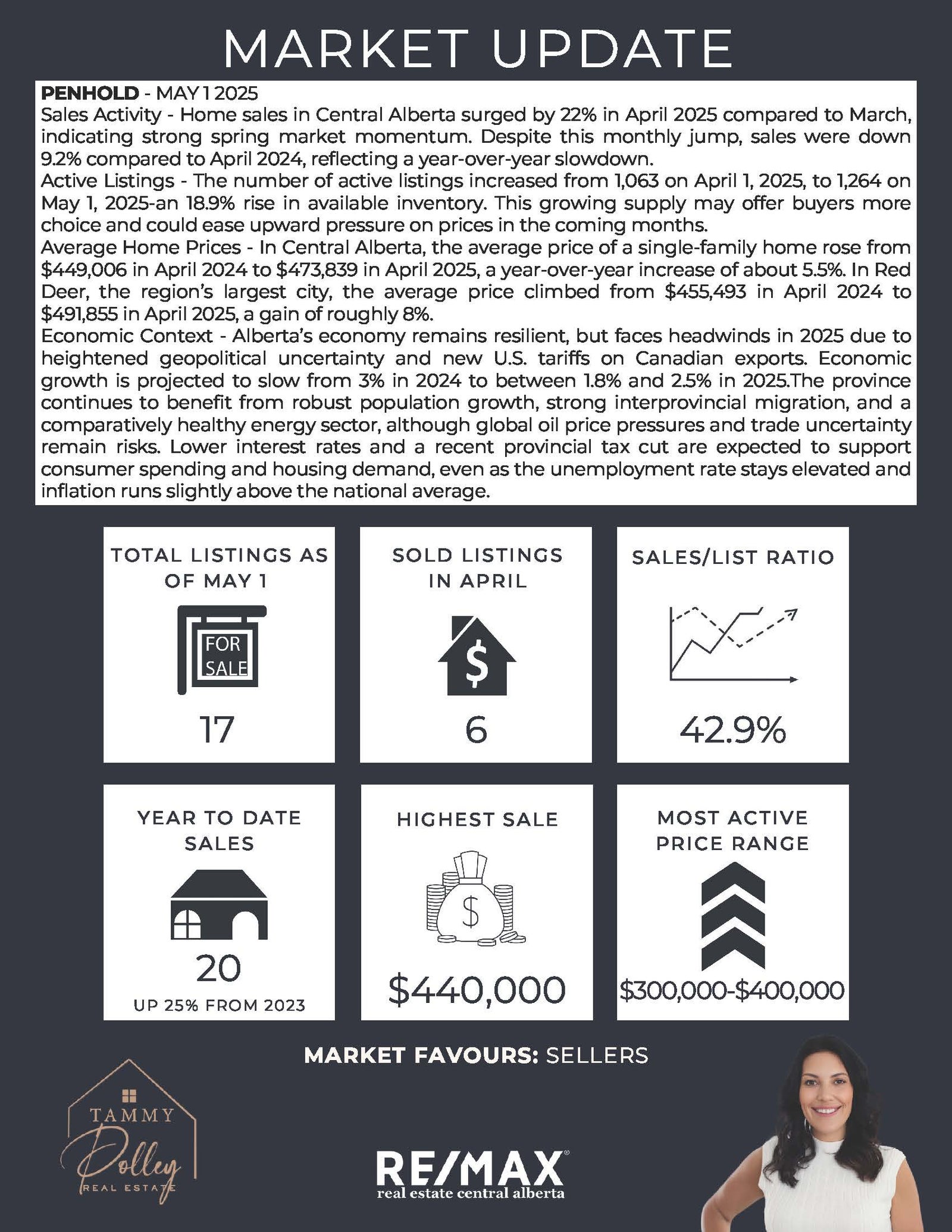
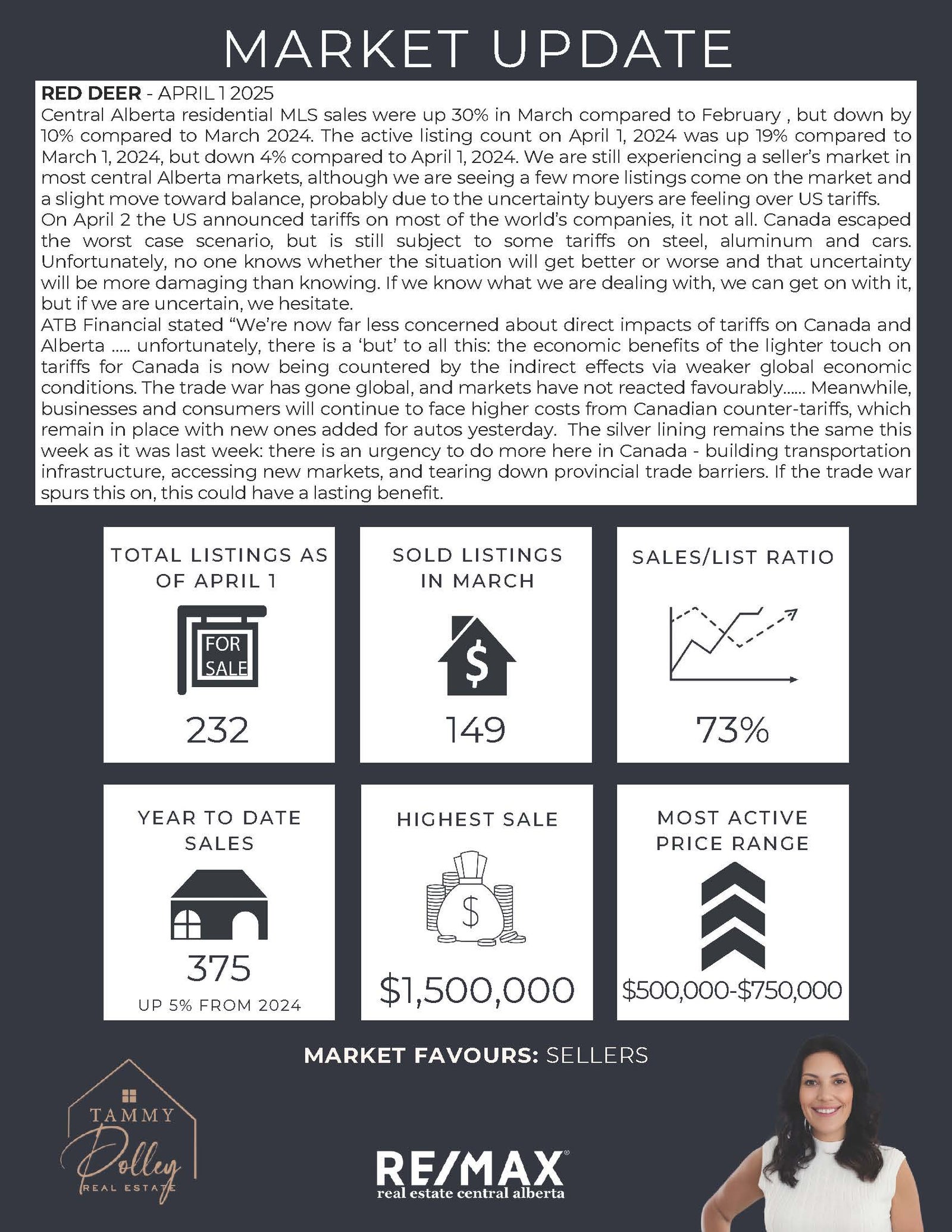
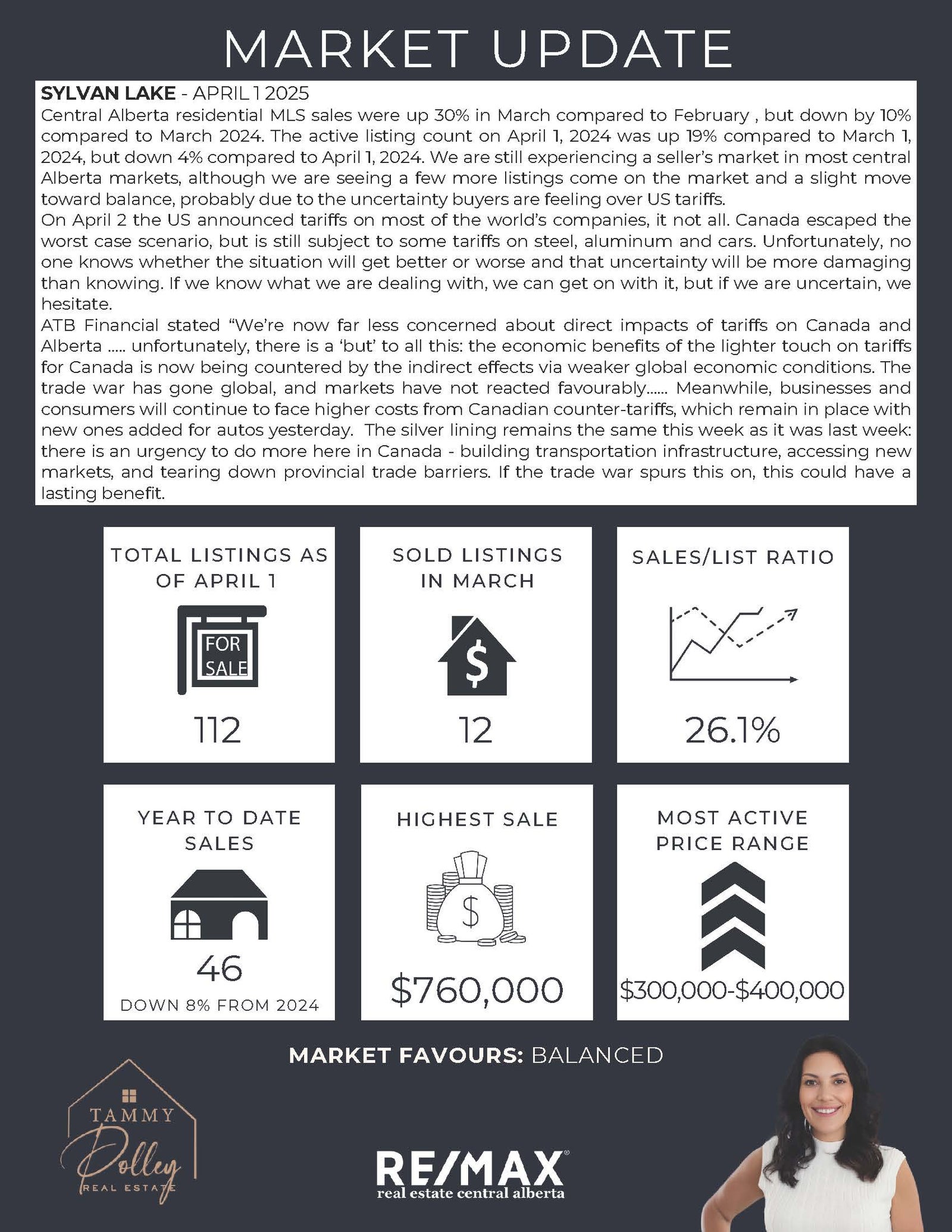
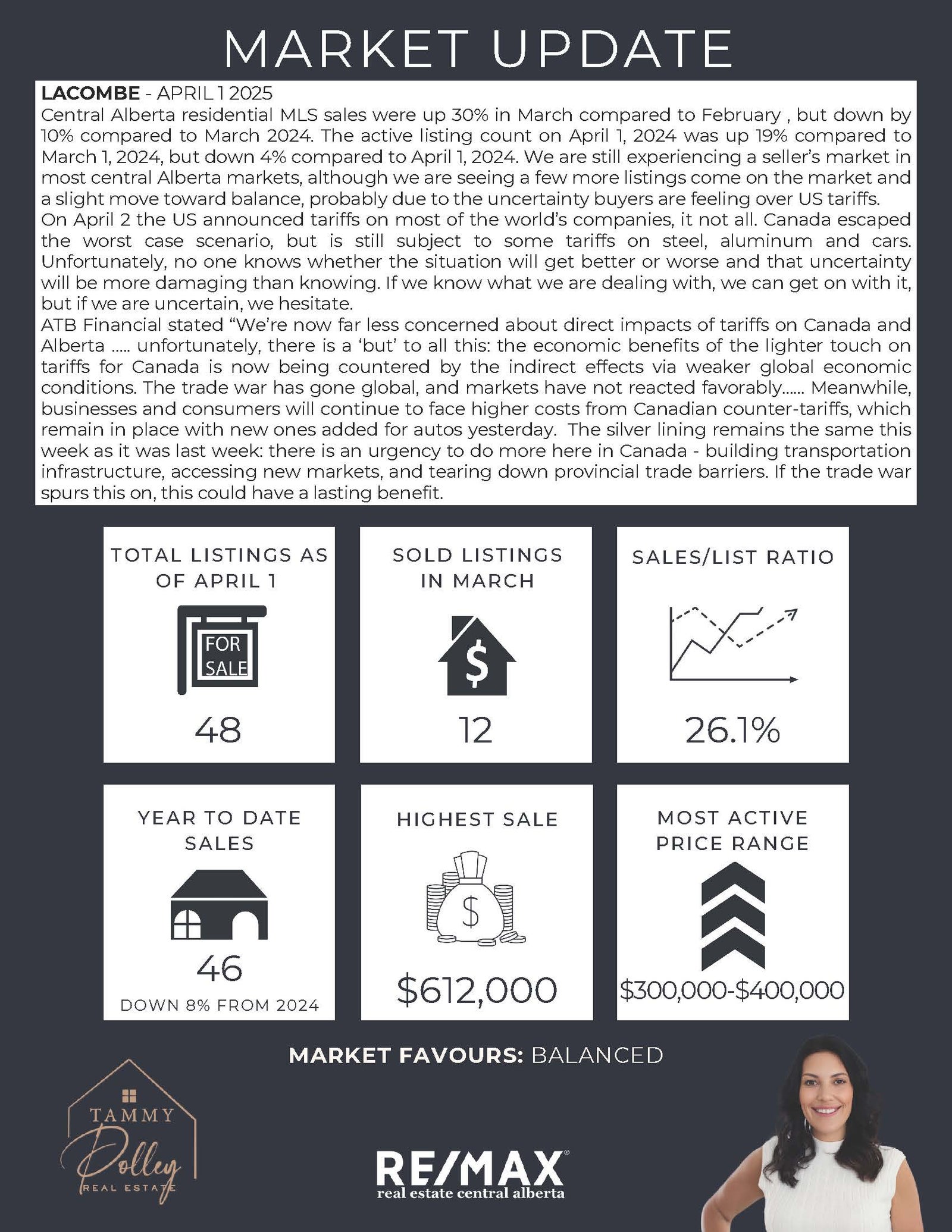
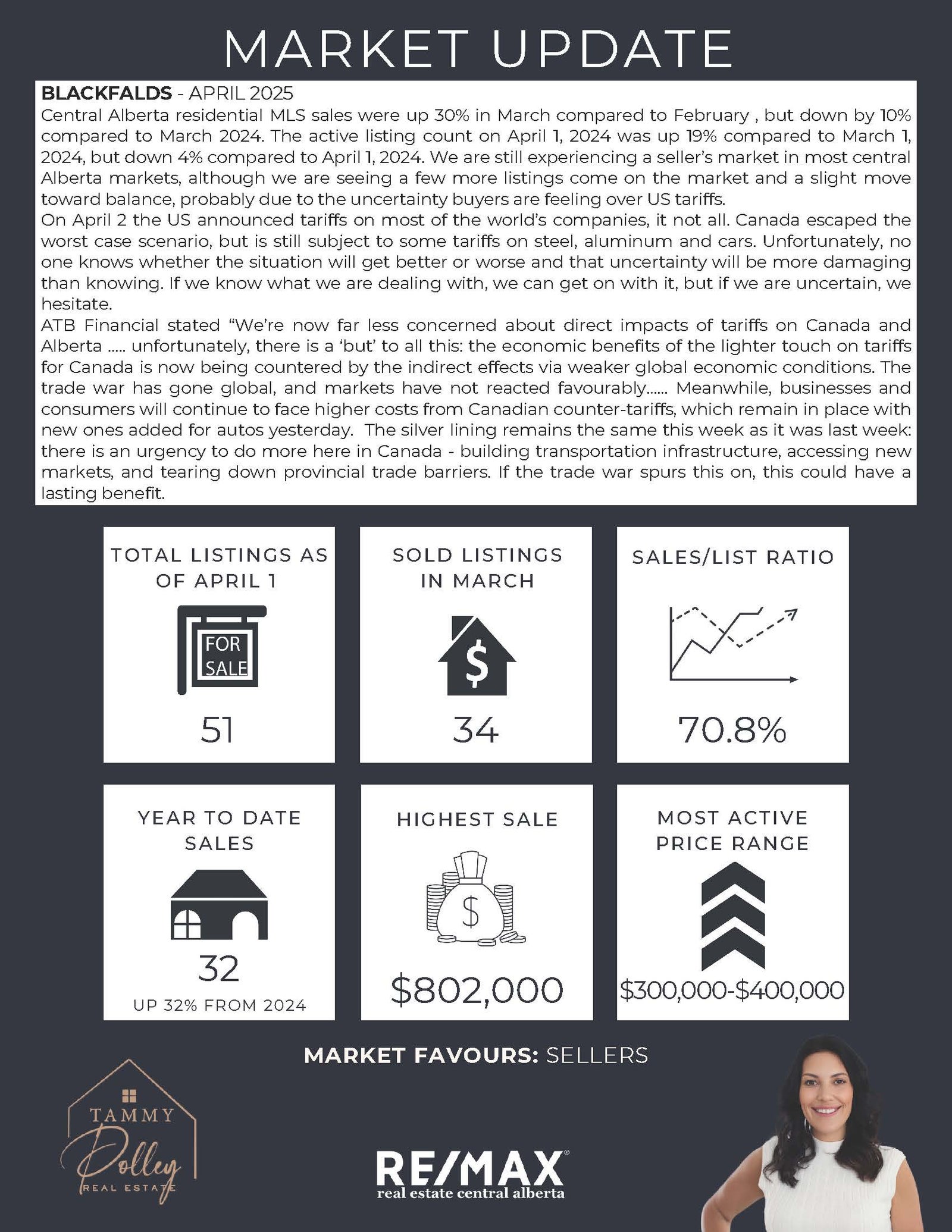
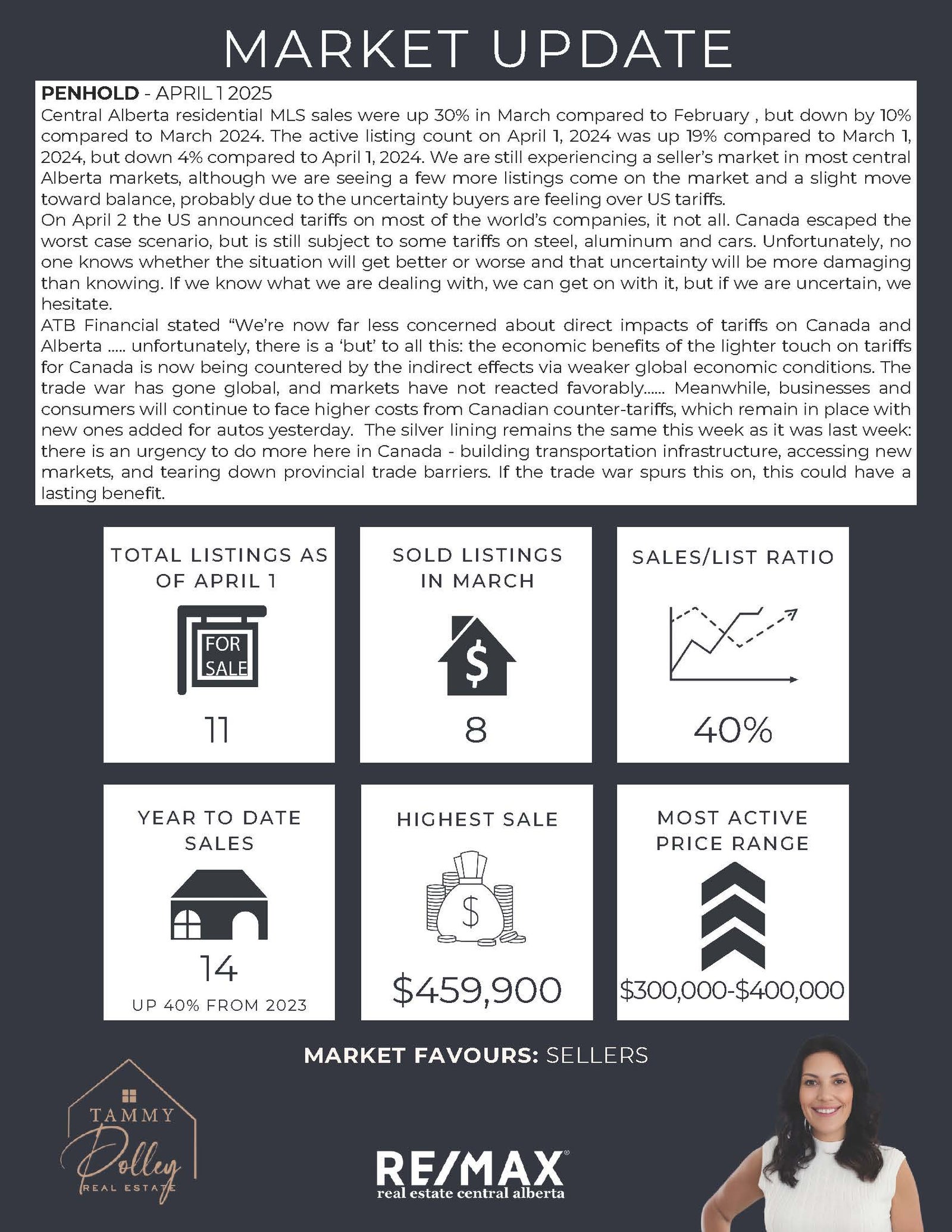
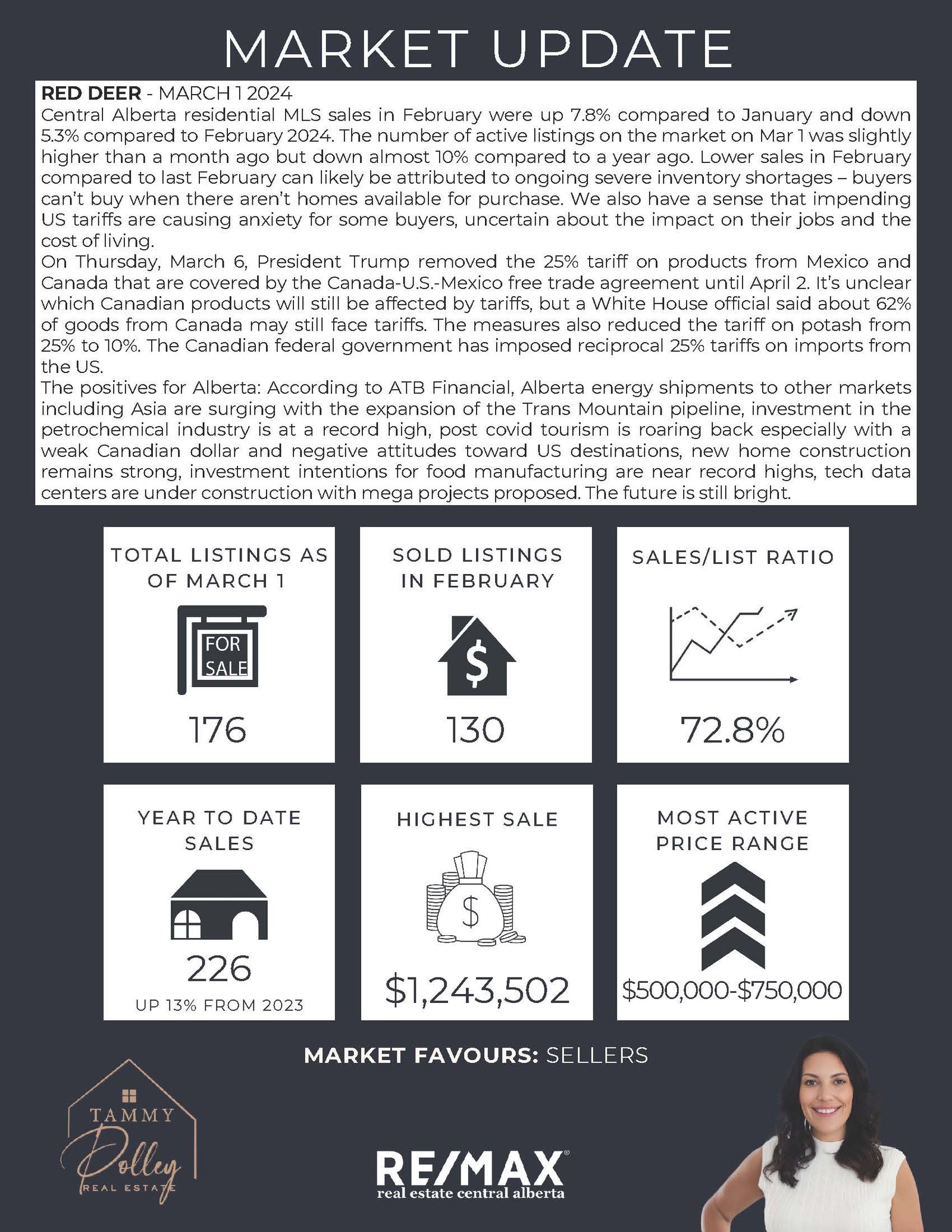
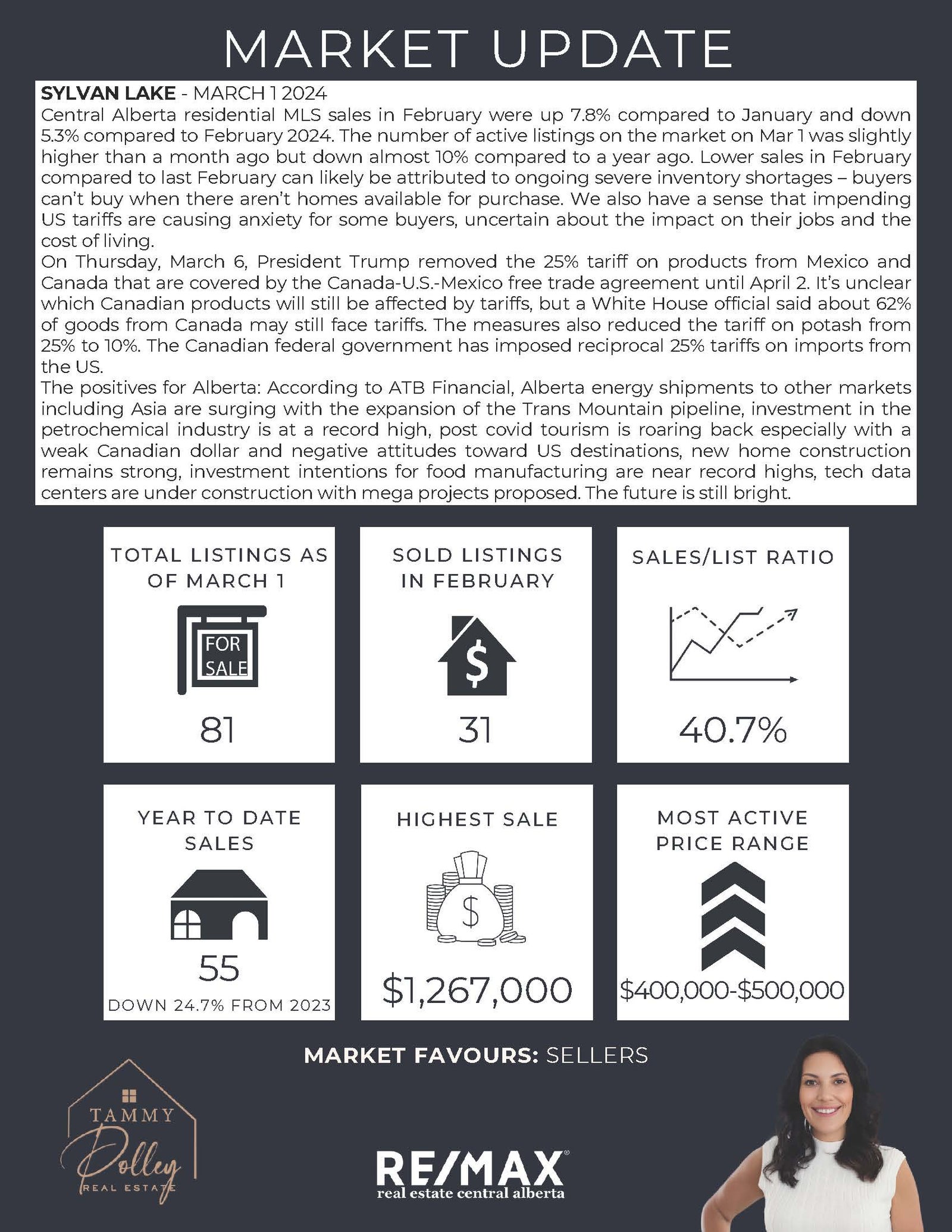
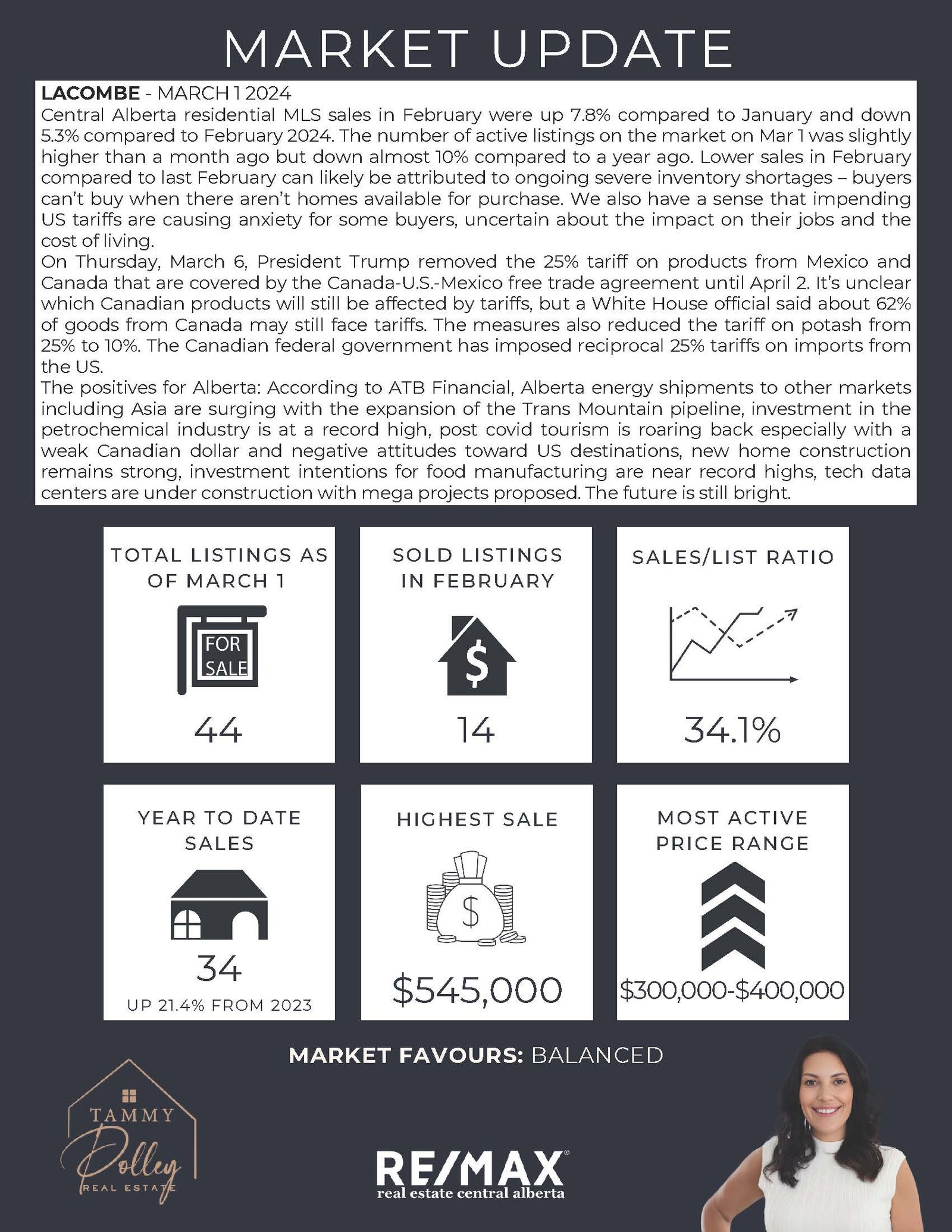
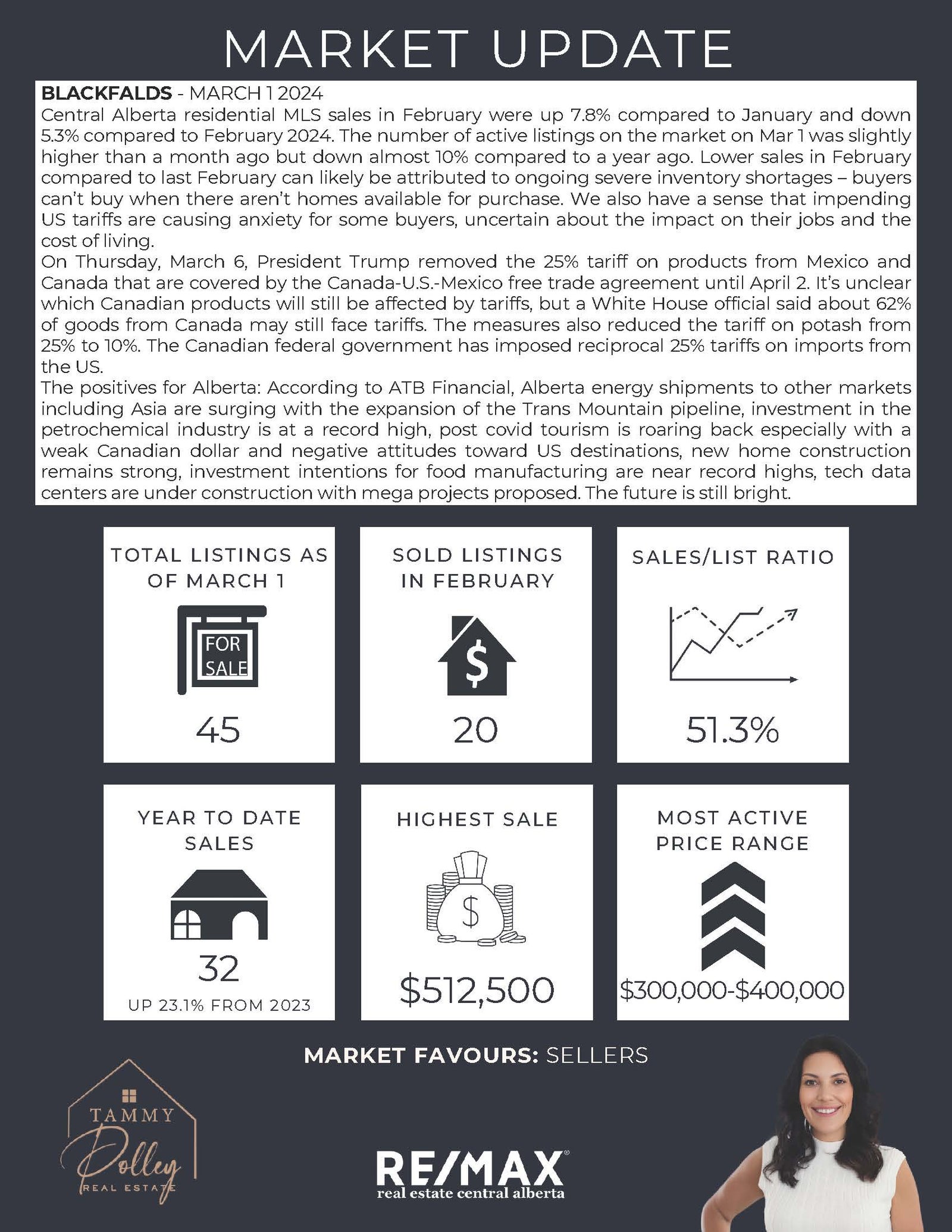
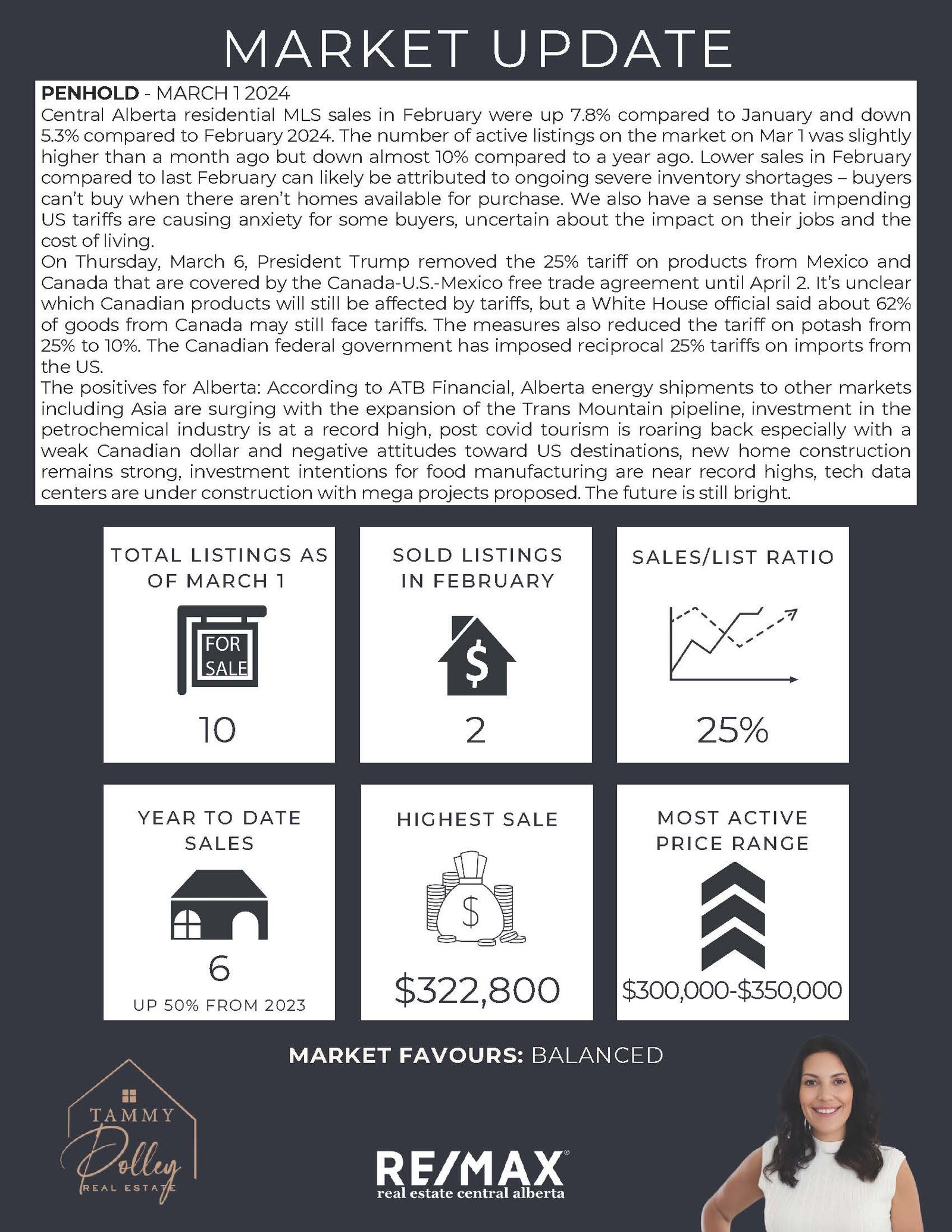
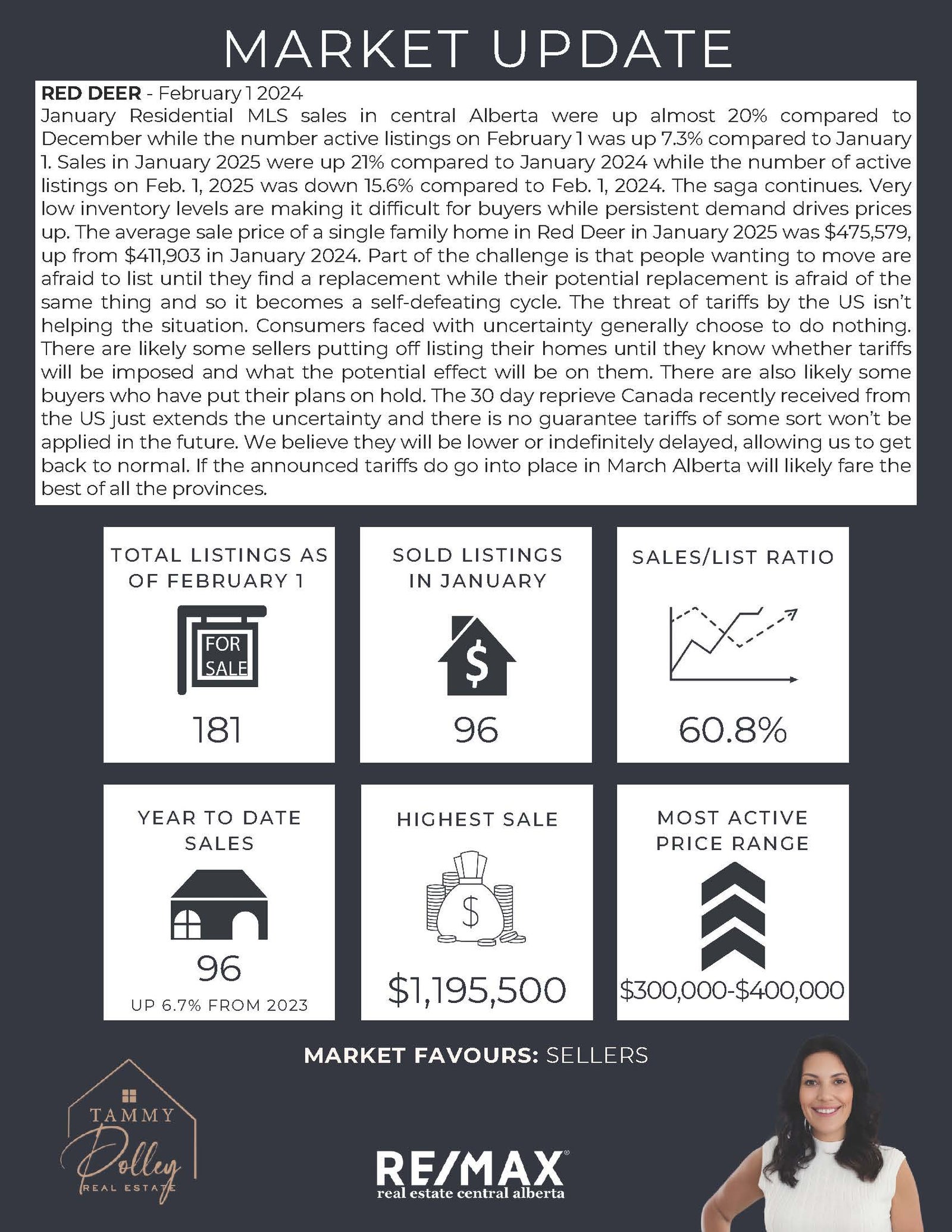
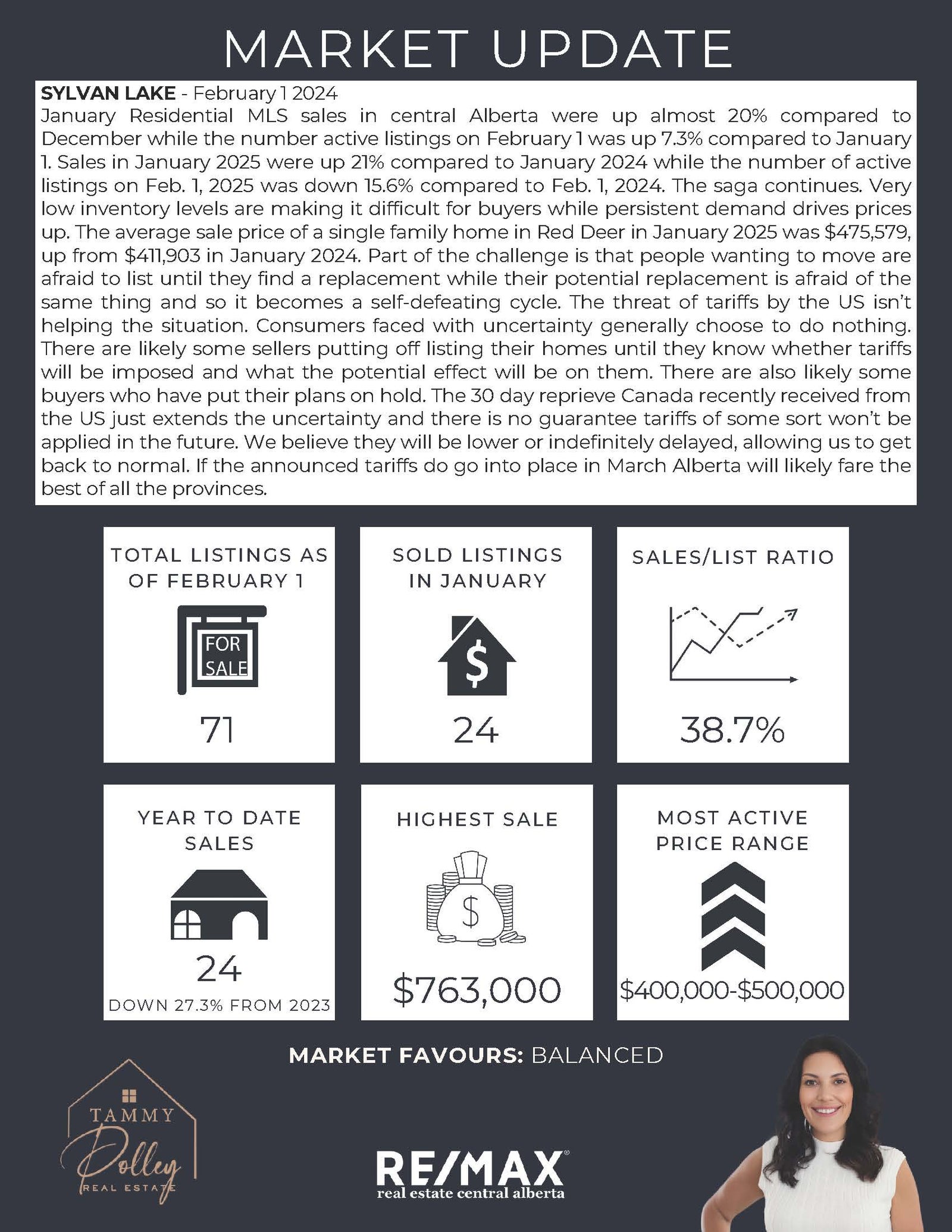
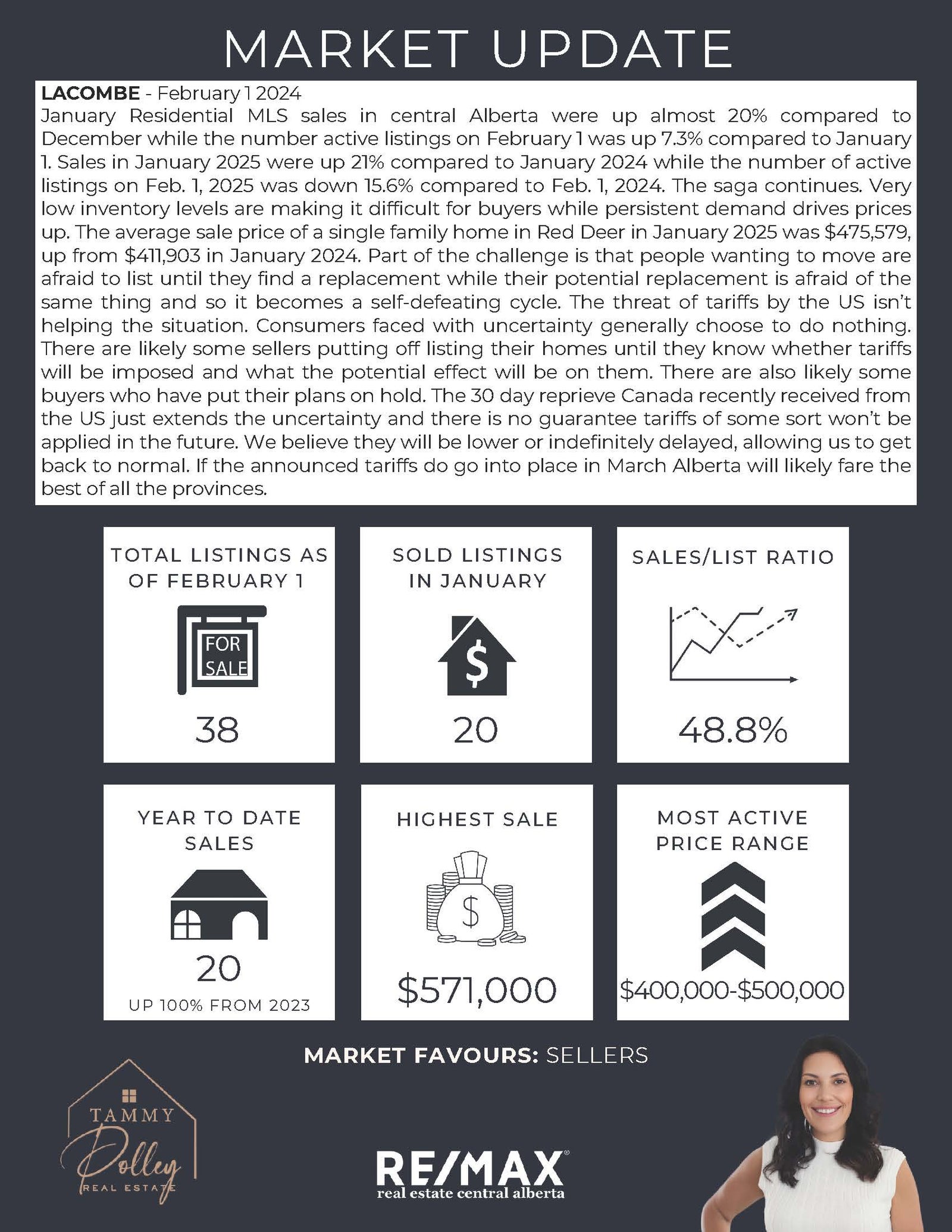
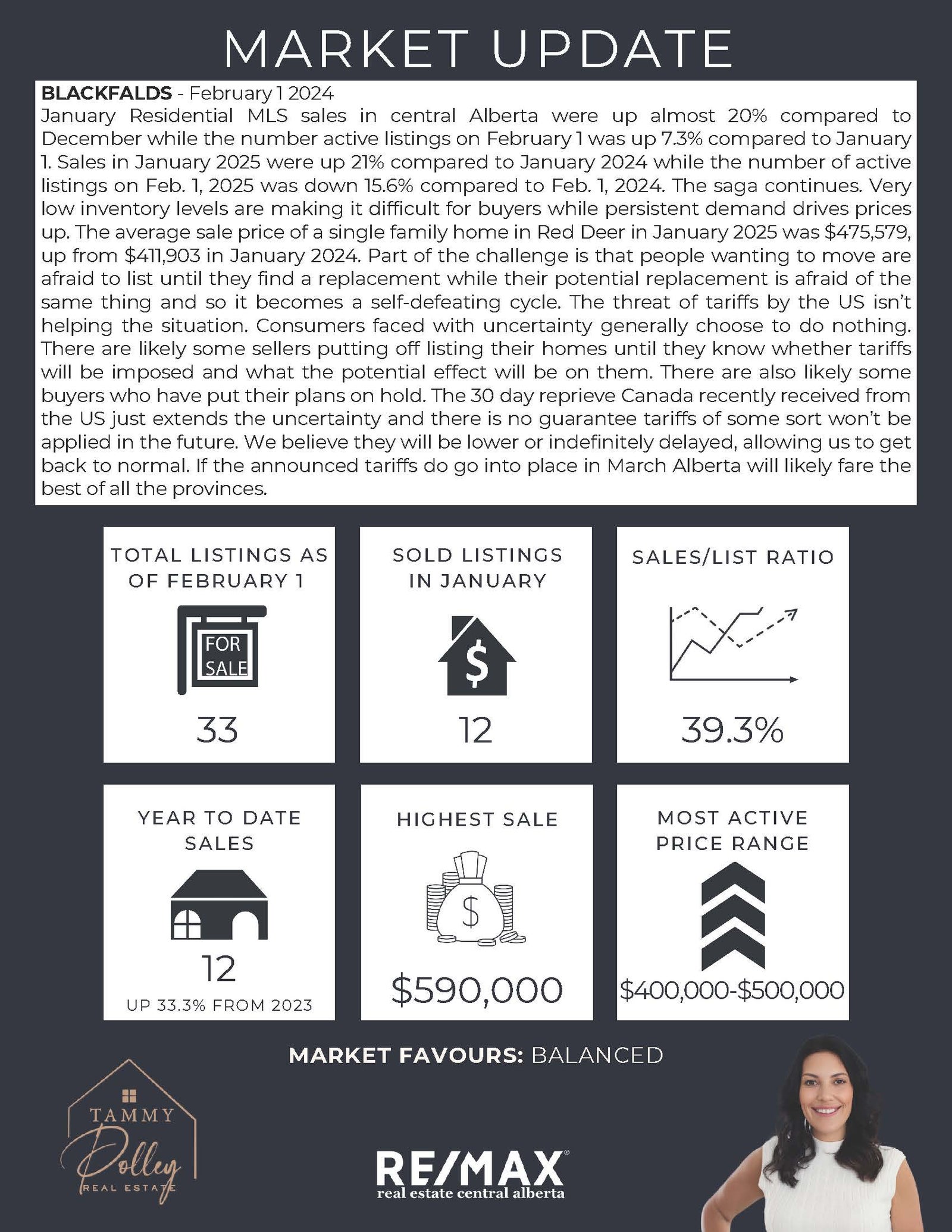
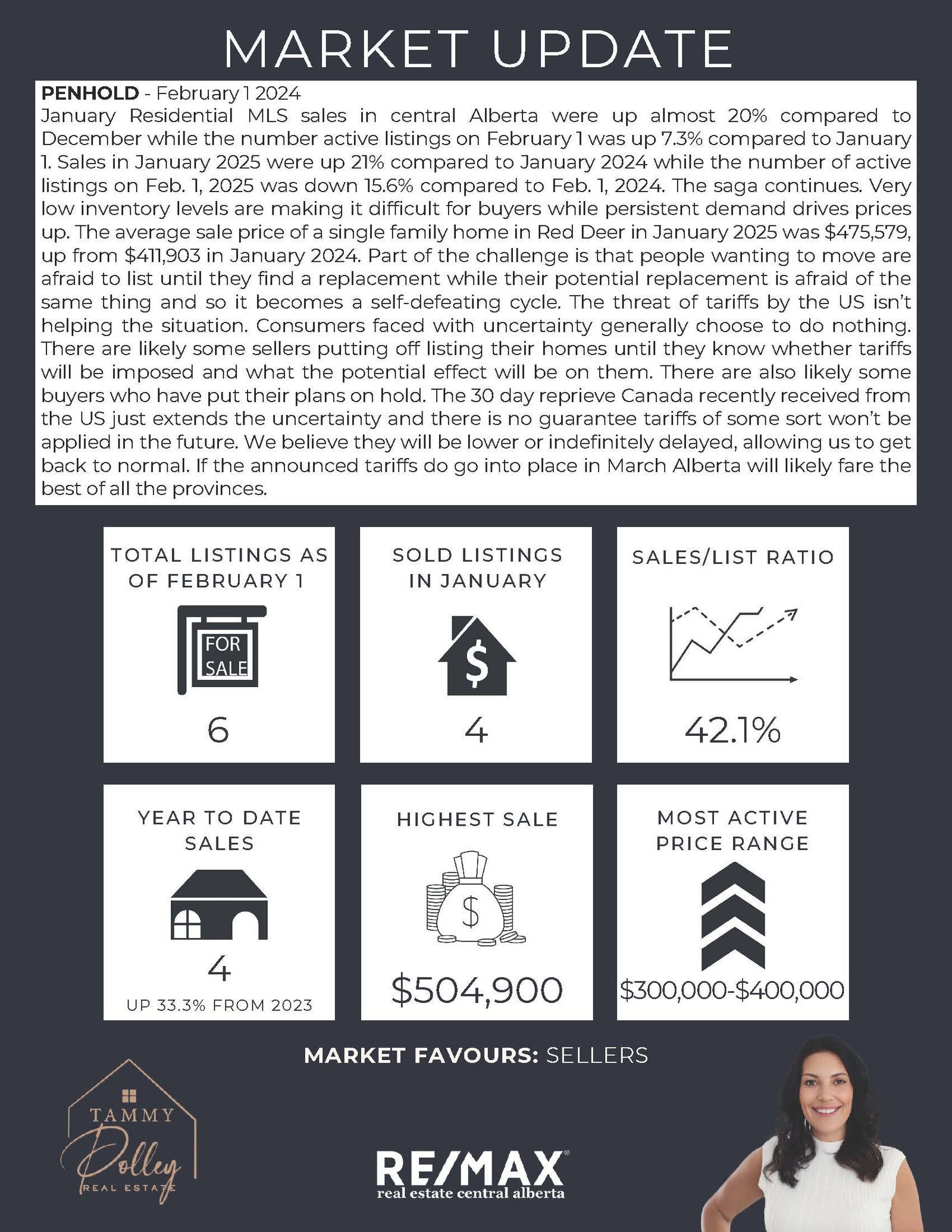
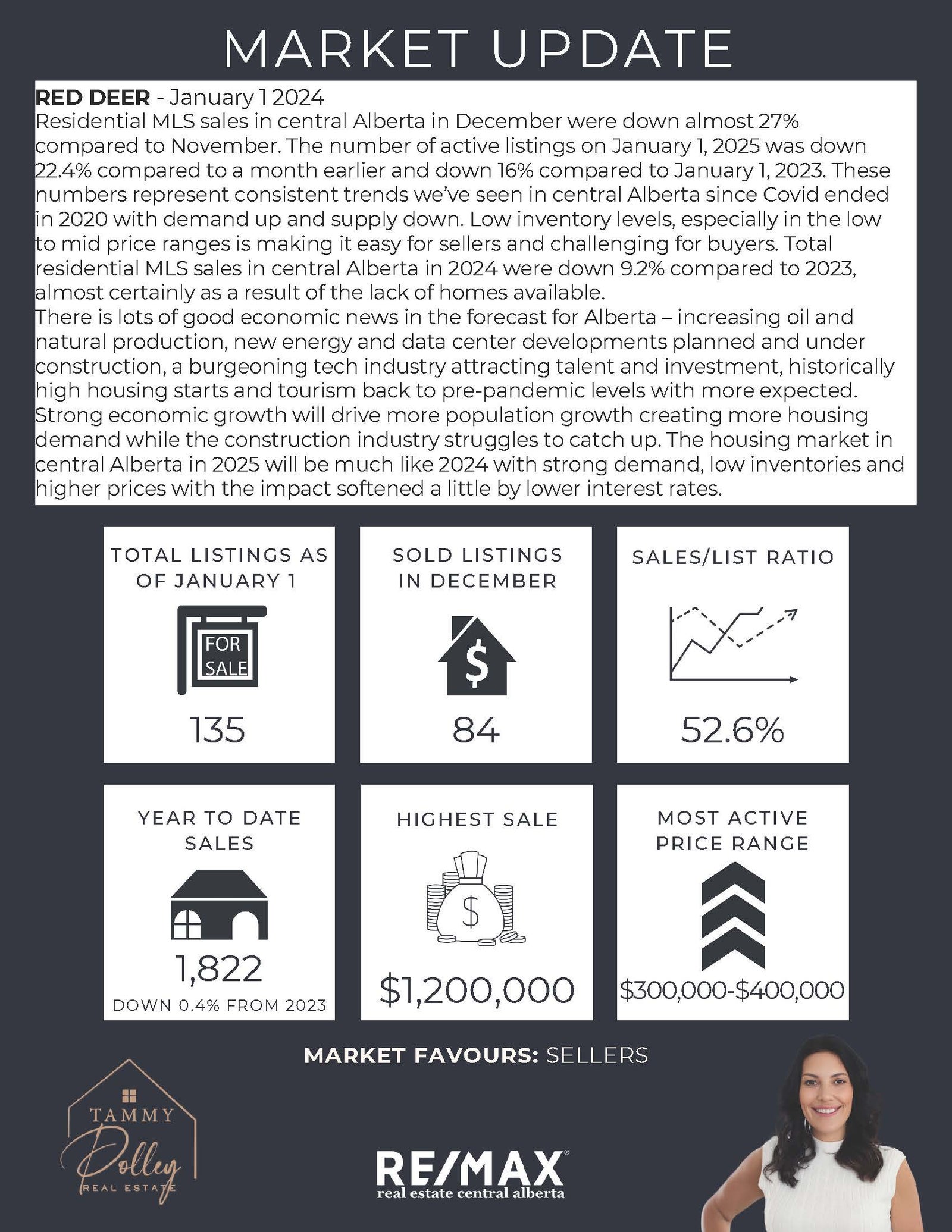
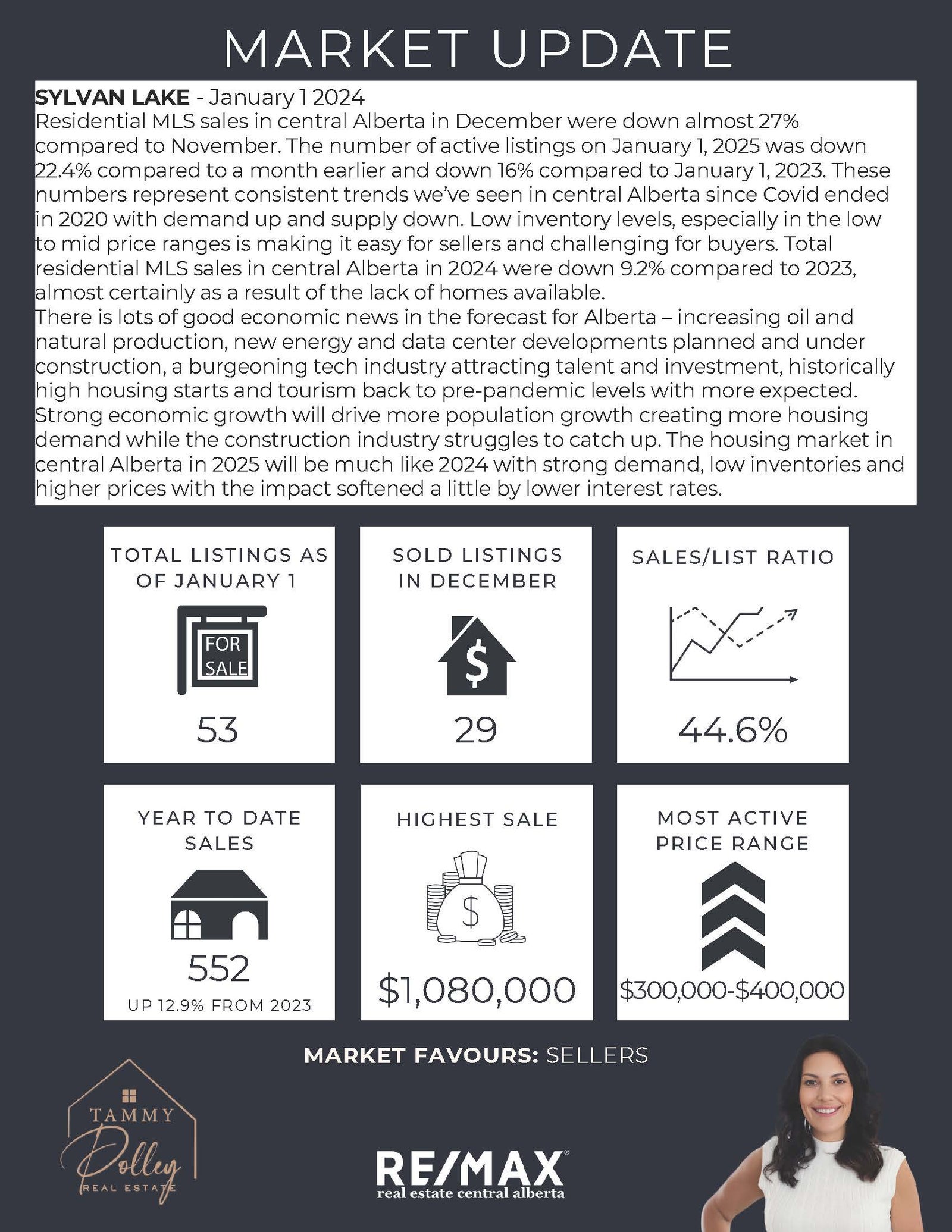
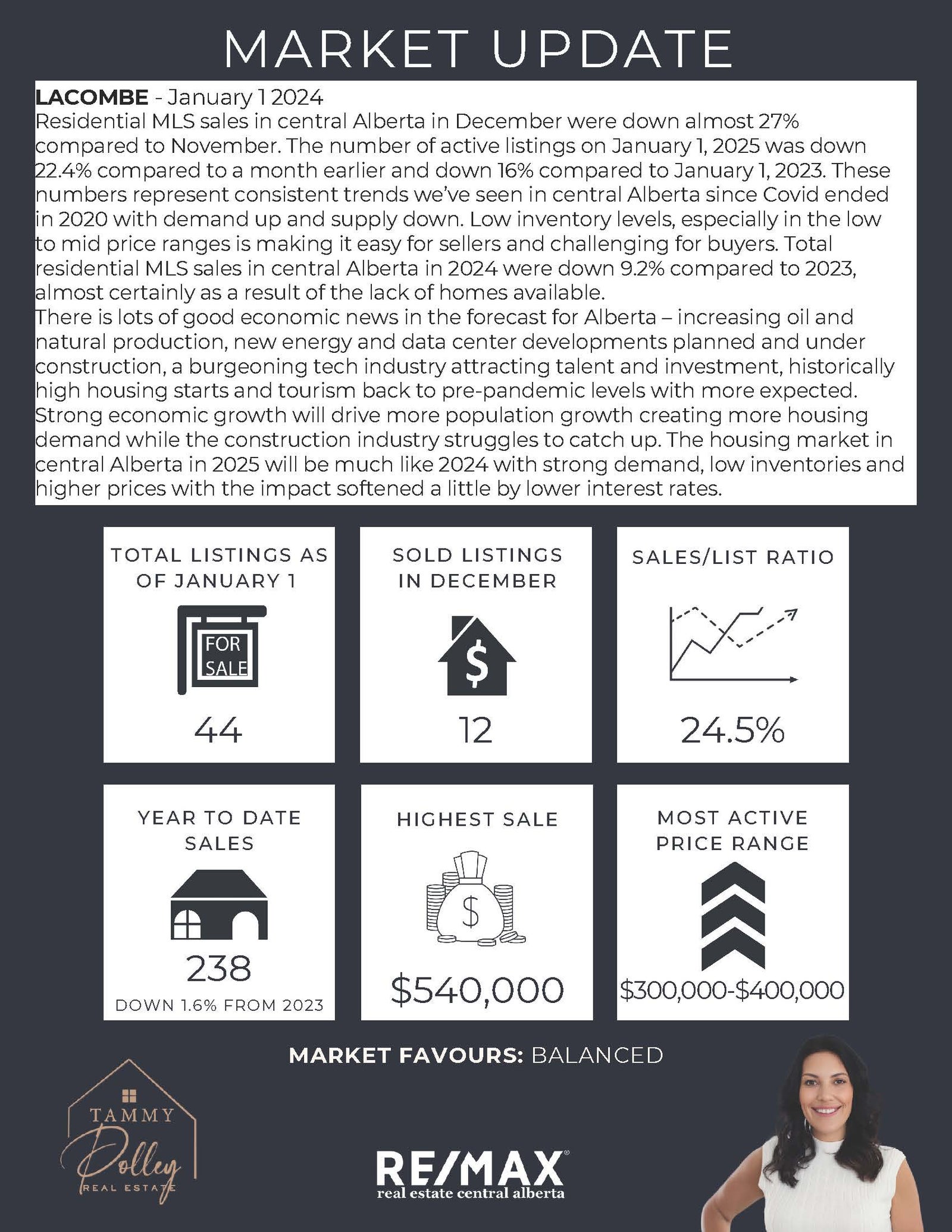
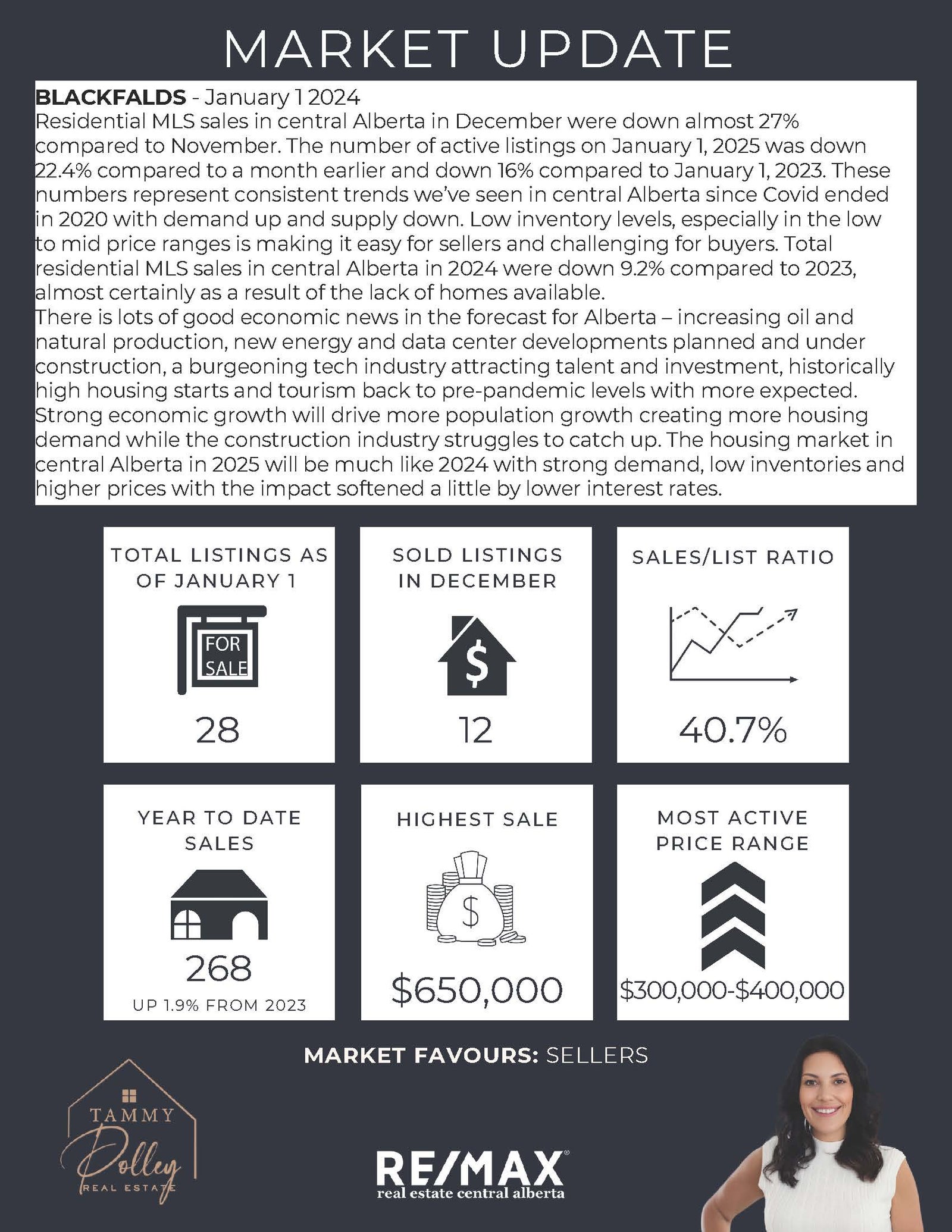
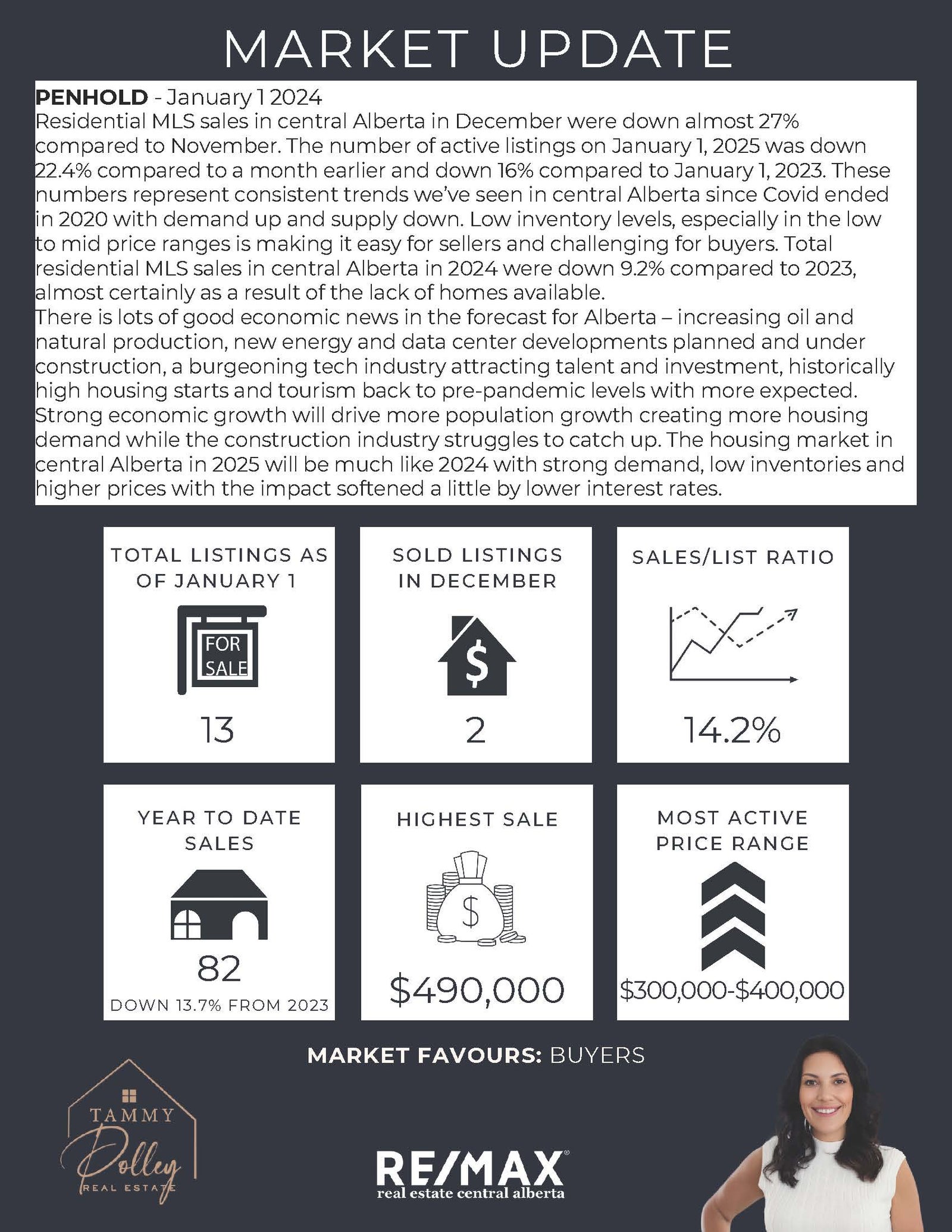
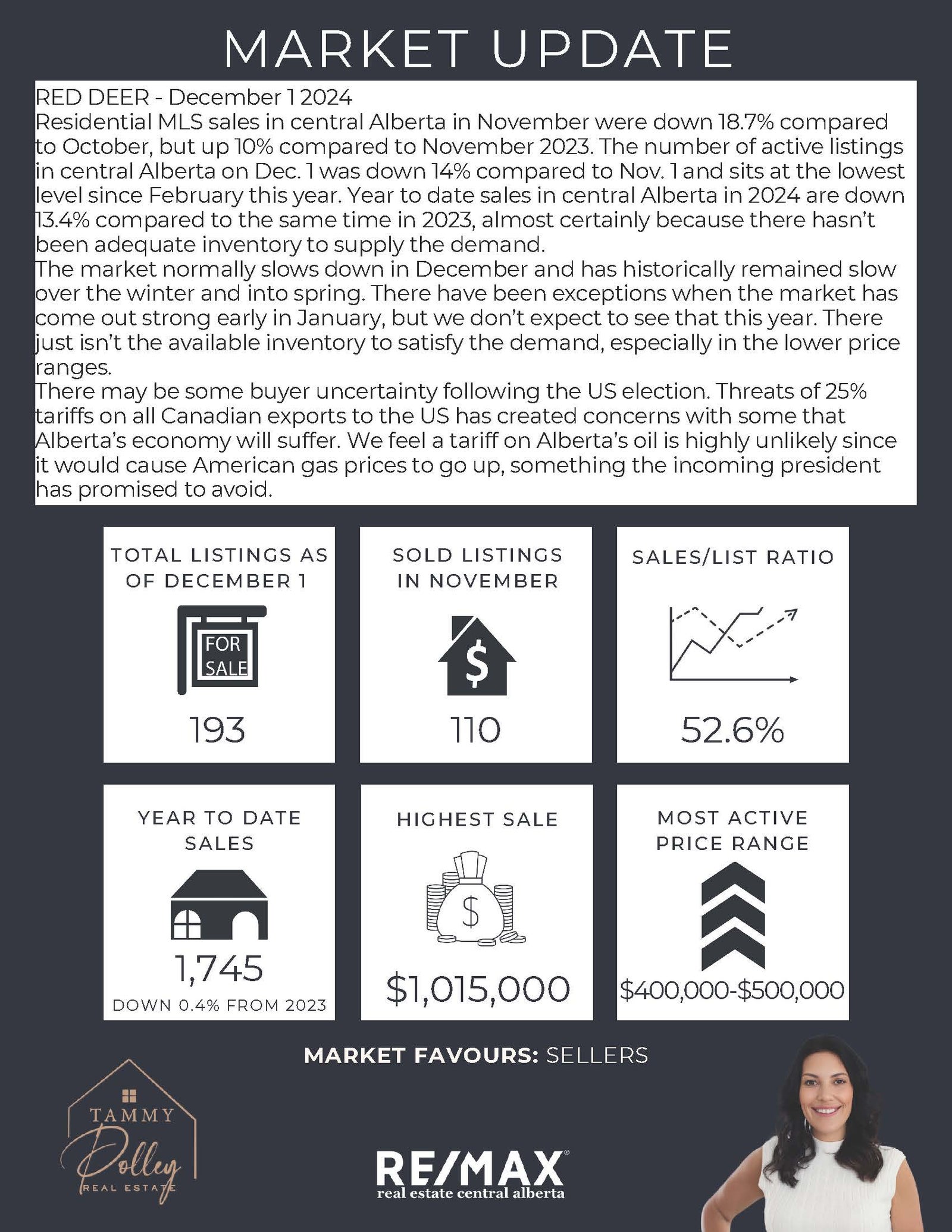
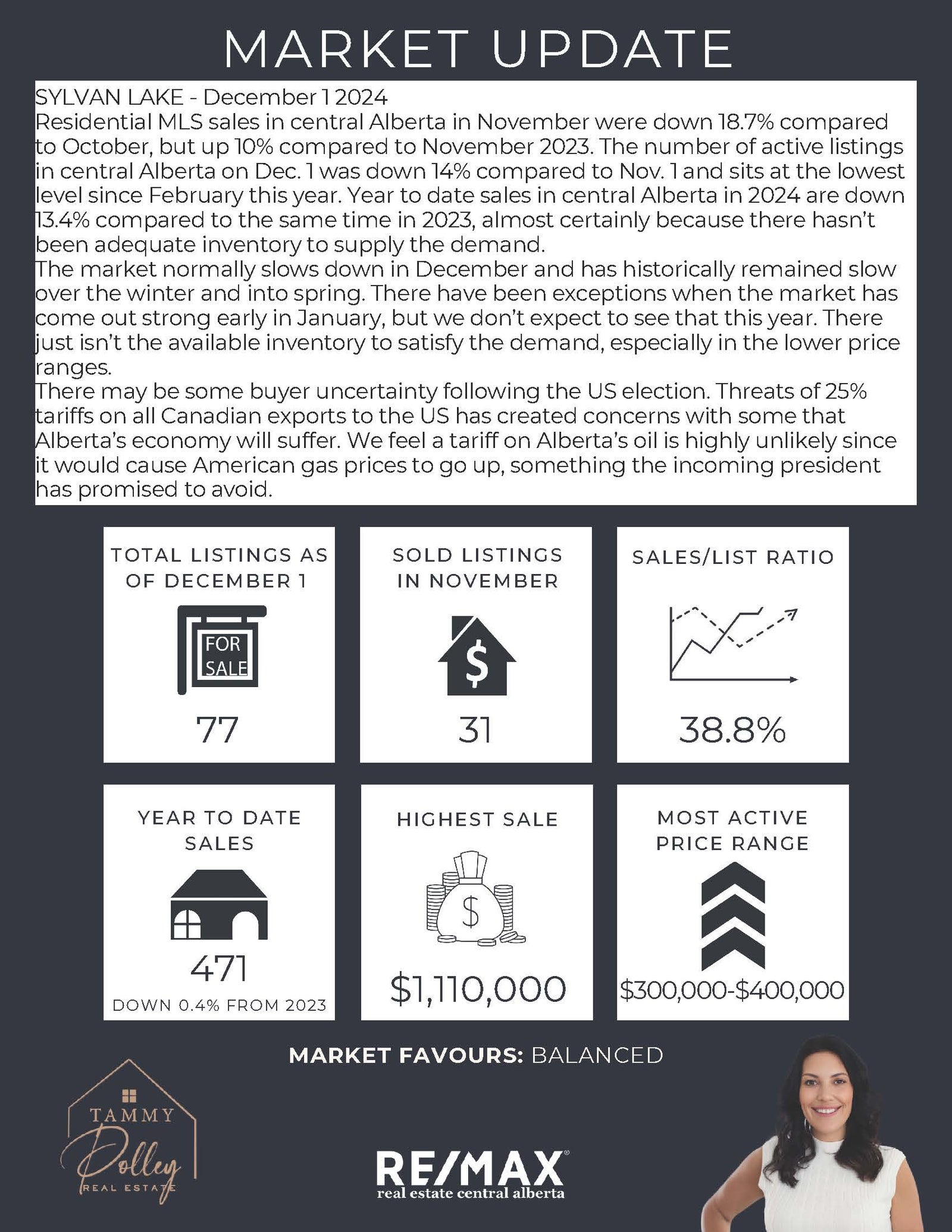
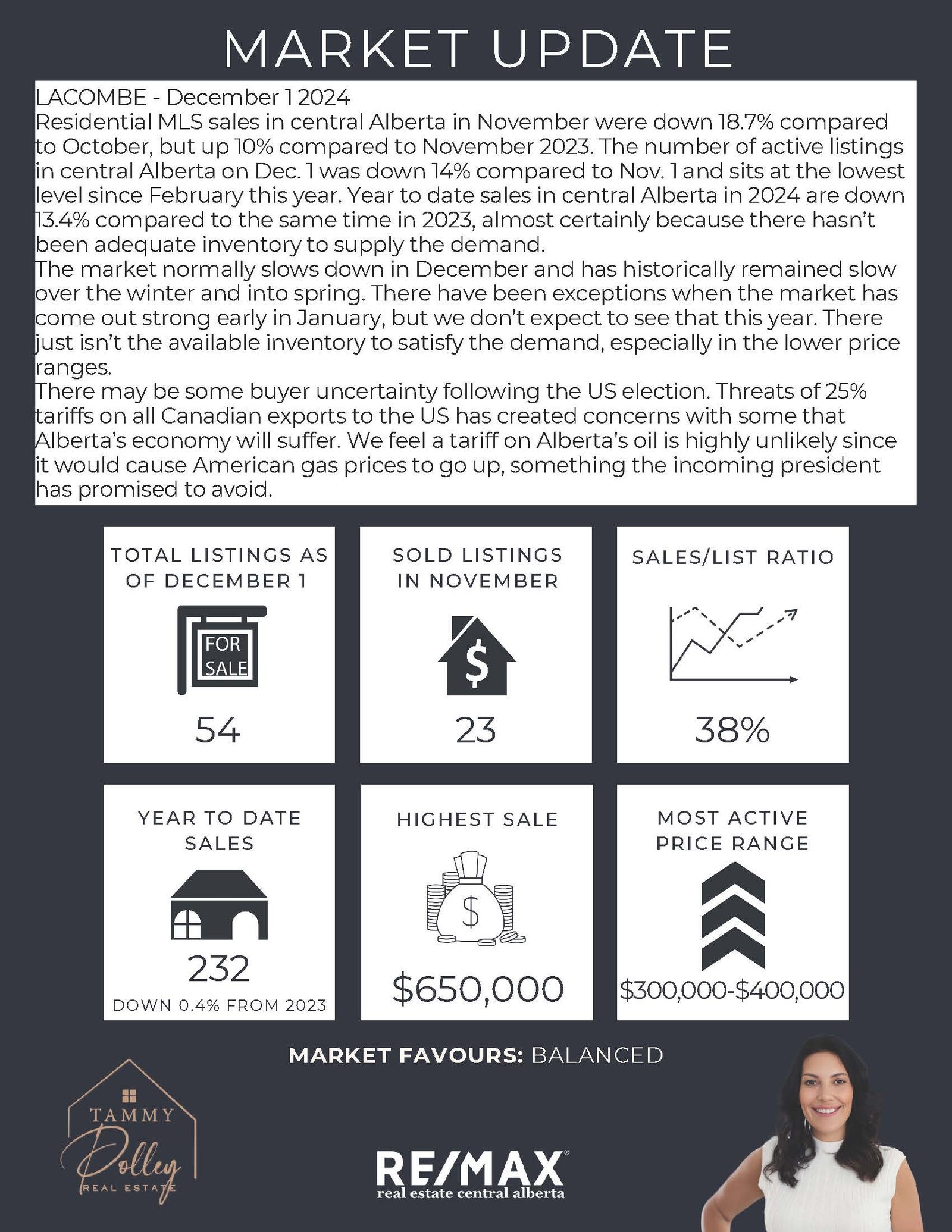
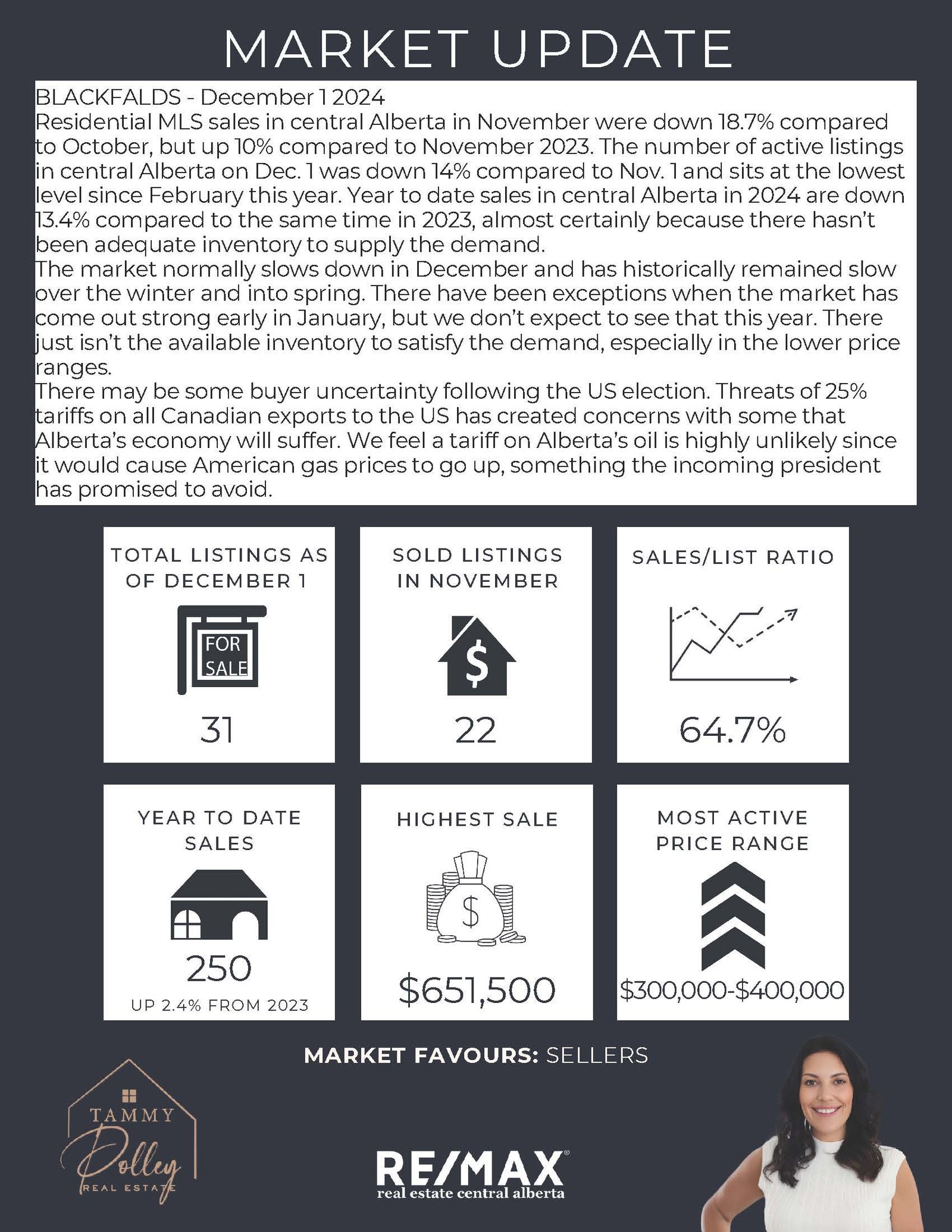
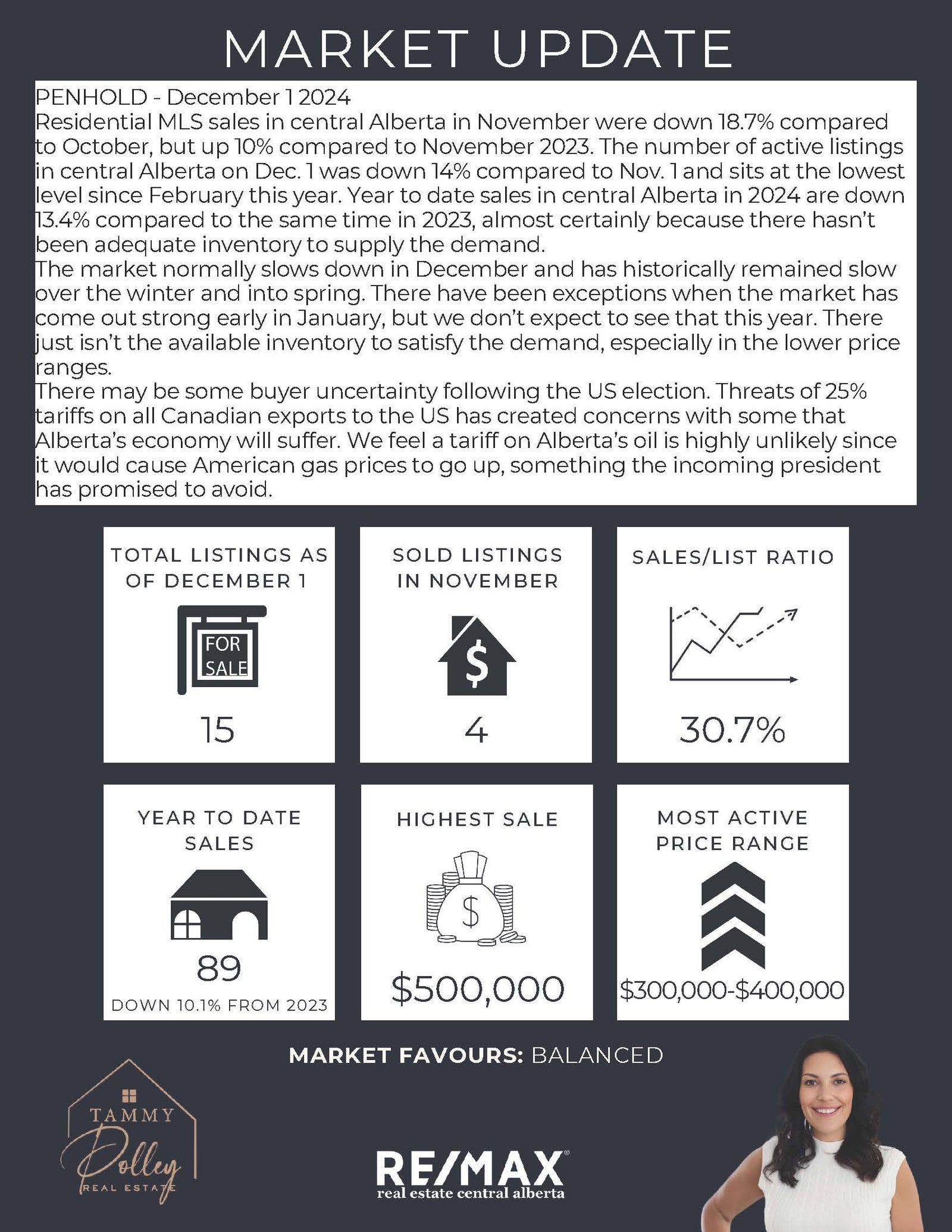
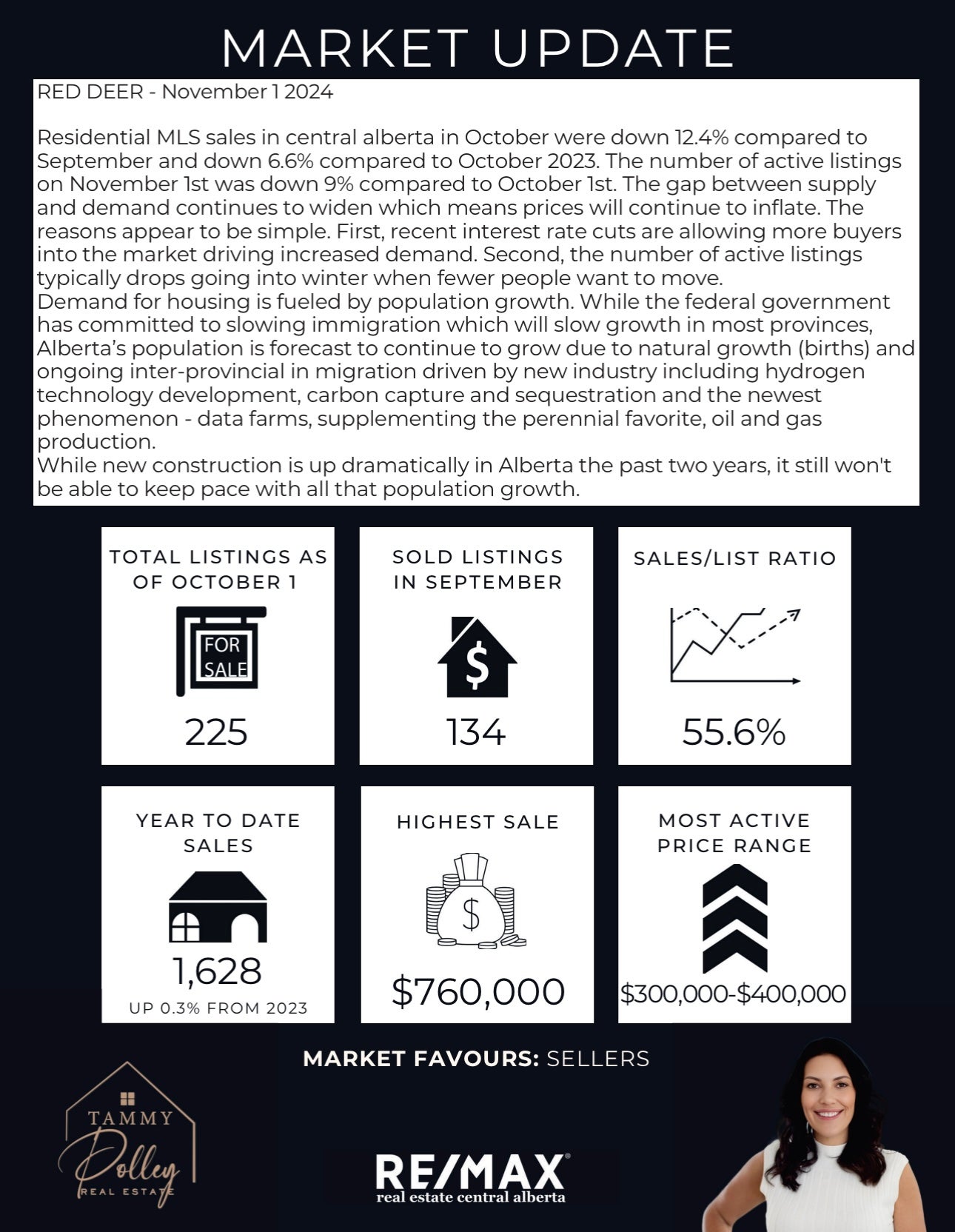
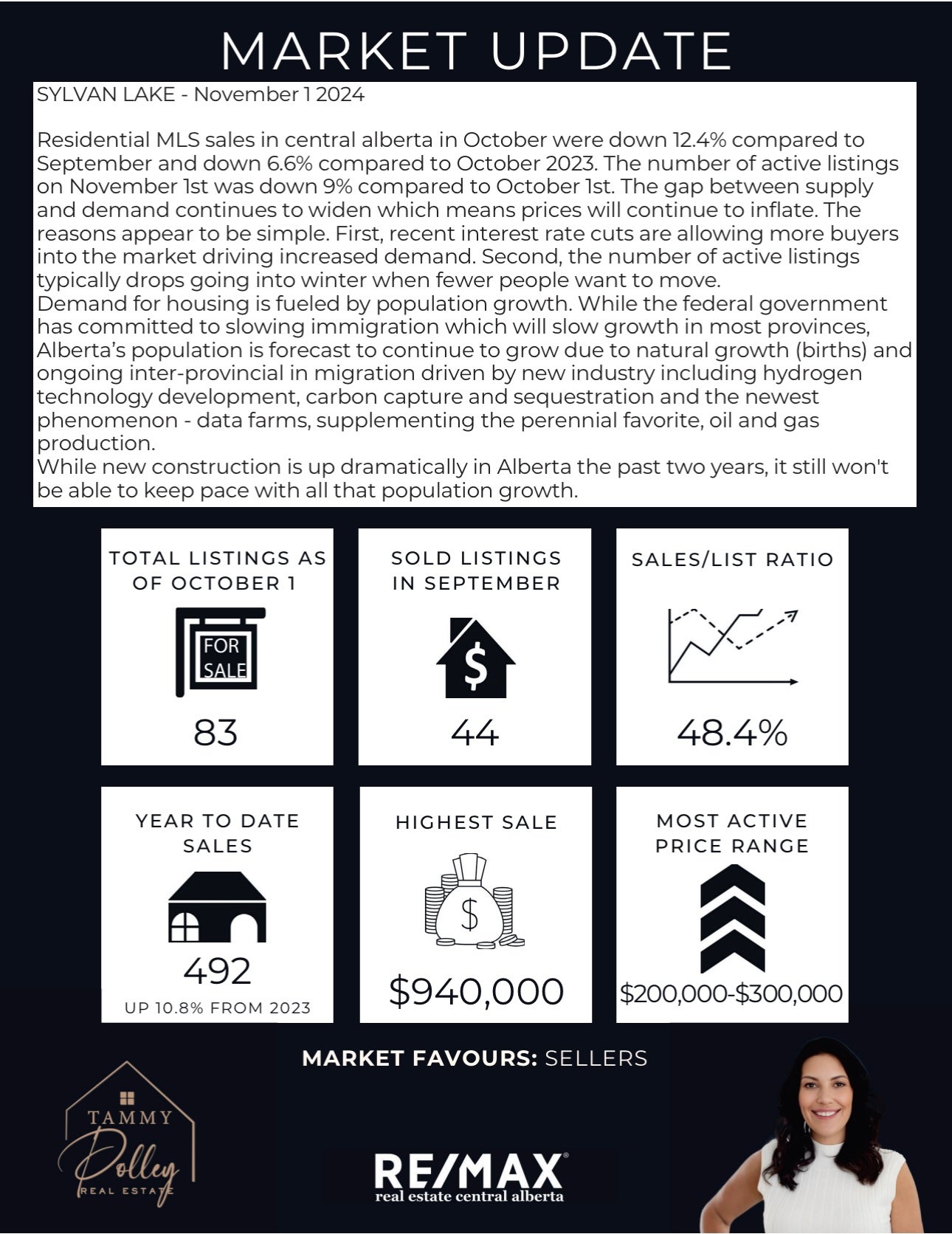
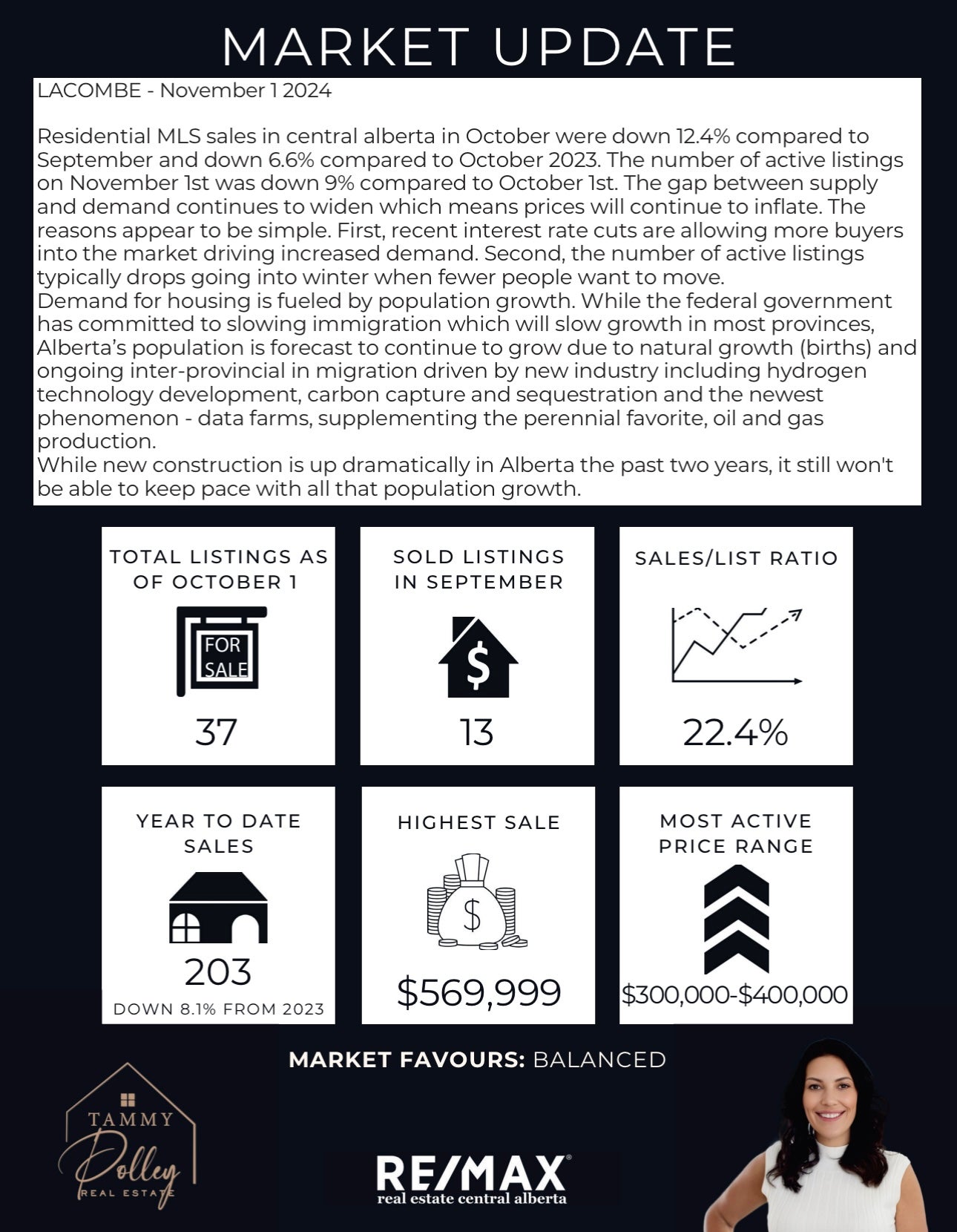
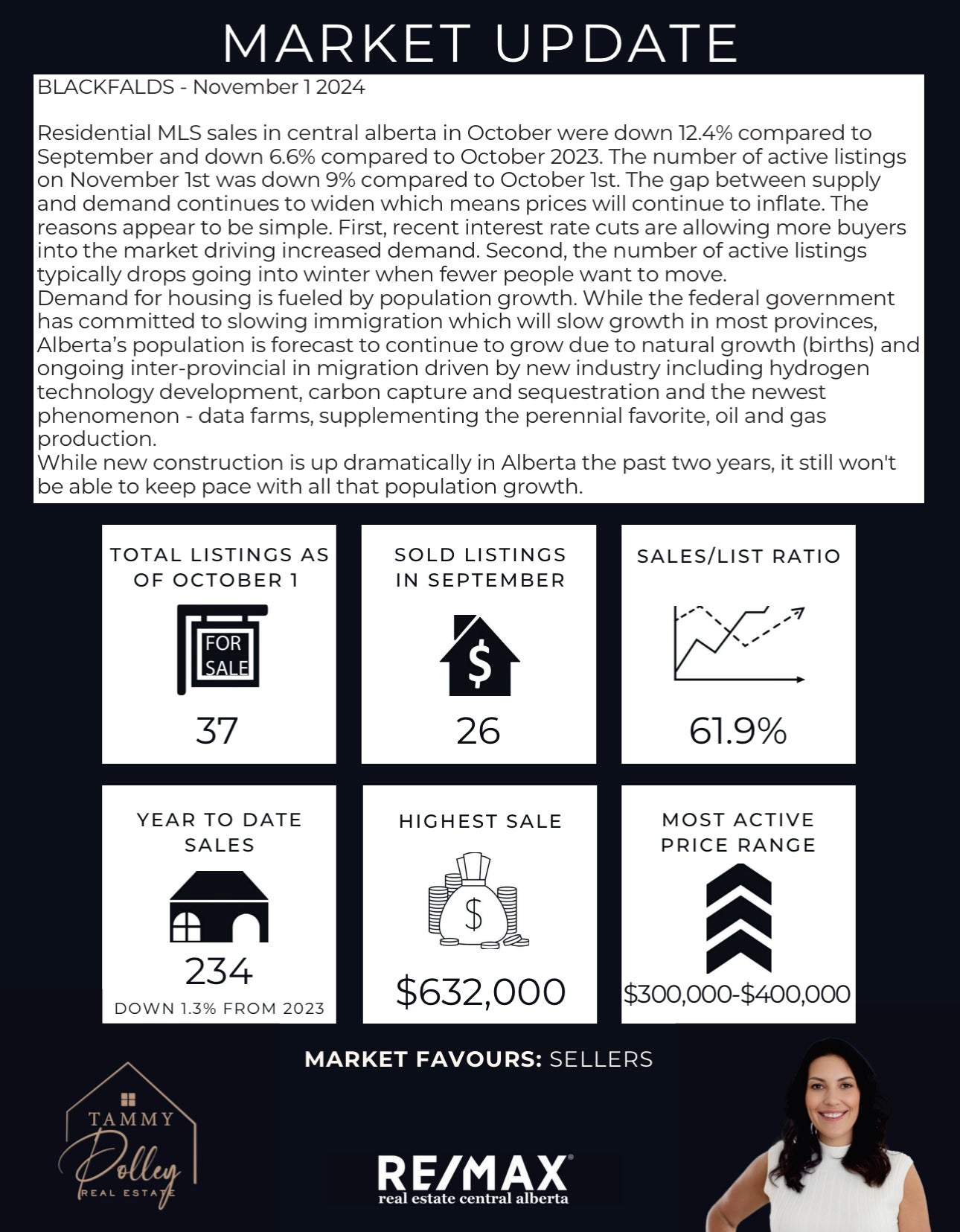
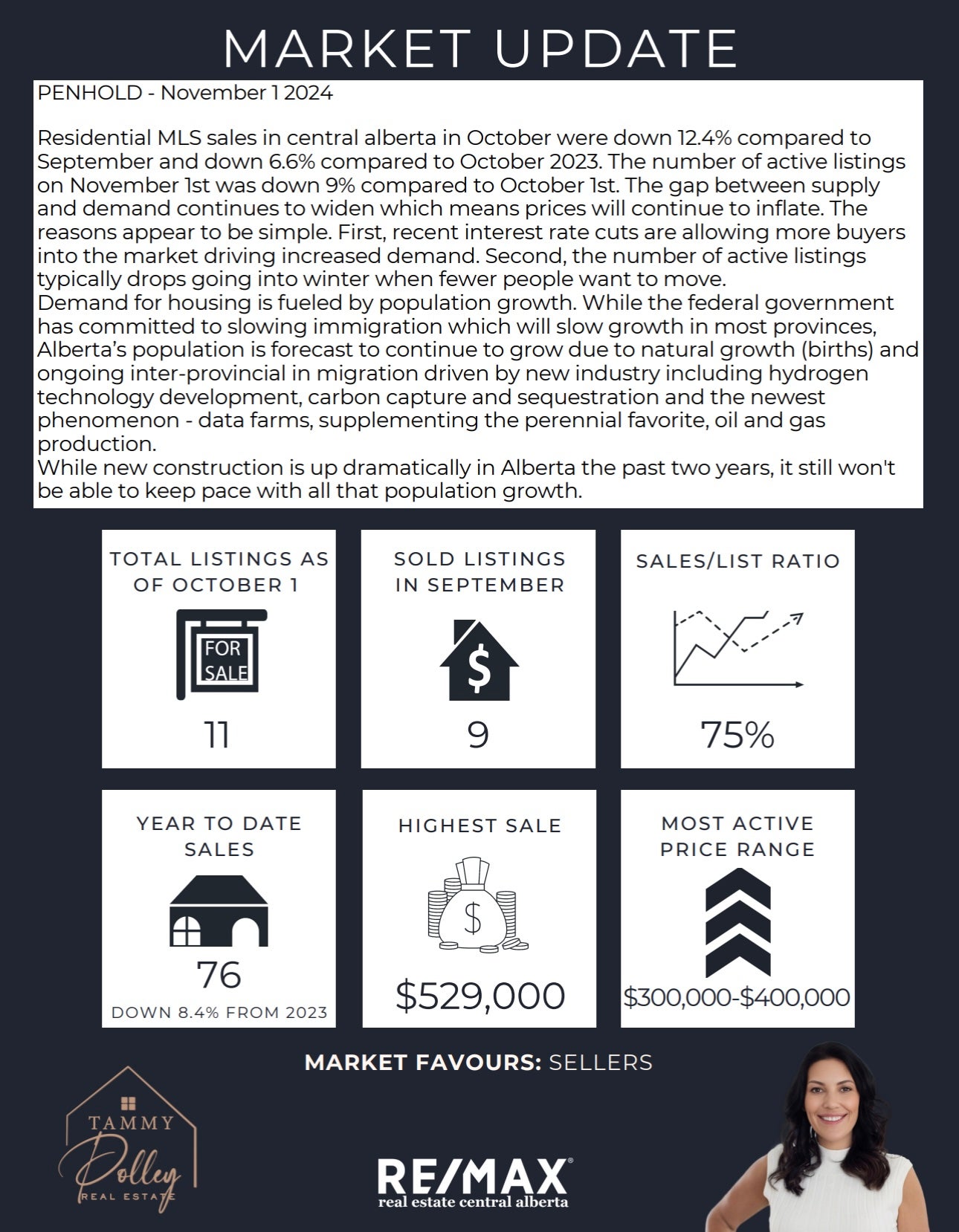
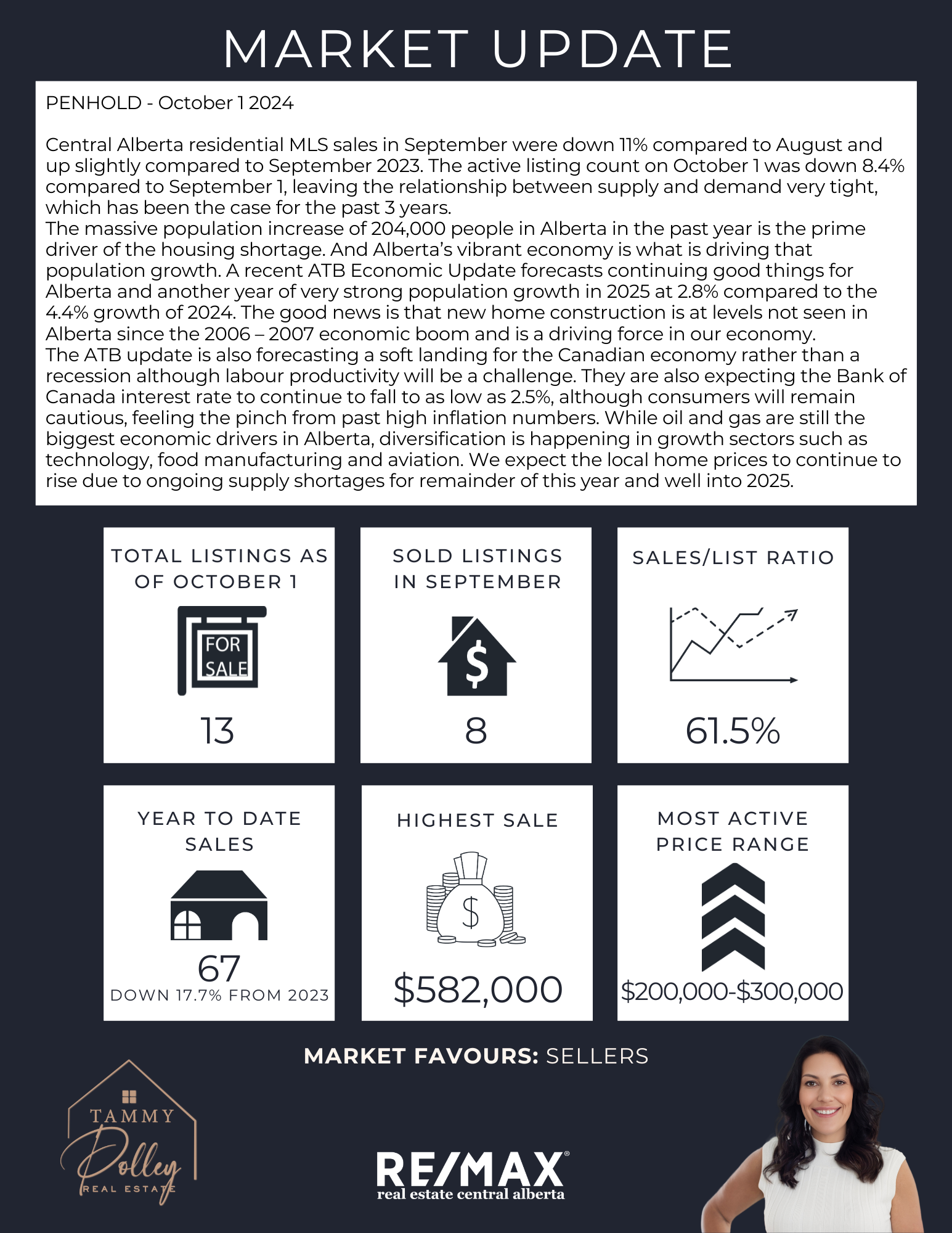
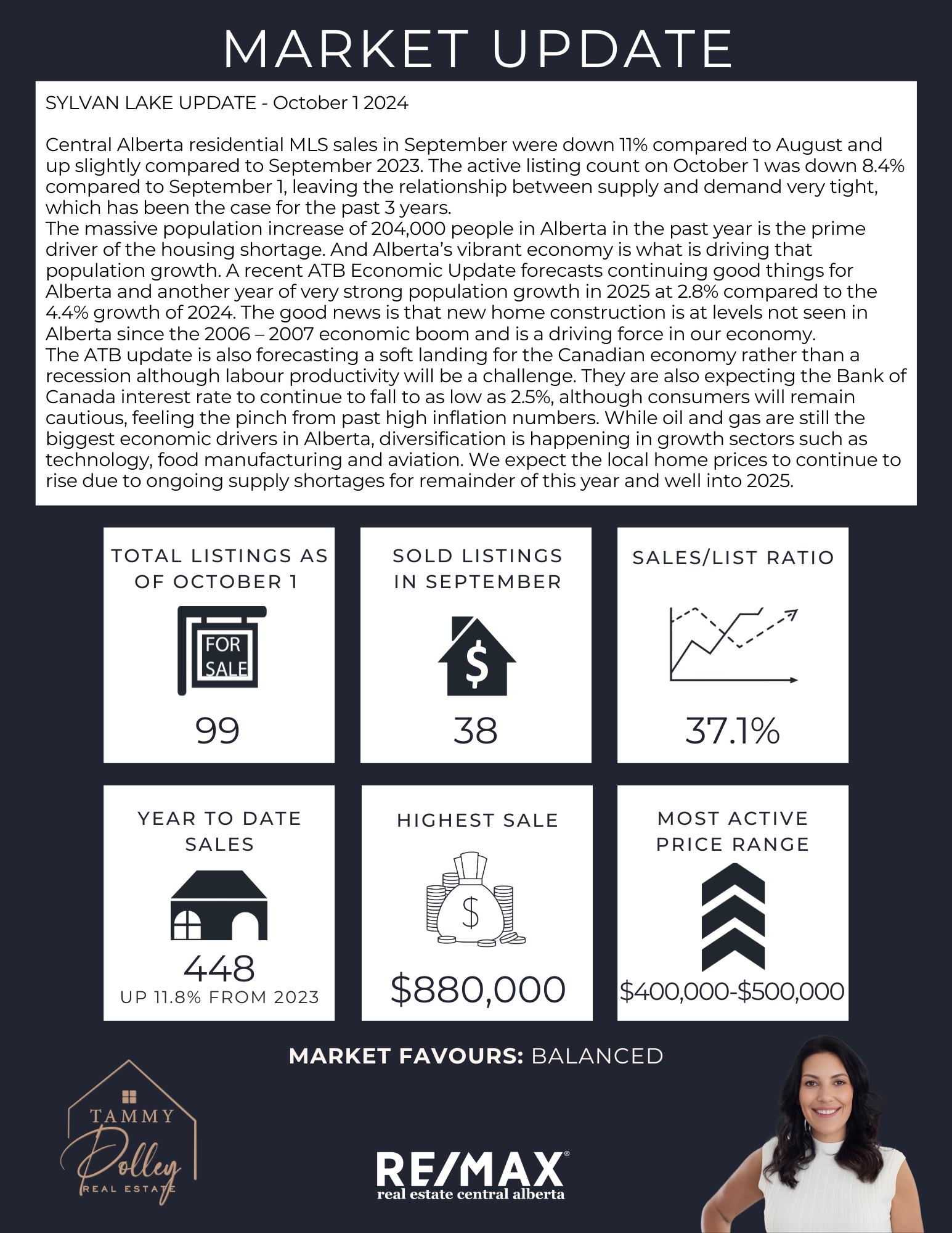
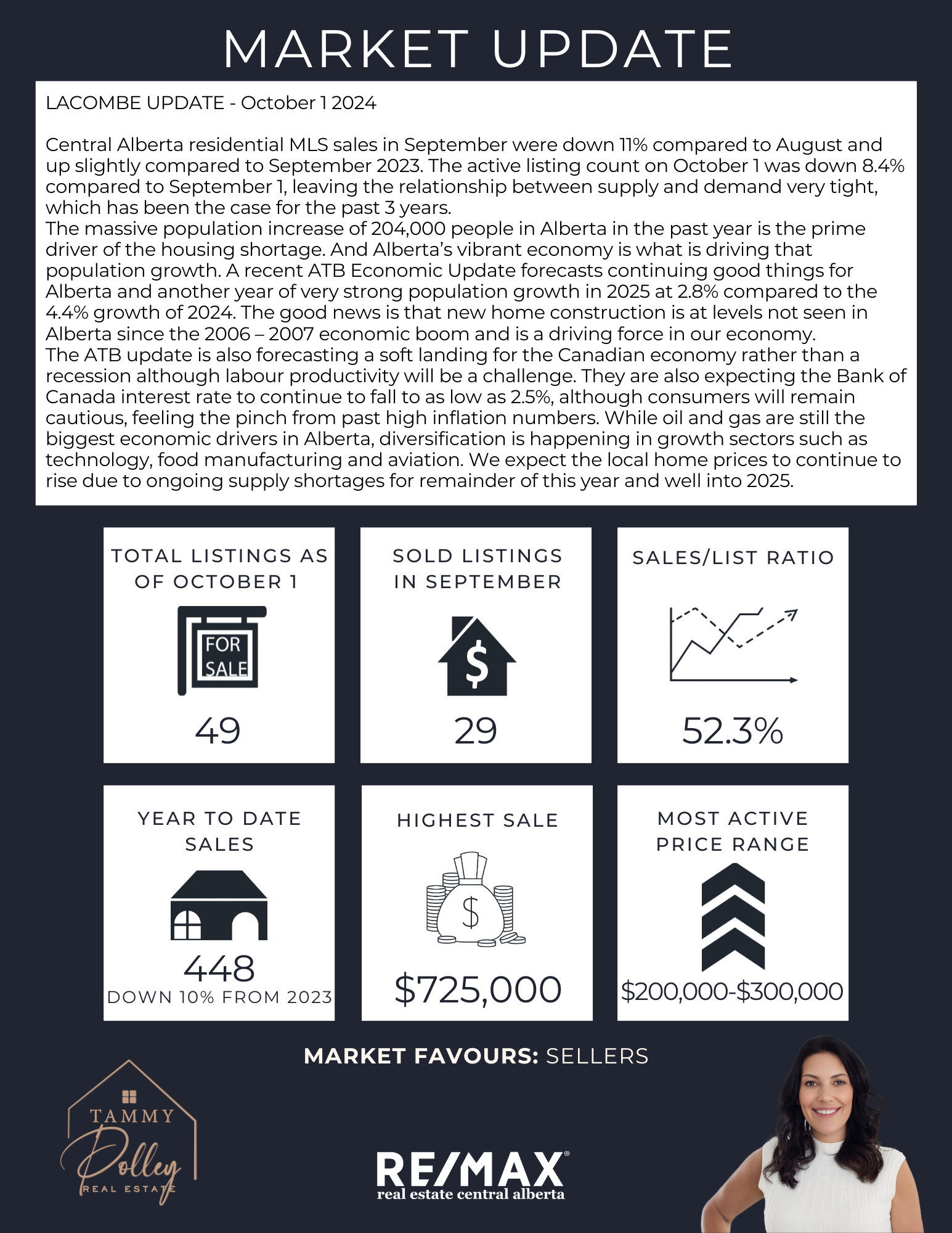
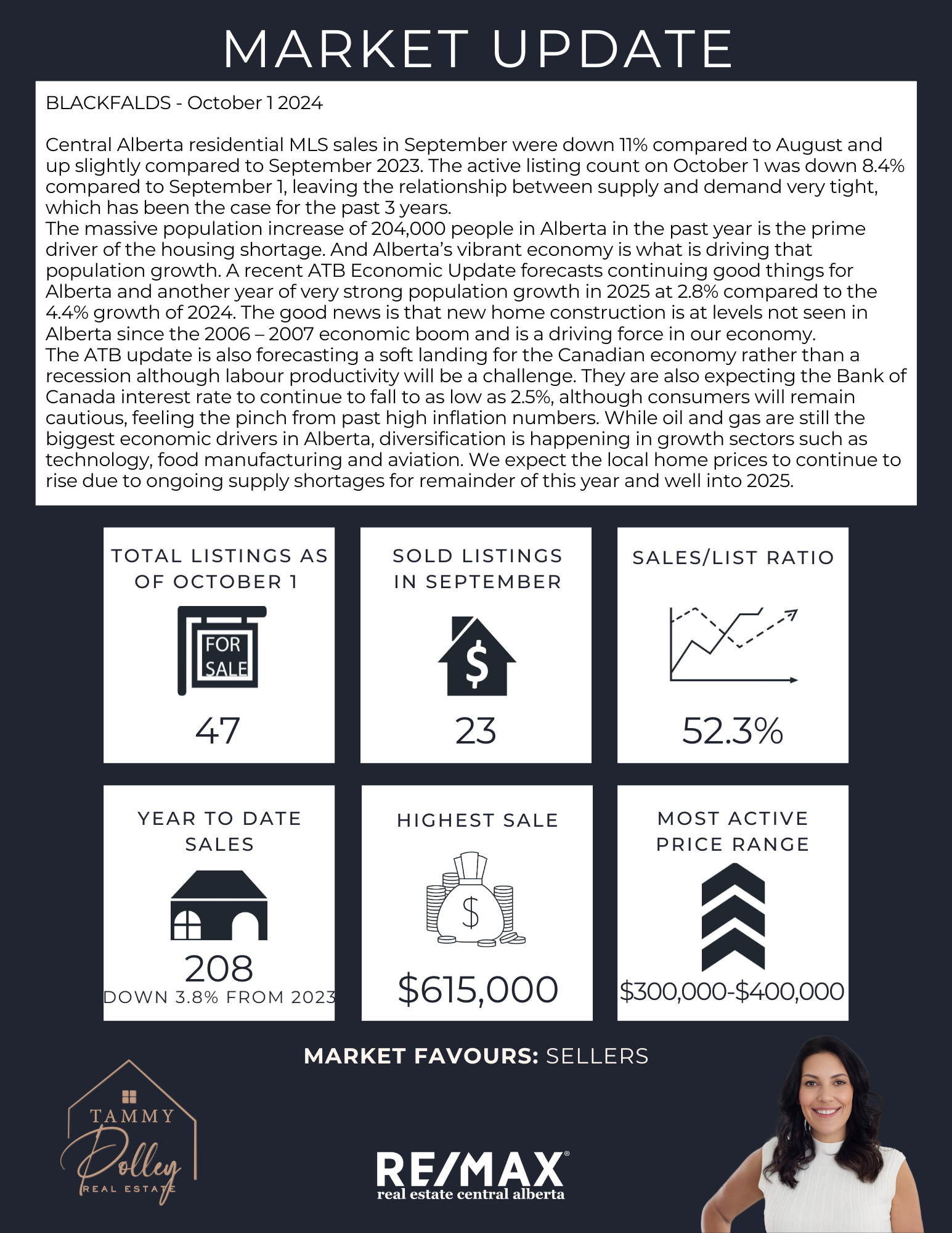
Conditions still vary from one community to the next. Red Deer, Lacombe, Penhold and Innisfail continue to favor sellers, with half or more of the homes on the market in June finding a buyer. Sylvan Lake, Blackfalds, Ponoka and Rocky Mountain House are balanced, while Three Hills and Clearwater County, where acreages and recreational properties make up much of the inventory, favor buyers. Year-to-date sales are modestly behind last year in most communities, but well-priced homes are still selling quickly.
The bigger story may be Alberta's economic outlook. On July 2, the Prime Minister and the Premier jointly announced Alberta's formal proposal for a new million-barrel-per-day oil pipeline to the B.C. coast, along with an agreement to launch the Pathways carbon capture project — initiatives estimated to create roughly 175,000 jobs. The same day, a $4.6-billion power plant was approved to supply one of the many large AI data centers planned across Alberta, including one announced for Olds here in Central Alberta. These projects still face approvals and years of construction, but they signal major investment, employment and population growth ahead —all of which supports long-term housing demand in our region.










RE/MAX real estate central alberta
4914 50 Avenue #1 Sylvan Lake, Alberta T4S 1C9